Igor IVANKO / AFP
Denmark is preparing to ban the public broadcasting of the Islamic call to prayer, with the country’s left-wing Social Democratic government arguing that the practice has no place in Danish public life.
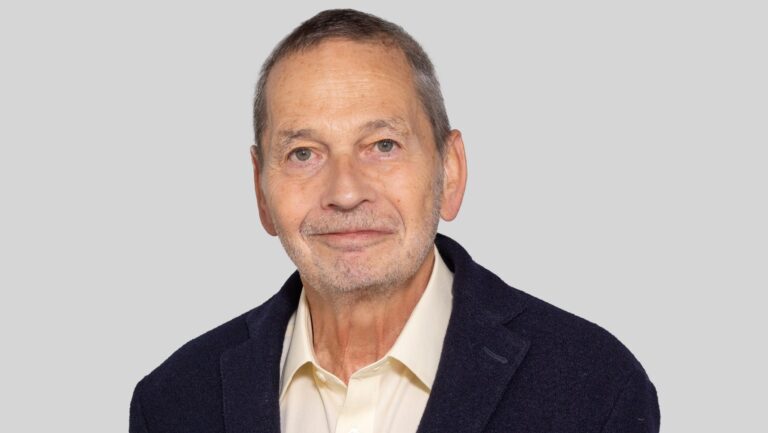
Immigration Minister Morten Bødskov is leading efforts to introduce a nationwide ban on broadcasting the Muslim call to prayer (adhan) from mosques and minarets. The move comes after Bødskov argued that the gradual “Islamisation” of Denmark was taking up too much public space.
“The call to prayer should not be heard over Danish rooftops. It has no place in Denmark, and you shouldn’t be in any doubt whether you’ve ended up in a suburb of Islamabad when you walk around Denmark,” Bødskov told various news outlets.
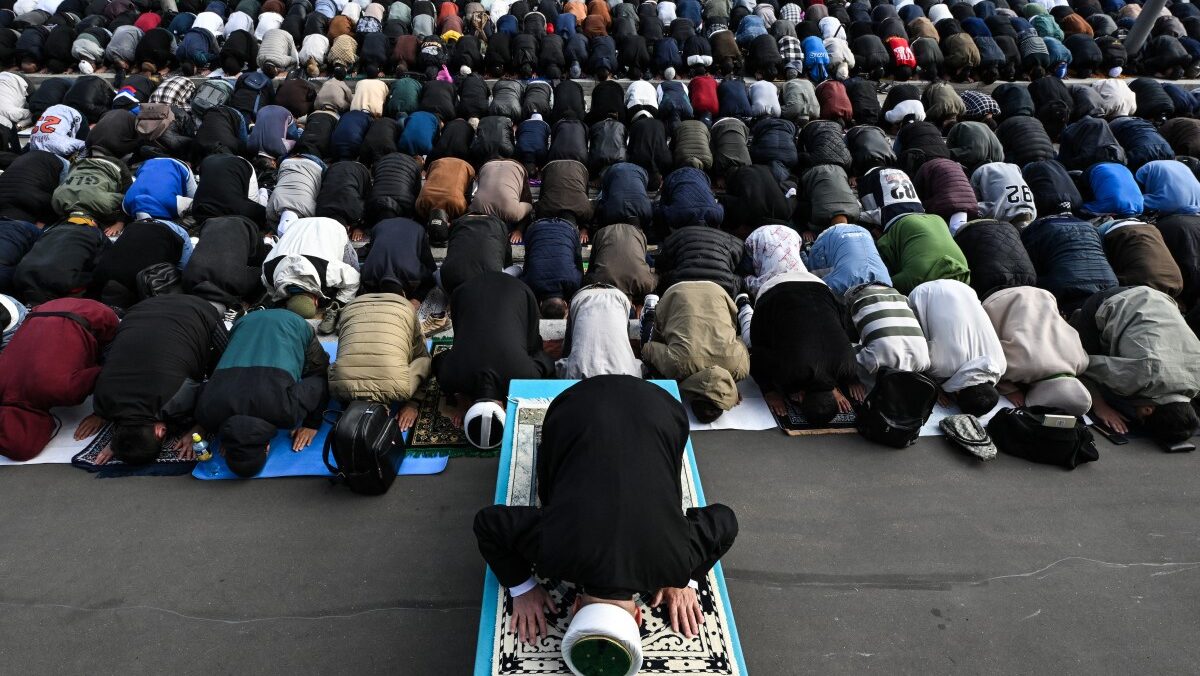
The minister’s comments reflect concerns in Denmark that the public broadcasting of the adhan represents more than a simple religious practice. The adhan is performed five times each day and is intended to summon Muslims to prayer. Critics argue that broadcasting it over loudspeakers imposes a religious message on the wider public, including those who do not belong to the faith.
The controversy is further intensified by the meaning of the words being broadcast. The adhan can be translated as “God is great, there is no God but Allah. Muhammad is the messenger of Allah. Come to prayer.” For opponents, the wording goes beyond a simple call to worship by publicly proclaiming Islam’s religious claims.
The proposal continues Denmark’s long-standing approach of pursuing some of Europe’s toughest immigration and integration policies under successive Social Democratic governments.
This is the third time a Social Democratic minister has sought to restrict the practice, following similar efforts in 2020 and 2025. The renewed push shows the issue has remained politically contentious despite two earlier attempts to introduce a nationwide ban.
Some municipalities already restrict the practice. Cities such as Copenhagen limit the broadcasting of the call to prayer through local noise regulations. However, the government now wants to establish a broader national policy.
The proposal is likely to face legal challenges. Denmark guarantees freedom of religion, meaning lawmakers will have to navigate constitutional and legal protections before implementing any ban. Nevertheless, Danish authorities already make exceptions in certain circumstances, including restrictions on anti-democratic preaching and funding from prohibited organizations.