A regional council in Germany is considering revoking a prestigious cultural honour awarded to a veteran bookseller and publisher after criticism emerged over his affiliation with the right-wing Alternative für Deutschland (AfD) party.
Seventy-five-year-old Michael Genniges received the Silver Medal of Honour from the Upper Franconia local government in May in recognition of “special services to cultural life and social dialogue” in the region. He was also praised for his commitment to combating antisemitism.
However, the honour has become the subject of growing controversy because Genniges is an AfD member and served until earlier this year as the party’s parliamentary group leader in the Bamberg district council.
Although this information was fully known by the presenters of the award, they only started to consider revoking it after the far-left organisation Alliance Against Right-Wing Extremism called on Upper Franconia’s district assembly to do so.
The organisation’s chairman, Stephan Doll, described the decision to honour an active AfD politician as a “serious mistake” that contributes to the normalisation of a “far-right” and “ethnonationalist” party.
Doll rejected suggestions that Genniges’s cultural and voluntary work could be considered separately from his political role, calling such reasoning a “fatal historical misjudgement.”
The award had originally been supported by a broad majority in the CSU-dominated district assembly in November 2025, including council president Henry Schramm of the centre-right Christian Social Union (CSU). Schramm personally delivered the medal to Genniges during a ceremony at Thurnau Castle.
Following the backlash, Schramm expressed regret that the decision had sparked such an intense public debate and said honours can be revoked and the matter would be reviewed carefully.
The assembly is expected to vote in July on whether to withdraw the medal.
The debate reflects a broader tendency among Germany’s established parties to marginalise members and supporters of the AfD regardless of their individual achievements.
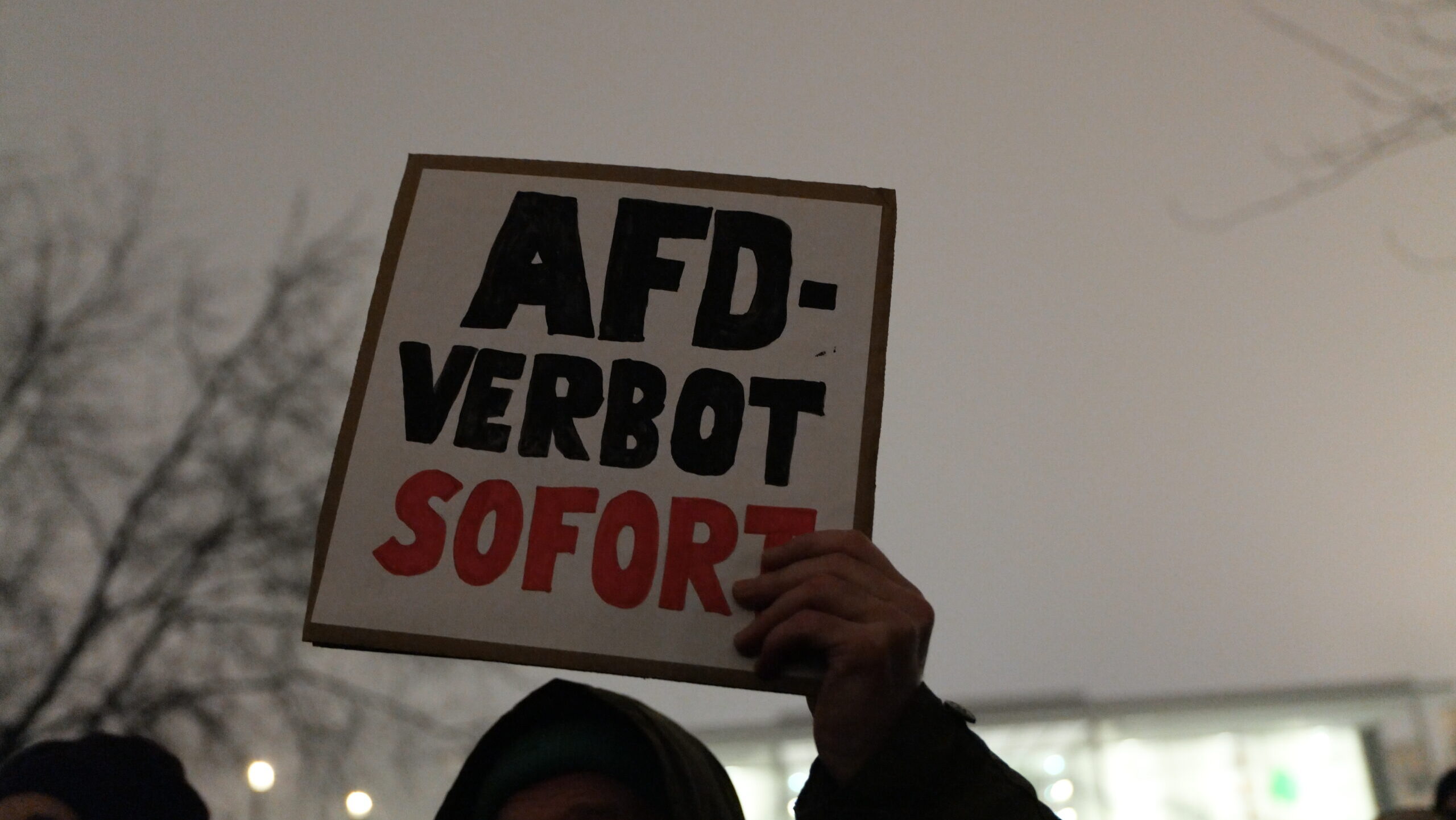
The AfD’s growing electoral success has unsettled mainstream political parties, which have chosen to impose a cordon sanitaire against the party instead of debating it.
Recent opinion polls have placed the AfD at 29%, making it the strongest political force in the country, as its positions on immigration, cultural issues, and energy policy resonate with a significant portion of the electorate.
In a statement published on X, the AfD’s Bamberg branch said that criticism surrounding Michael Genniges
is another attempt to exclude political opponents from public life. Ironically, it’s precisely those who constantly speak of diversity, democracy, and tolerance who apparently cannot accept that people have different political convictions.
🏅 Verdienste bleiben Verdienste. Punkt!
— AfD Bamberg (@AfDBamberg) June 10, 2026
Die Kritik an der Ehrung von Michael Genniges ist ein weiterer Versuch, politische Gegner aus dem öffentlichen Leben auszugrenzen. Ausgerechnet diejenigen, die ständig von Vielfalt, Demokratie und Toleranz sprechen, können offenbar nicht… pic.twitter.com/bs2oiO0Aq0
The party said that the award recognised decades of cultural, charitable, and social engagement rather than party membership, and that Genniges had made a lasting contribution to the cultural life of Bamberg and Upper Franconia.