The Greek Parliament took an unusual step in recent European politics on Wednesday: by an overwhelming majority, it voted to lift the immunity of 13 conservative MPs under investigation by the European Public Prosecutor’s Office (EPPO) for their alleged involvement in a scheme to defraud EU agricultural funds.
From a legal standpoint, the decision means there are sufficient indications to proceed with a criminal investigation without the institutional shield that protects elected officials.
The facts are clear. The EPPO initially requested the lifting of the immunity of 11 MPs over alleged offences against the financial interests of the European Union: incitement to breach of trust, computer fraud, and the issuance of false certificates.
It later extended the request to two additional MPs over a suspected offence of breach of duty. The Greek Parliament—including members of the ruling New Democracy party itself—voted in favour of allowing the investigation to move forward.
Among those affected are prominent figures in the Greek political system: former ministers such as Kostas Tsiaras (agriculture), Yannis Kefaloyannis (civil protection), and Deputy Health Minister Dimitris Vartzopulos. Kostas Skrekas also resigned as the party’s secretary general after his name appeared in the case file. The reaction was swift, but not sufficient to contain the political damage.
All the MPs under investigation defended their innocence during the parliamentary debate, arguing that they had never requested “any illegal act” from OPEKEPE, the state agency responsible for distributing EU agricultural subsidies.
However, the investigation points in a different direction. Since last year, Greek authorities have arrested dozens of individuals on charges of illegally obtaining millions in subsidies by declaring non-existent land or livestock.
The key issue is not only the fraud itself but the alleged political involvement. According to reports in the Greek media, several MPs were recorded in 2021 pressuring OPEKEPE officials to expedite payments to beneficiaries who did not meet the required criteria. In one such conversation, Skrekas can be heard urging that aid be handed “in cash” to a supposed farmer outside the official procedure.
Greek press estimates suggest that between €200 million and €230 million may have been improperly disbursed between 2019 and 2024, pointing to what could be a structured system of diverting EU funds.
At an institutional level, the case directly affects one of the parties within the European People’s Party (EPP), the EU’s main political family. It comes at a time when Brussels has made the defence of the ‘rule of law’ one of its central political tools against governments deemed problematic.
For years, the European Commission and Parliament have exerted sustained pressure on countries such as Hungary and Poland over issues related to judicial independence and corruption. Yet a case of this magnitude within a party aligned with the core of European power has barely made front-page headlines across the continent.
The comparison is inevitable, especially given how clearly the bar has been set. Smaller-scale episodes in other member states have received far more intense coverage, particularly when they involved political figures seen as ‘uncomfortable’ for the Brussels consensus. The contrast with the media treatment of cases such as that of Marine Le Pen is difficult to ignore.
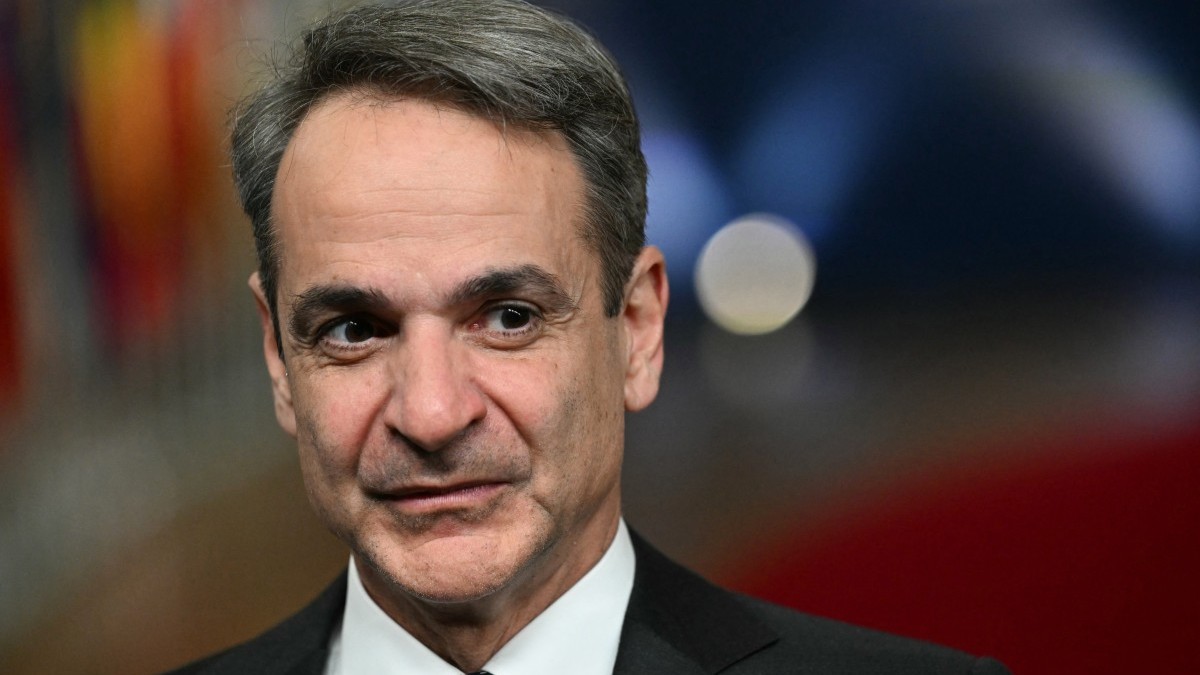
The government of Kyriakos Mitsotakis has sought to contain the crisis. It backed the lifting of immunity and has insisted that the legislature will run its full course until elections next year. The opposition, however, has called for early elections, accusing the government of turning public bodies into a “partisan money-printing machine.”
In the short term, the 13 MPs will retain their seats. They will only lose their parliamentary status if they are formally sent to trial. In that scenario, New Democracy—holding an absolute majority—would be able to replace them without altering the balance of power in the chamber.
But the real damage lies in what appears to be a structural tension within the EU itself. The creation of the European Public Prosecutor’s Office was presented as a decisive step in protecting the Union’s financial interests. In this case, EPPO is doing its job. Yet the political environment in which the investigation unfolds remains shaped by power dynamics and narrative control.