The Renew Europe parliamentary group has asked European Parliament President Roberta Metsola to consider possible sanctions against two Members of the European Conservatives and Reformists (ECR) group over comments posted on social media following a recent vote on policies concerning the return of irregular migrants.
The request comes after a week of heightened political tensions in Brussels. The European Parliament approved new measures aimed at strengthening return mechanisms, an issue that continues to divide the chamber’s political groups.
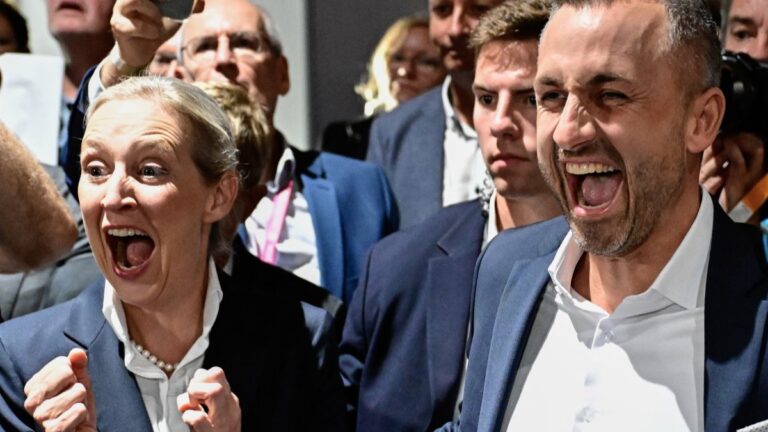
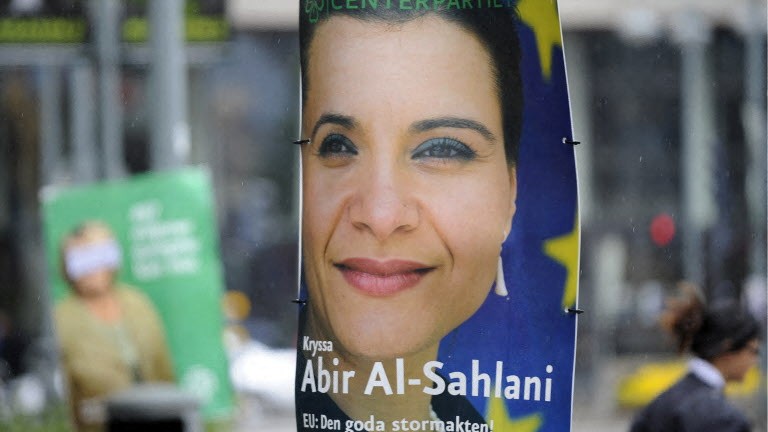
Following the vote, several conservative MEPs were recorded chanting “send them back” in the hemicycle. Shortly afterwards, Swedish Renew MEP Abir Al-Sahlani, who was born in Iraq, posted a video on social media saying that she had never felt so unsafe inside the European Parliament.
The reaction of some conservative lawmakers sparked a fresh controversy.
Danish MEP Kristoffer Storm responded to the video by writing: “Abir Al-Sahlani should go home.” Meanwhile, Finnish MEP Sebastian Tynkkynen posted another comment directed at the Swedish lawmaker: “cry more.” Both remarks are commonplace on social media, regardless of political affiliation.
The two messages, however, prompted a swift response from Renew Europe. Its president, Valérie Hayer, sent a letter to Metsola calling for a formal investigation and possible disciplinary measures. According to the liberal leader, some of the comments directed at Al-Sahlani were racist in nature and should be sanctioned.
The Swedish MEP has also indicated that she is considering possible legal action. The lawmakers concerned reject that interpretation–and the core of the dispute revolves precisely around interpretation.
It appears to be rather obvious that the comments at the centre of the complaint do not contain threats, calls for violence, or explicit references to the MEP’s race or ethnic background. The controversy instead focuses on whether certain expressions can be considered discriminatory because of the context in which they were made.
Critics argue that such an interpretation requires stretching both the factual and legal context well beyond the actual content of the remarks in order to support that conclusion.