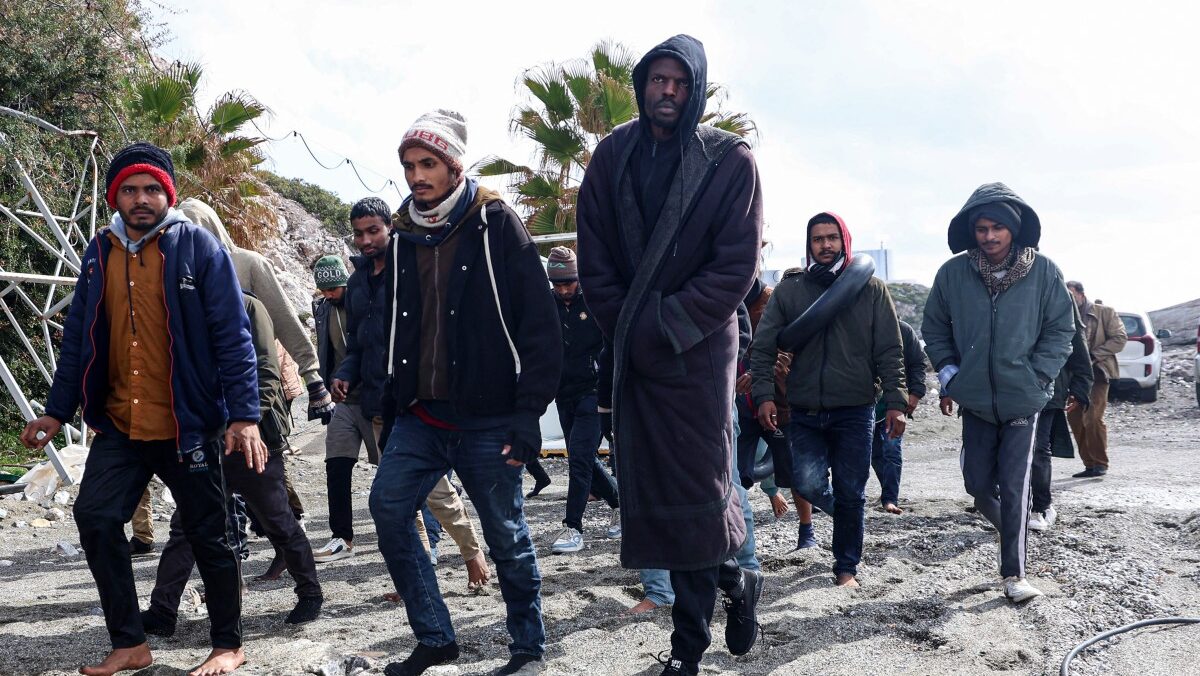
European governments are already drawing up plans to send rejected asylum seekers to deportation centres in Africa and Central Asia after Brussels last week approved a major overhaul of EU migration rules. The move marks a significant shift for an EU that spent years resisting many of the same ideas now being promoted by member states.
The first of these offshore deportation centers—known in Brussels jargon as “return hubs”—could soon be built in Rwanda and Uzbekistan, according to diplomats who spoke to Politico.
The development marks a remarkable shift in European migration policy. Just a few years ago, Denmark’s plan to send asylum seekers to Rwanda was fiercely criticised across Europe, while Italy’s attempt to process migrants in Albania became the target of repeated legal challenges. Today, governments across the EU are exploring similar arrangements for rejected asylum seekers.
At this stage, the member states reportedly in talks with the Rwandan and Uzbek governments include Denmark, Austria, Greece, Germany, and the Netherlands, but others may soon join them as well. Their goal is to have these facilities up and running as early as next year.
“Our goal is to conclude the first agreements for the creation of these structures in 2026, so that they are operational from 2027,” Greek PM Kyriakos Mitsotakis explained.
Although the regulation envisages member states funding such facilities themselves through bilateral agreements, 19 governments have already urged Brussels to help finance the project through the EU budget.
The Commission has yet to respond. With member states already resisting Brussels’ proposed €2 trillion budget for 2028–2034, finding additional money for return hubs may prove politically difficult.
The outgoing Cypriot EU Council presidency explained that the “general idea” is to set up deportation centers mainly in Africa and Central Asia, but “not too close to European borders.”
Rwanda and Uzbekistan are not the only options under consideration. Uganda, Ghana, Senegal, Ethiopia, and Kazakhstan have also reportedly been discussed as potential hosts. North African countries such as Tunisia, Libya, and Egypt have reportedly been ruled out due to their proximity to Europe and remain major transit routes for illegal immigration.
Whether the return hubs succeed remains uncertain. But their rapid emergence demonstrates how dramatically the migration debate has shifted in Europe. Ideas that were dismissed as politically unacceptable only a few years ago are now being actively pursued by governments across the continent as pressure grows to increase deportations and reduce illegal migration.