The Romanian Ministry of Finance released a staggering report on May 13th, detailing a massive, repetitive flow of cash across the nation’s borders during 2024 and 2025, Romanian national news agency Agerpres said.
None of the persons who led the National Office for the Prevention and Combating of Money Laundering and of the responsible offices of the Romanian Customs Authority during the period in question are in management positions today, having been dismissed during the past months, the report says.
According to the news agency’s report, over €1.7 billion in declared cash transited through Romania, with the vast majority—73%—originating from Ukraine.
The ministry’s revelations paint a picture of a highly professionalized courier system: of the 1,464 declarations made by travelers from Ukraine, a shocking 64% were submitted by just 21 individuals. The findings suggest that the legal provisions and internal rules regarding the control of cash entering or leaving the European Union have been repeatedly broken.
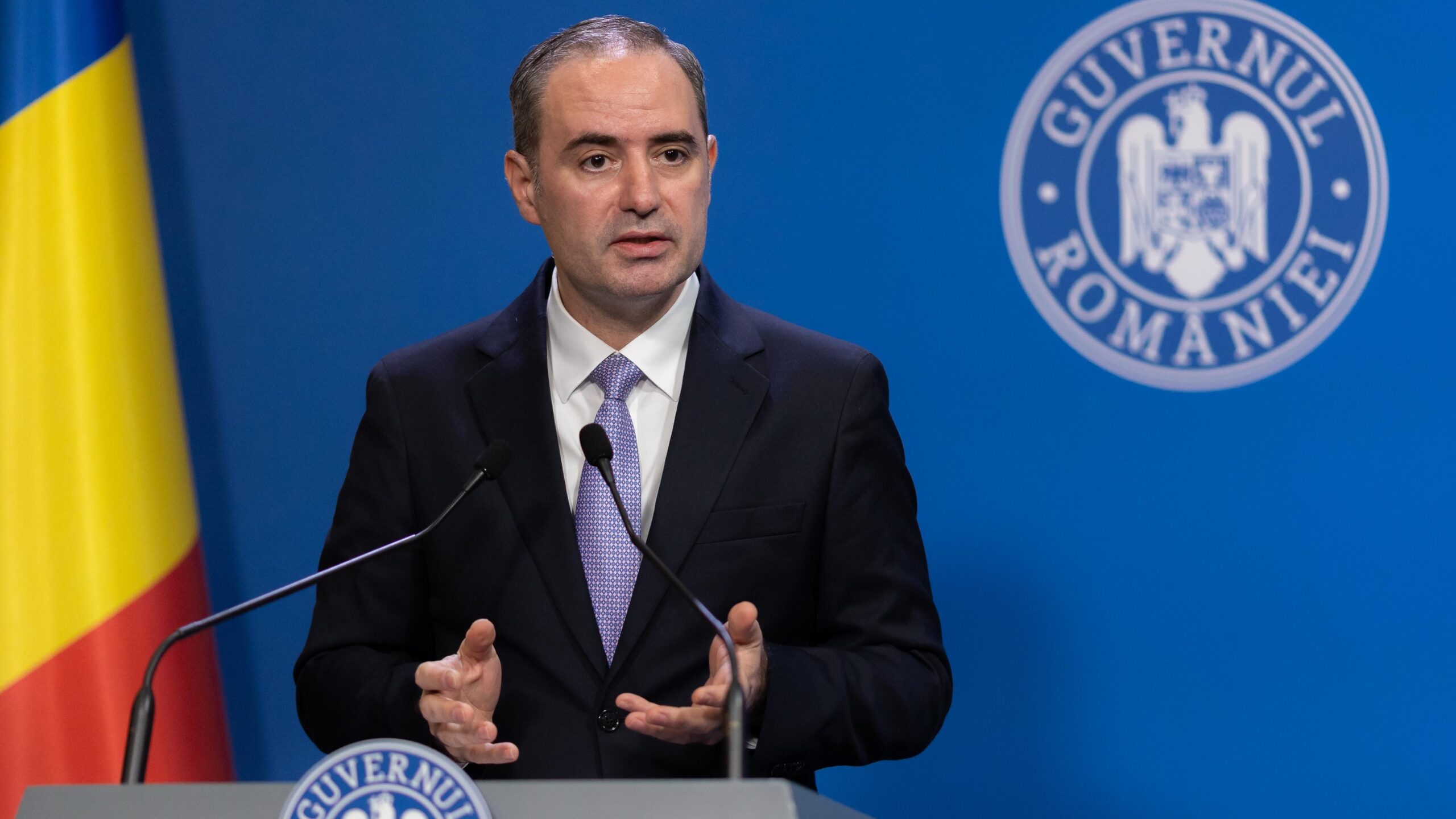
Finance Minister Alexandru Nazare said that the peak of this phenomenon occurred between March and May 2025, reaching nearly €100 million in a single month.
This industrial-scale cash movement through Romania is not an isolated incident; it mirrors a growing crisis of financial oversight across Central Europe. In Austria, a major political dispute has erupted after a parliamentary inquiry by the Freedom Party (FPÖ) revealed that the country has quietly overseen the transport of over €20 billion in cash and valuables to Kyiv over the past four years. In March, the Hungarian authorities intercepted an armoured cash convoy carrying tens of millions of dollars and gold across the country, and detained the Ukrainian nationals who oversaw the transportation. The Hungarian Tax Authority, without any official explanation, handed back the seized assets to Ukraine and the detained individuals were released after April 12th elections that saw the defeat of Viktor Orbán’s conservative government.