Romania’s government faces collapse after the Social Democratic Party (PSD) agreed to back a no-confidence vote alongside the right-wing Alliance for Uniting Romanians (AUR).
The move follows the PSD’s withdrawal from Prime Minister Ilie Bolojan’s ruling coalition last week, a decision that stripped the government of its parliamentary majority and triggered a crisis in Bucharest.
On April 27th, senior figures from both parties said they had secured enough signatures to table a motion of no confidence as early as next week.
The unlikely alliance marks a significant shift in Romania’s political landscape.
The PSD, traditionally aligned with pro-EU forces, had previously ruled out cooperation with AUR, a right-wing nationalist, anti-establishment party that has surged in the polls and now has the support of around 36% of the public.
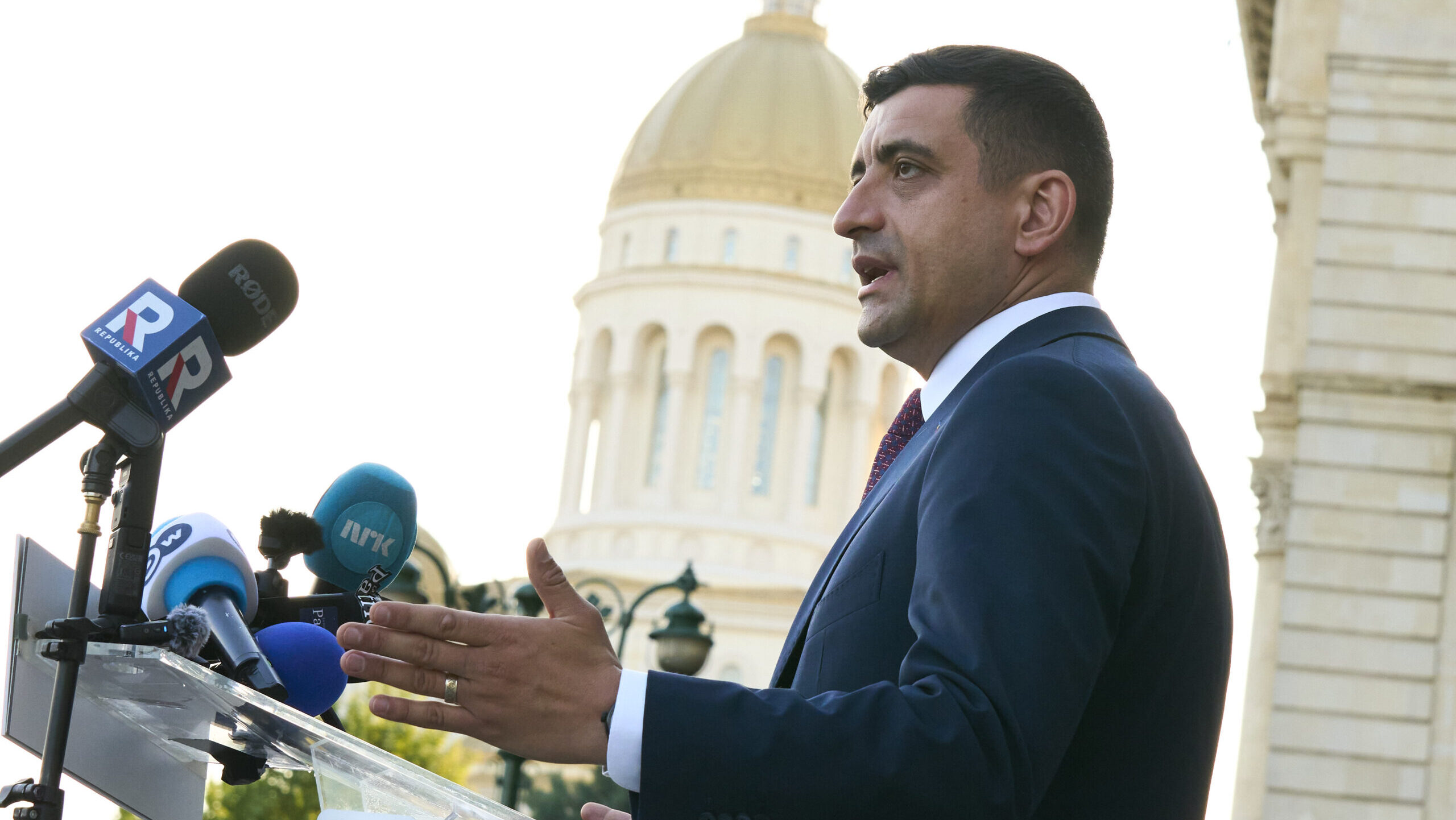
AUR leader George Simion said the party is ready to negotiate with all political actors once the current government is removed.
The parties are divided over economic policy.
Bolojan’s government has pursued austerity measures to cut Romania’s budget deficit—the highest in the European Union—from over 9% of GDP to 6.2% this year. The PSD argues the cuts risk further squeezing living standards amid high inflation.
Romania risks losing more than €10 billion in EU recovery funds if it fails to meet the reform deadline by August. Bolojan said his government must continue the reforms to secure the funding.
European officials warned against cooperation with AUR. Valérie Hayer of the Renew Europe group said mainstream parties should not align with forces “who undermine democracy.” Other lawmakers echoed concerns that such a move could deepen political divisions.
Bolojan criticised the PSD’s actions as “premeditated and irresponsible,” warning it could delay infrastructure projects and weaken public services.
If the government falls, forming a new majority will prove difficult under Romania’s constitutional framework, raising the prospect of prolonged instability or early elections.
A government involving AUR could complicate relations with Brussels, particularly on issues such as migration, cultural policy, and EU integration, where the party has taken a more confrontational stance.