

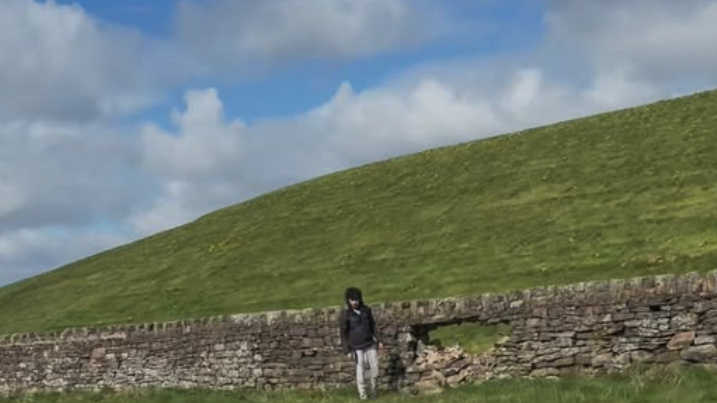
The fool tears down the wall for want of wit to find the gate.
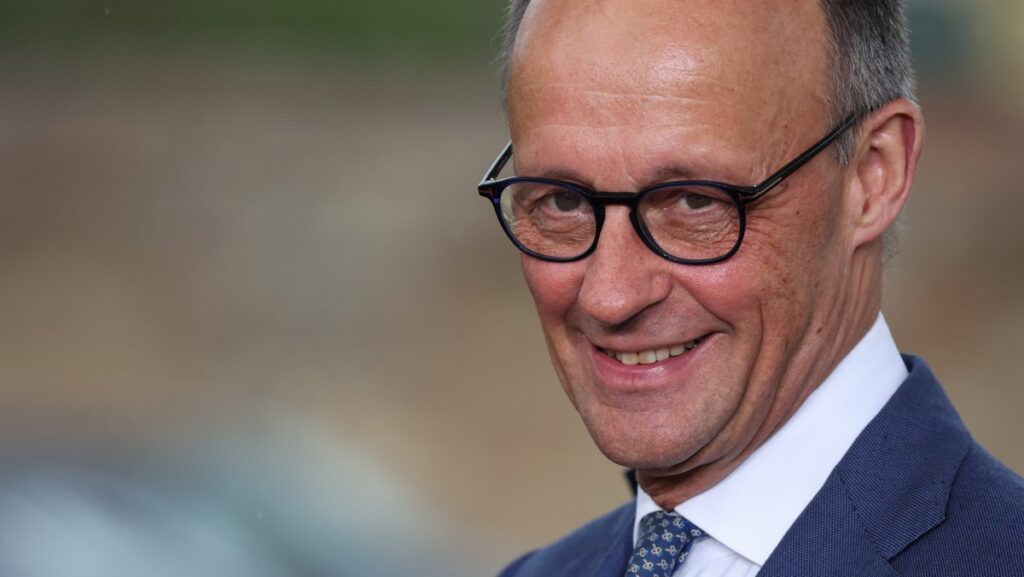
In a democracy, citizens must have the right to express their frustration with those who govern them.

Teresa Gerns, the Council of Europe advocacy director for the Federation of Catholic Family Associations in Europe, will lead a committee examining the barriers women face when trying to balance paid work and motherhood.
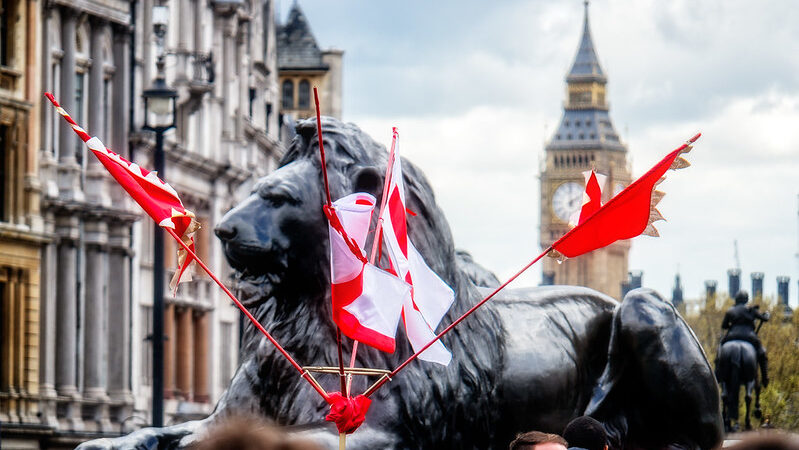
Every April 23rd, as sure as night follows day, the UK commentariat loves to sneer at ordinary English people.
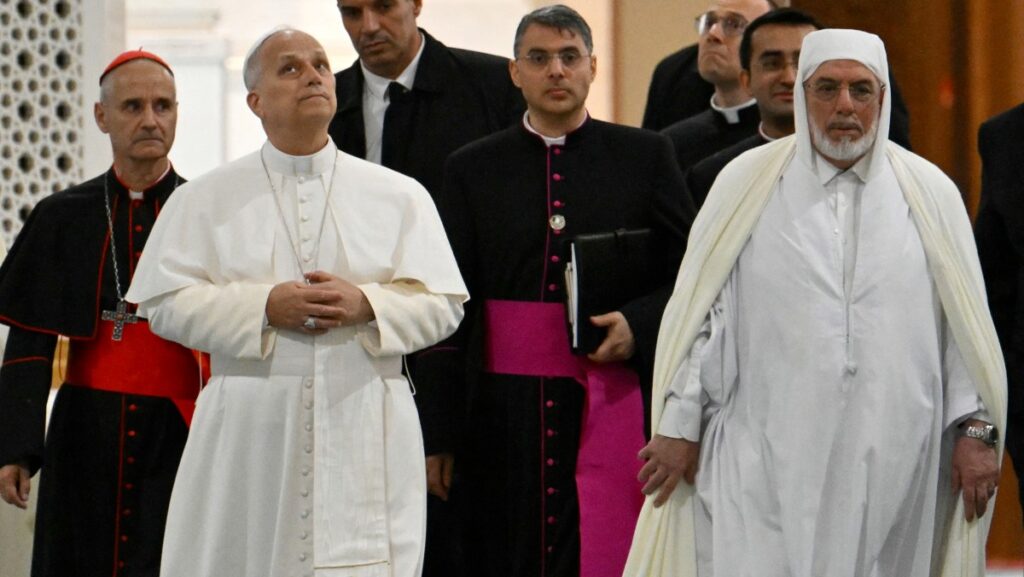
When peace among nations becomes the ultimate end of religion, religions are reduced to geopolitical instruments.
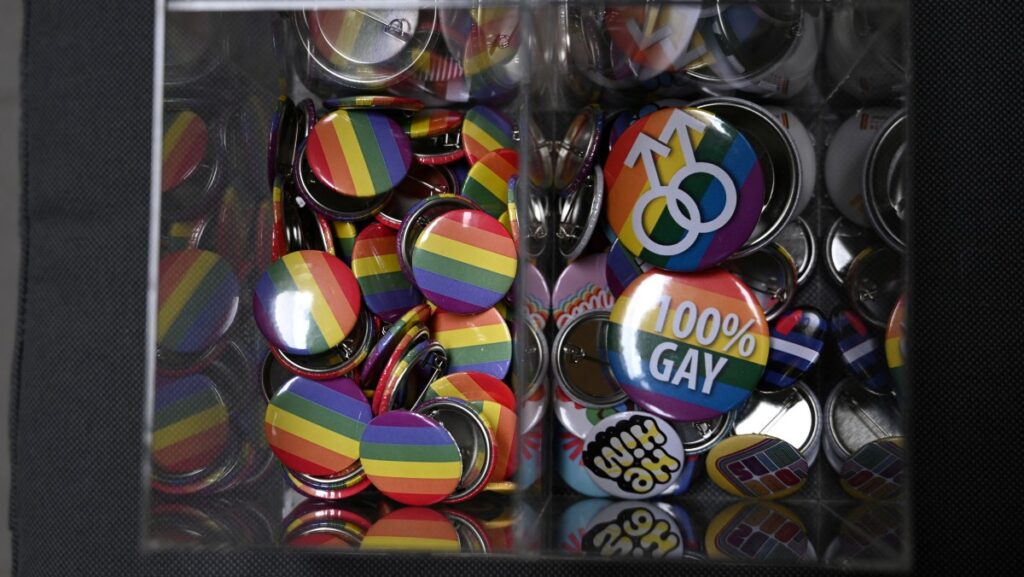
For progressives, ‘liberalism’ now means ‘the compelled acceptance and legal implementation of LGBT ideology.’ To oppose it, conversely, is thus ‘illiberalism.’
Britain doesn’t need to learn any more lessons—it needs the will to act.
Moral vanity is the sin into which we can all too easily fall when our ethical model becomes one of fleeing evil, not imitating goodness.

Seeking to defend the family within the discourse of modern rights is like trying to save Gondor by using the Ring.
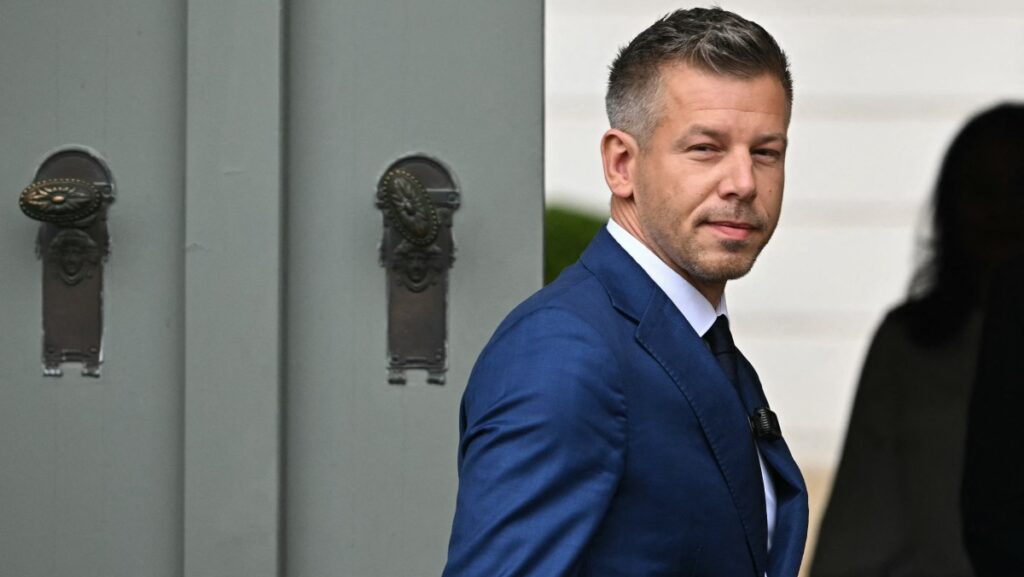
Ultimately, the question is not simply why governments fall but how their opponents win.
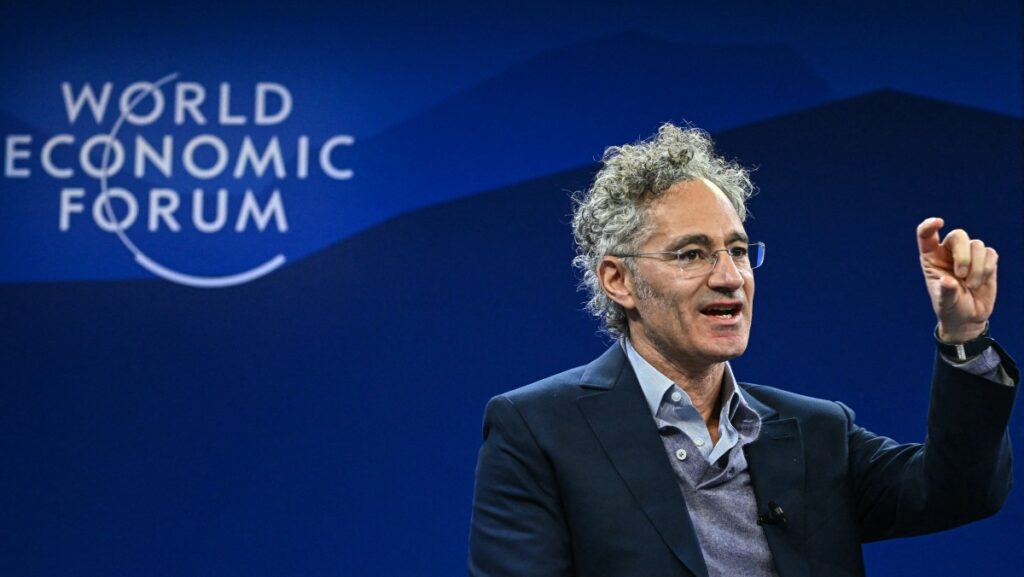
To save the West, we must look to our civilizational roots and embody them in the advances of the future.

In the clash of wills between the White House and the Vatican, it is already clear that the vast majority of Catholics will rather side with their pope than with the president of the United States.
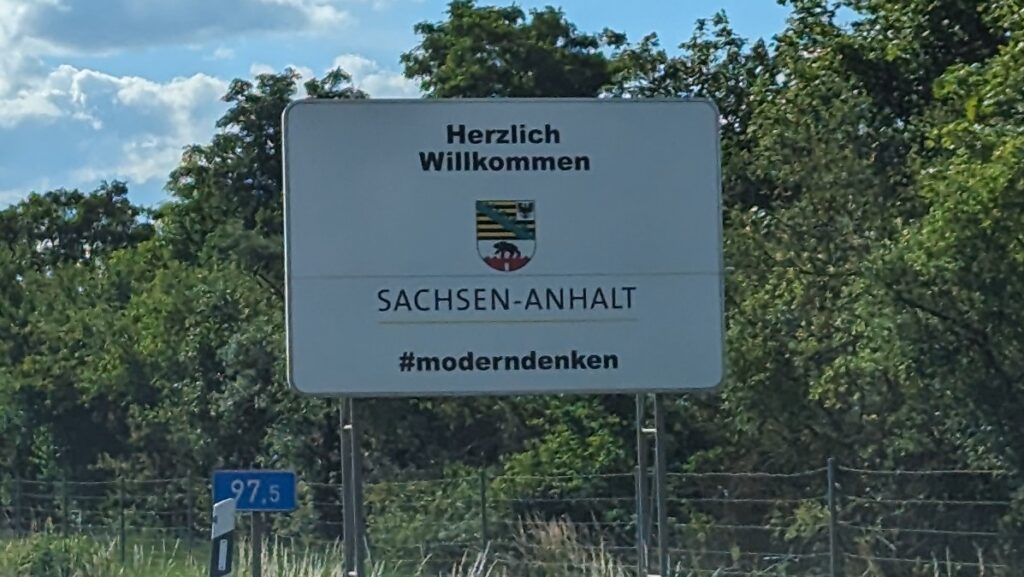
The effort to ‘AfD-proof’ Saxony-Anhalt is only the latest in a series of measures taken over recent months and years to weaken and marginalise the populists.
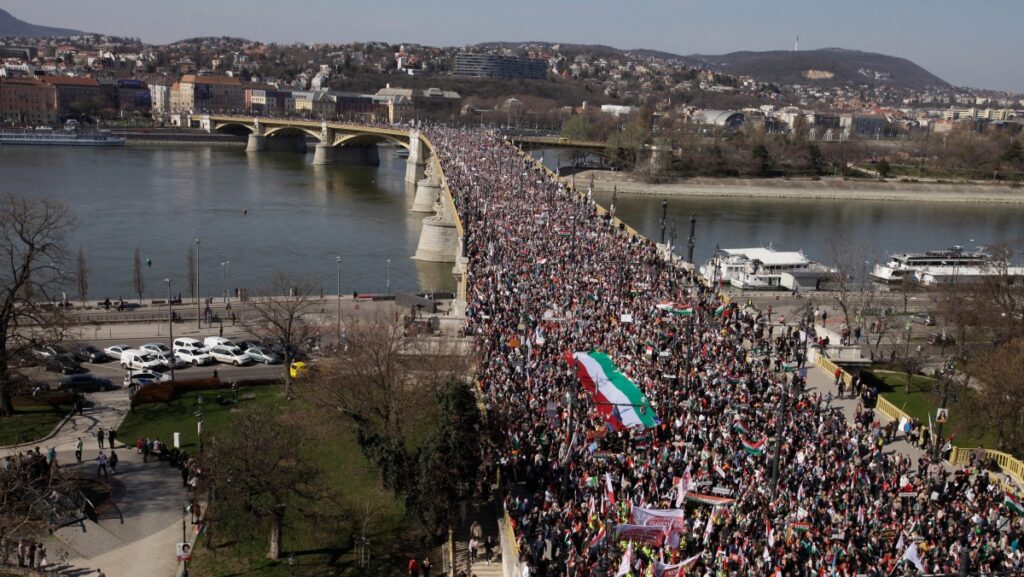
The underlying grievance of Western critics is not a lack of democracy, but rather our refusal to simply nod in agreement with the Brussels consensus.

A civilization without children does not have a future. A civilization that kills its own children does not deserve one.
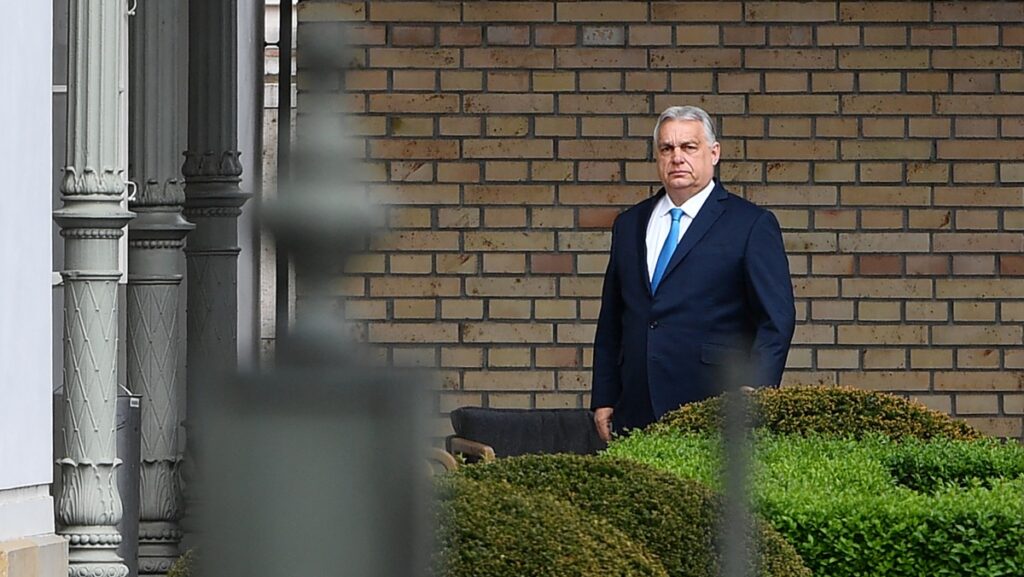
Those who most need Orbán’s policies are no longer in Hungary but across a Europe that von der Leyen’s policies have helped turn into increasingly soulless nations.

Spain’s latest assisted suicide should sober the ardor of ‘right-to-die’ advocates everywhere.

Perfectly legal acts of political opposition to the establishment can lead an individual to suffer real, painful measures of state coercion.
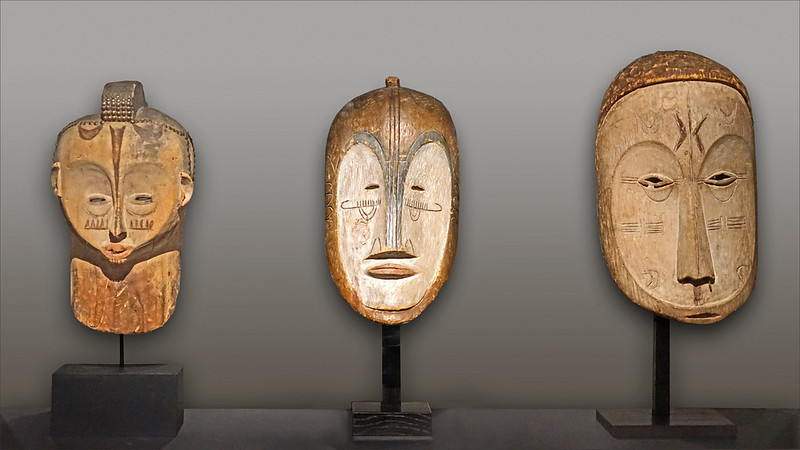
France is becoming entangled in a misguided sense of repentance that is detrimental to cultural works and the preservation of heritage.
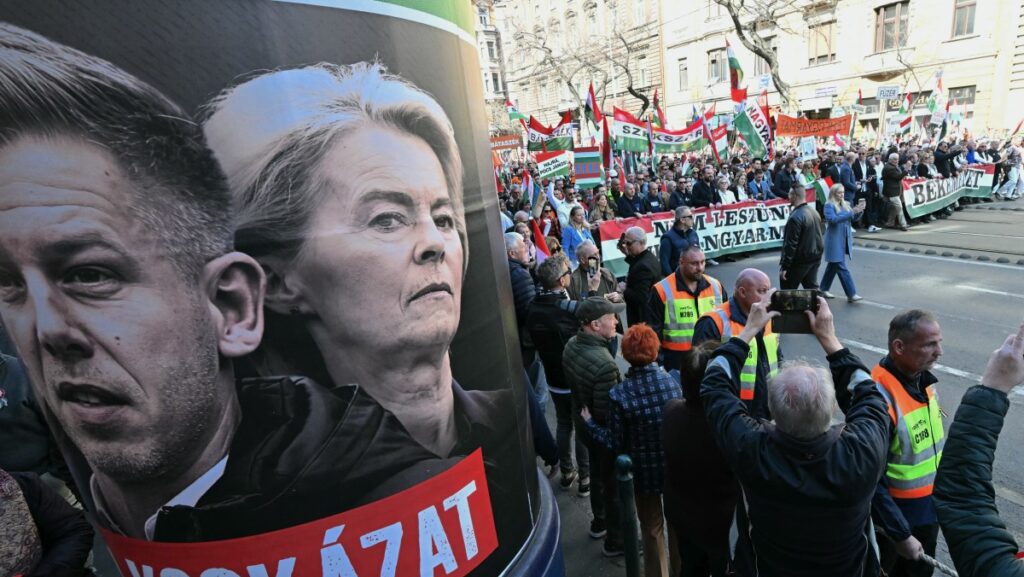
It would be a fool’s errand for Hungary to go to Brussels and submit to policies that are directly harmful to Hungary in exchange for an unfreezing of EU funding.
It is a telling sign of our times that a movement claiming to oppose racism relies so heavily on censorship.
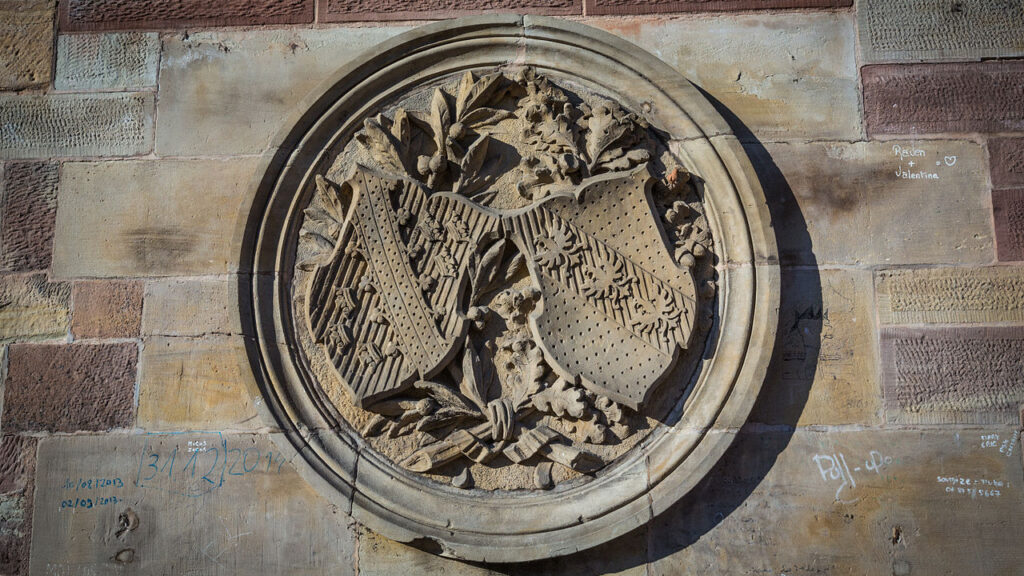
Thinking in terms of functional regions with which no one identifies simply doesn’t work: Europe would do well to give this some thought.
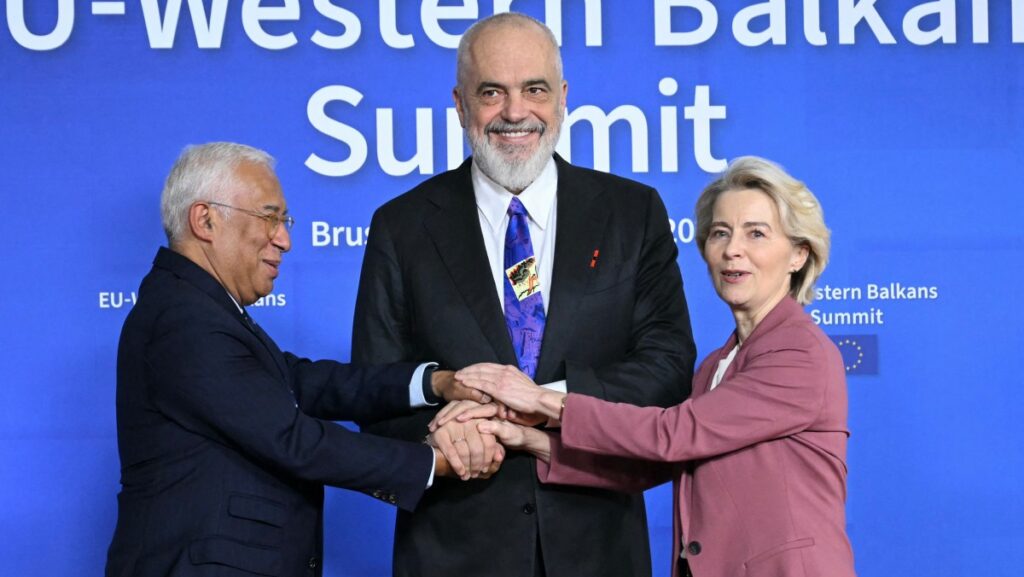
EU leadership prioritises enlargement over rule of law in Albania, accepting democratic backsliding in exchange for political stability.
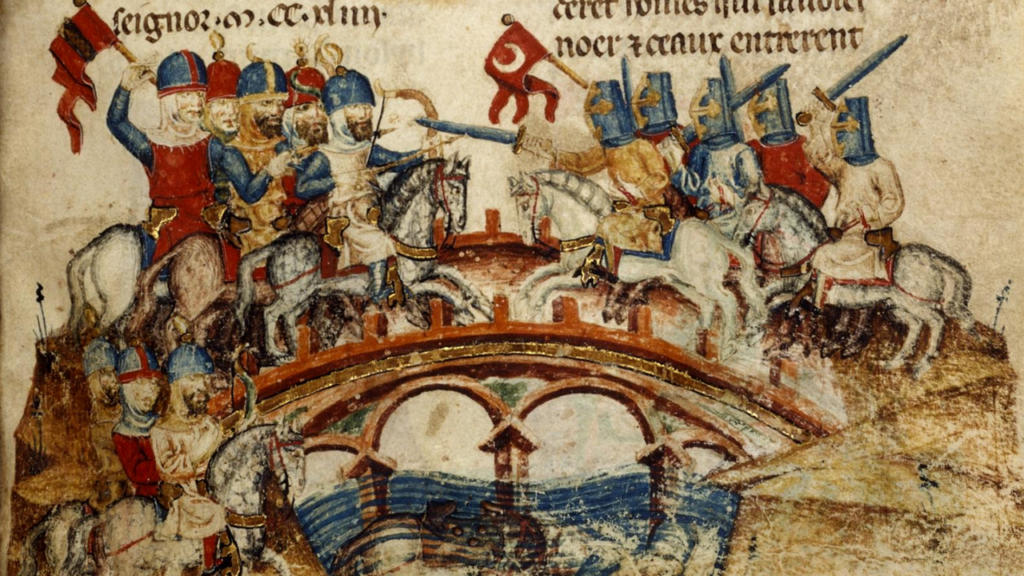
On April 12, Hungarians will be called to choose between adherence to the national interest in governance and the same sort of Brusselian occupation that has led so many other European nations to decay.
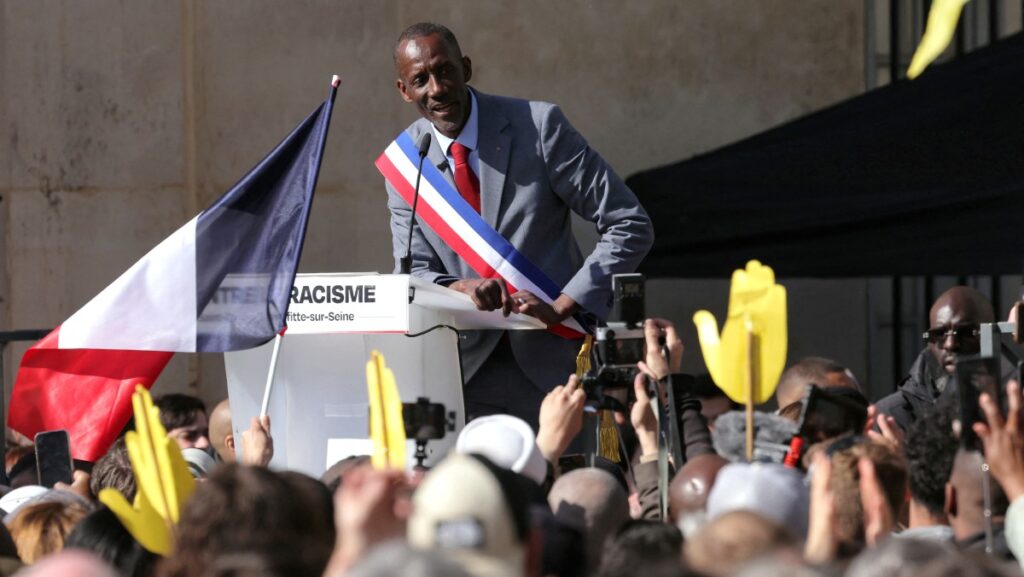
The French media have found themselves a new darling—one who merely highlights their racialist obsession.

Where the Dutch government looks at a young woman and sees a taxpayer it cannot afford to lose, the Orbán government looks at her and sees a mother it wants to support.

Another beloved British institution has succumbed to the cult of self-loathing.
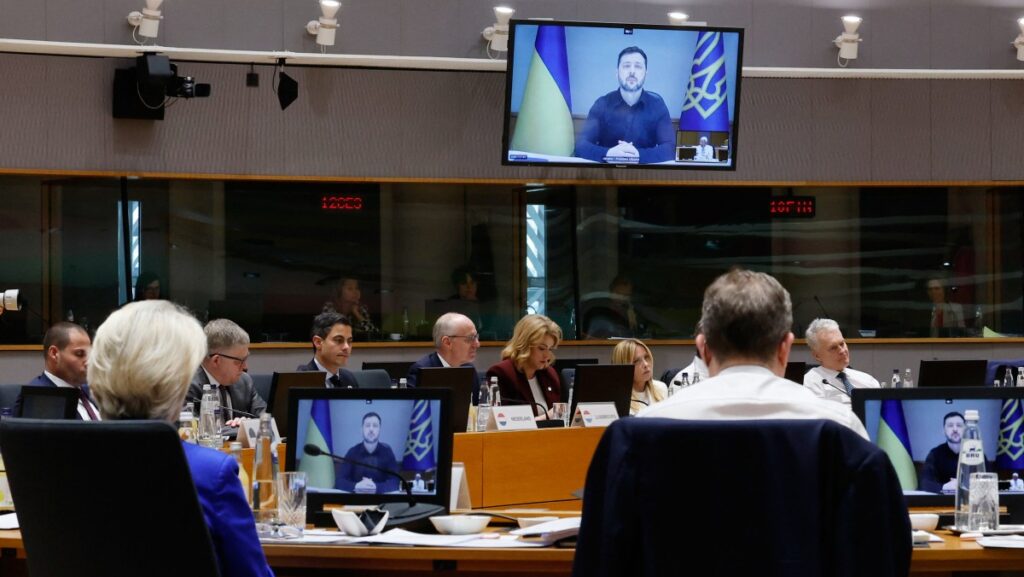
Full membership cannot be granted as a political gesture, lest the Union risk falling apart.
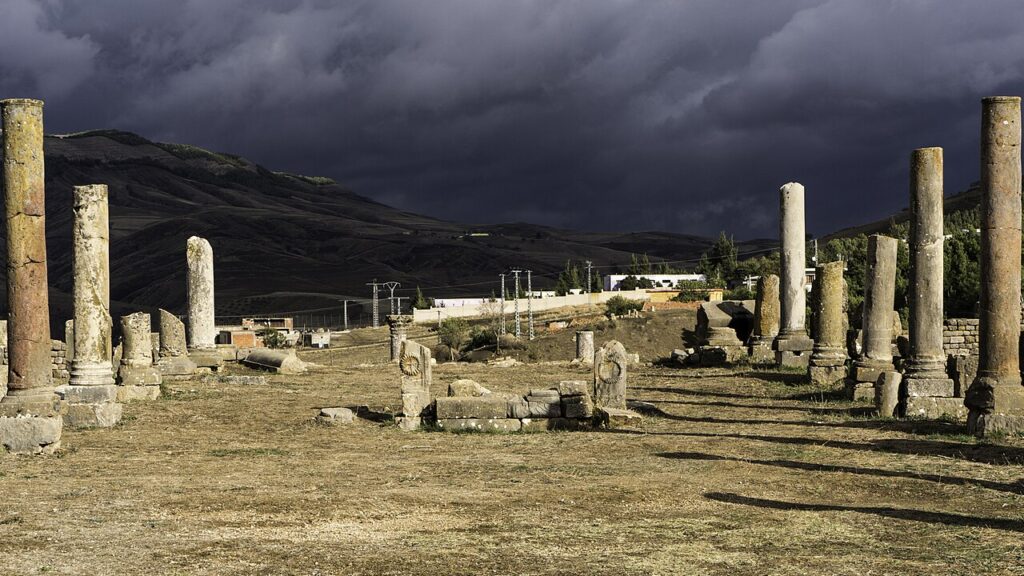
Over the past three years, state pressure on Christians in Algeria has intensified to levels unseen in decades, Open Doors said.
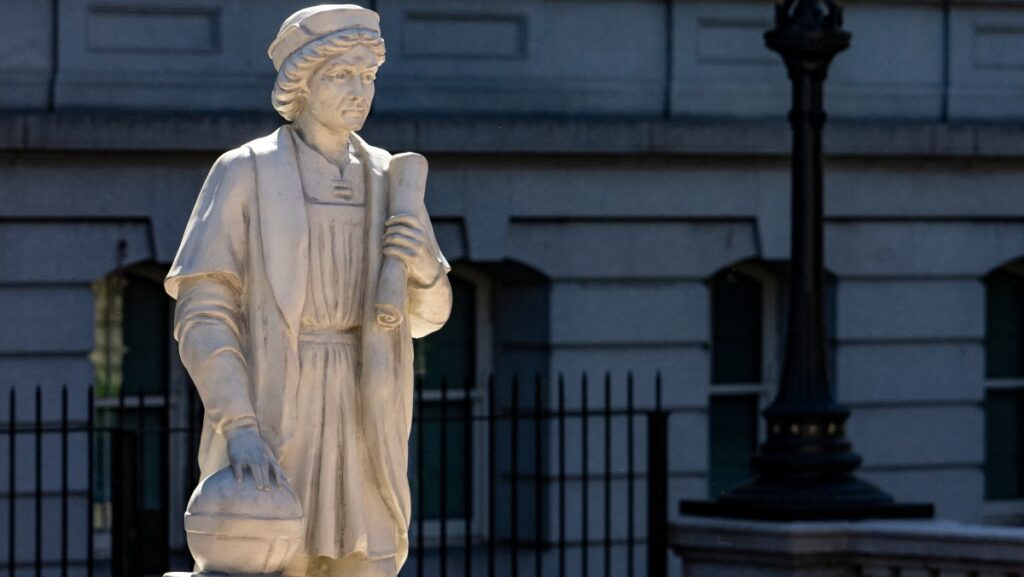
The statue is a daily reminder that we are in the midst of a reconquest—in the United States, and, of course, in Europe.