

Euros & Dollars: Recession To Strike EU in Time for June Elections
Jobless rates are rising, especially among young workers.

Jobless rates are rising, especially among young workers.

Every time there is a disturbance in the market for U.S. debt, the American economy inches closer to a full-scale debt crisis. We just moved another inch or two.

The trend with worried debt market investors continues. If this gets worse, higher—not lower—interest rates will be the least of our concerns.
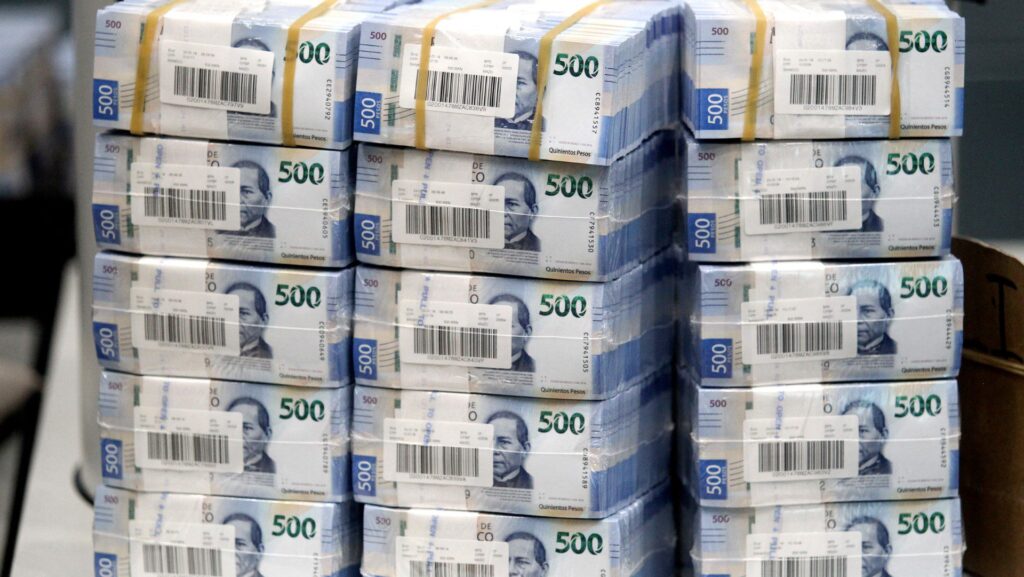
Argentina’s new president, Javier Milei, talks about making ‘seigniorage’ illegal. But does he really know what the term means?

A look at the 29 organizations tasked with policing political content on social media ahead of EU elections

The president of Argentina wants to make it illegal to print money for budget deficits. Economic theory says he is right, but the politics of the welfare state may get in his way.
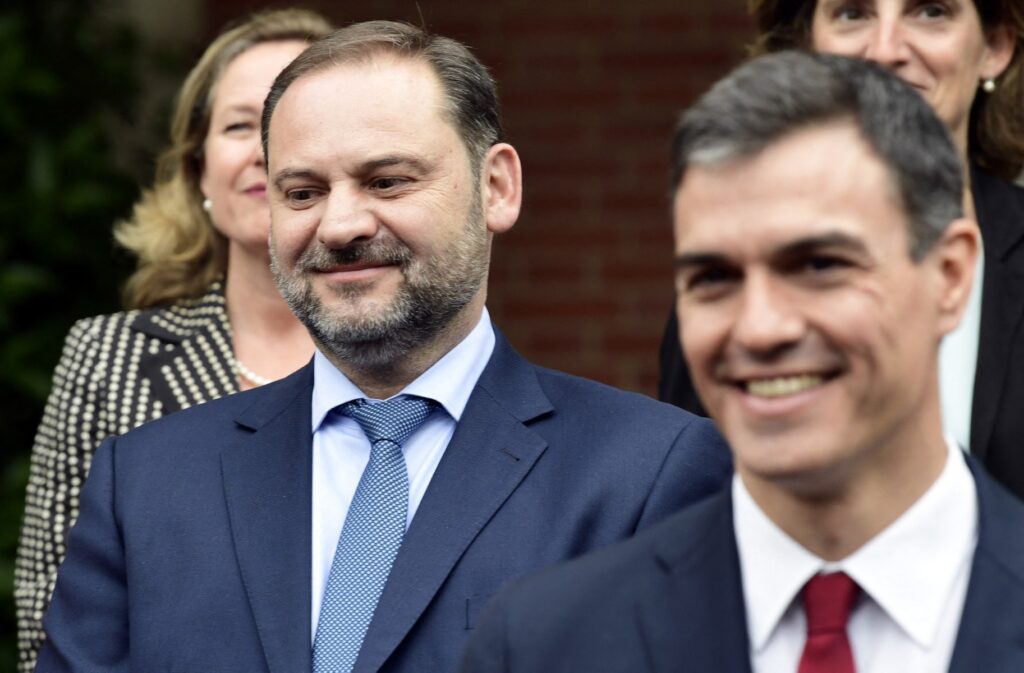
Repression and fear provided an opportunity for higher-ups in Spain’s Socialist Party to rob the taxpayer of his money as well as his freedom.

CNews dares to talk about security, immigration, borders, and justice while public TV carefully avoids these topics.

The unfolding ideological fight over Germany’s defense funding is a precursor to an American debate over the same issue.

The EU is in for a fiscal framework showdown between reformists and abolitionists. Who wins? Europe’s economic future hangs in the balance.

It is time for Europe’s lawmakers to act to save their economy from a long, cold, tough winter.

New numbers on U.S. private consumption reveal a tectonic lifestyle shift, one that is likely going to continue in coming years.
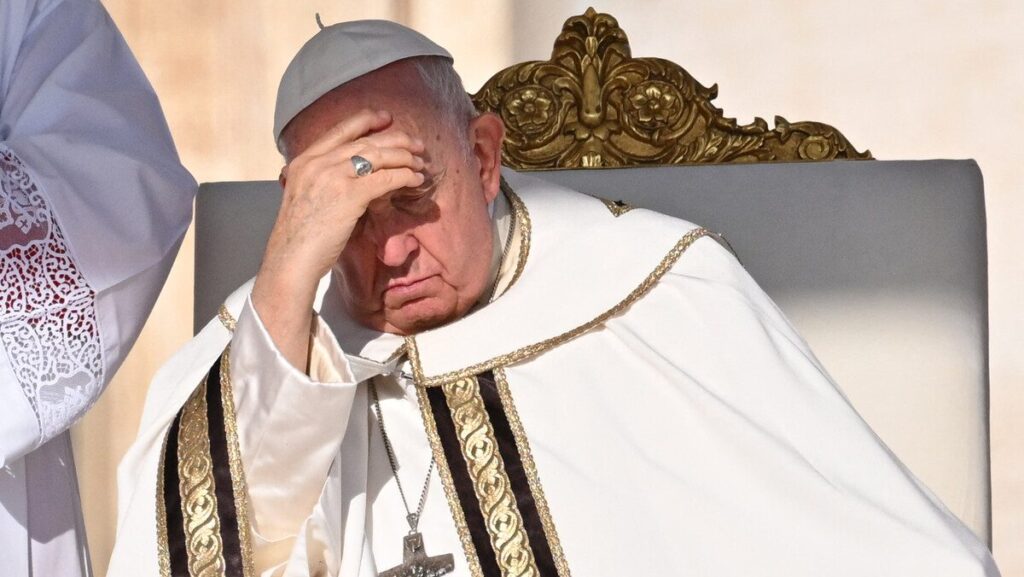
The cardinals asked the Pope to clarify key doctrinal controversies. Instead, the confusion is now even worse.

The fight is about defending the fundamental principle of respect for the educational choices of parents, who must remain the primary educators of their children.

Conservatism should emphasize the compatibility of valuing social cohesion at home over perverse incentives to allow mass immigration.

The U.S. debt keeps growing, and nobody seems to want to stop its growth. But what does the debt actually look like? Who owns it, and what are its components?

Building a coalition will be extremely difficult, as a possible ten or eleven parties could enter parliament.

The twin villains of high inflation and high unemployment have not left Europe. They are just taking a nap under a pile of moderately optimistic economic data.
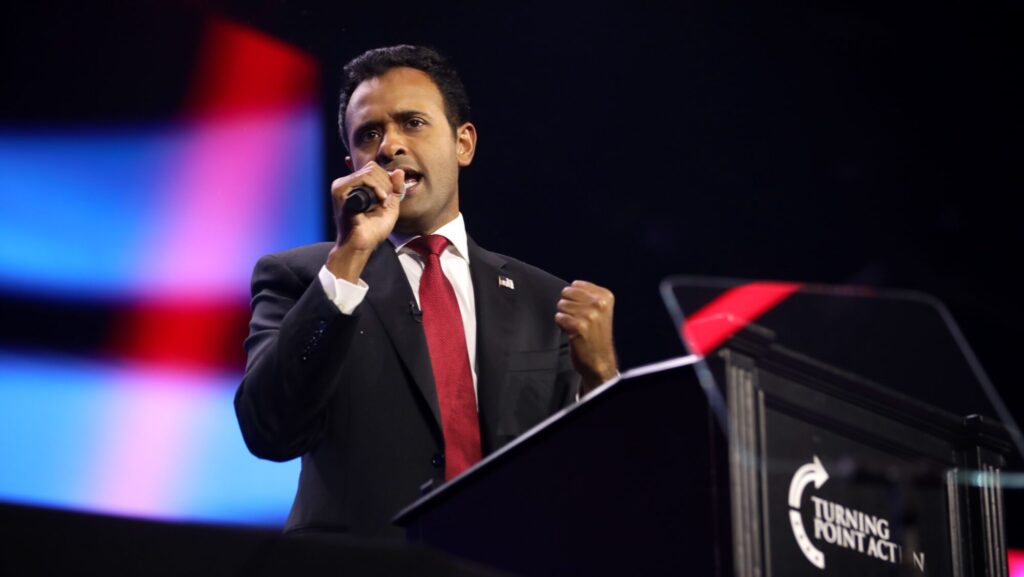
The Republican newcomer brings better policies to the table than his opponents, but often reduces the issues of cultural disintegration and national renewal to just GDP growth.

The Swedish government’s budget is thoughtful, intelligent, and well balanced. Let’s see if it also can deliver as promised.
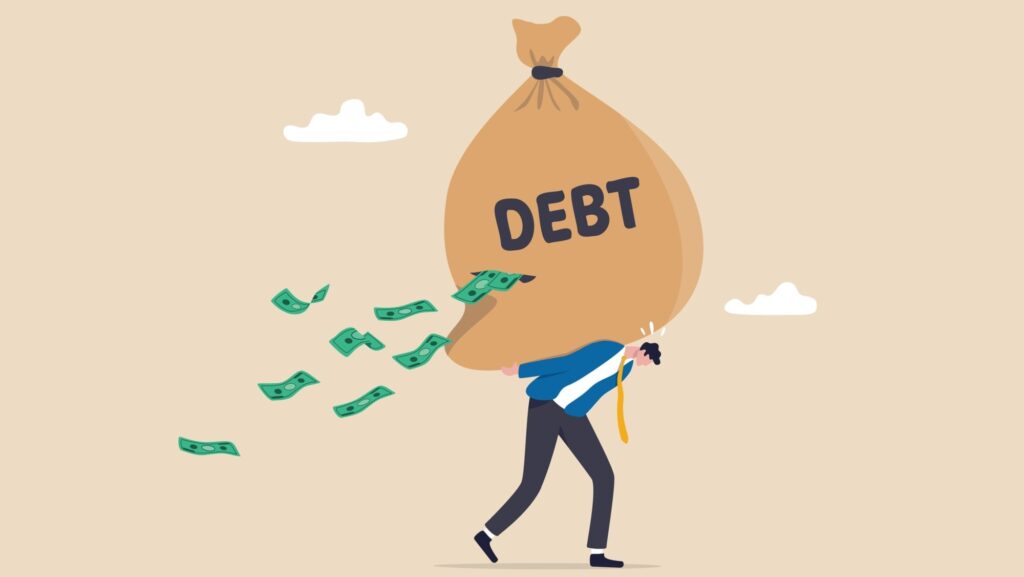
In the world of public finance, we call this ‘rocketing your country into a fiscal crisis.’

The concept of exploitation is deployed by socialists in the public discourse to force conservatives into renouncing capitalism altogether.