

Freedom of Religion vs Big Tech
The impersonality of major digital operators generates a vacuum of responsibility that conflicts with the fundamental rights enshrined by the European Union.

The impersonality of major digital operators generates a vacuum of responsibility that conflicts with the fundamental rights enshrined by the European Union.

Atheism and the erosion of moral order demand a resolute response of fervent faith, for even the most beautiful forms of Catholic culture alone will not suffice.

As with the debate on gun control, the problem doesn’t disappear: those who want to commit crimes will continue doing so—only now, everyone else will be watched.

What superficially looks like a mixed bag of good and bad news is in reality a depressing image of a continent slowly sinking into permanent economic stagnation.

Western mainstream media downplaying the violence against Christians are misleading their readers.

It will not matter whether the new mayor makes New York City dirtier and more violent; to his voters, his identity is the predominant factor.

If the EU is losing weight on the world stage, it is not because democracy is obsolete or values outdated; it is because ambition has outpaced ability.

The future strength of the Polish Right will hinge on turning big ideas into clean politics—and the government’s on turning unity into a credible plan.

Those who cry “Russia” nonstop should note that Hungary seeks strategic ties with the U.S. and that the summit’s outcomes matter for all of East–Central Europe.

There is a coordinated effort on the internet to portray the Fidesz government as an economic disaster for Hungary. Nothing could be further from the truth.

That Orbán has been able to cultivate a close relationship with the White House has thwarted the attempt of the Brussels bureaucracy to diplomatically isolate Hungary.

If we want to turn Europe and America in a more conservative direction, we need to understand the depth, the strength, and the persistence of our ideological adversary.
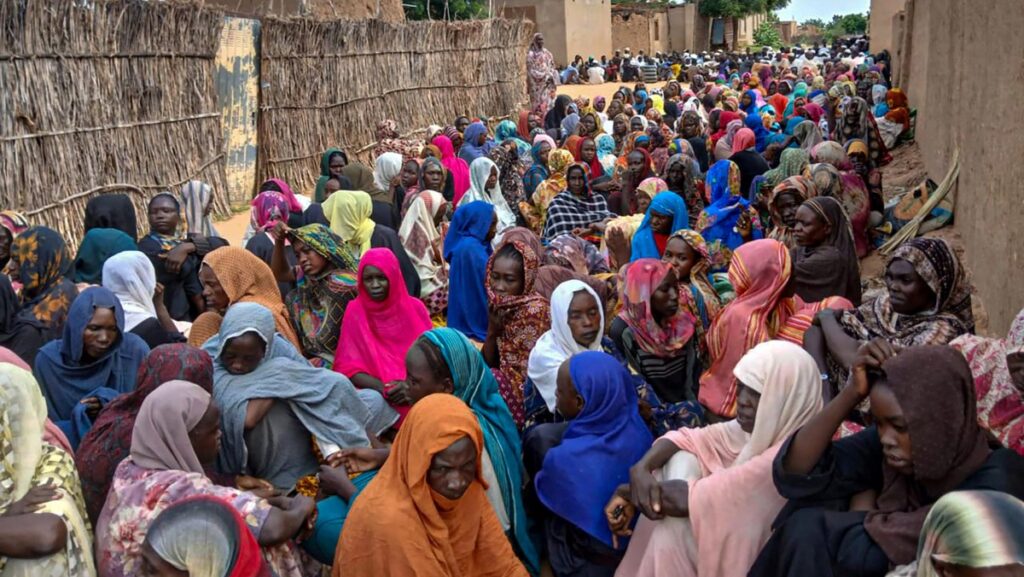
For the progressive West, suffering acquires meaning only when it can be traced to guilt. Without that connection, empathy falters.

Contrary to widespread myths and errors being produced by right-of-center pundits, the Swedish experience with democratic socialism was not short, and it never ended.

Orbán bets on energy dialogue with Washington as Europe pays the price of its dogmatism.

Powerful actors continue to fund NGOs to manipulate political systems and destabilize sovereignty, manufacturing the illusion of dissent.

The new synodal document of the Italian Church confirms a pastoral approach fully aligned with progressive ideology, paving the way for the abandonment of the natural family.

A shift in the nation’s political culture is vital—away from socialist and demagogic collectivist ideas that dragged a once-prosperous country into corruption and decay.

For too long, conservatives have fought in the language of values while surrendering the machinery of policy.

Newly uncovered documents reveal how Downing Street shaped the British narrative on the war in Ukraine, shutting down any early path to negotiation and projecting a new moral doctrine that now defines European policy.

It is easy to make promises with other people’s money—in this case, frozen Russian assets. But those assets are nowhere near enough to pay for von der Leyen’s pledges. Who will be asked to foot the rest of the bill?

A return to roots in a time of confusion or just another political strategy?