

Finland Moves Against Cell Phones in Schools
This new parent is hoping her Finnish counterparts start a global trend in dealing with cell phones.

This new parent is hoping her Finnish counterparts start a global trend in dealing with cell phones.

In its last week before summer break, the U.S. Supreme Court gave conservatives three major victories. Has the Left been defeated now?

Brussels and Washington demand a large dose of liberalism in the liberal democracy equation, regardless of how well a given democracy functions.
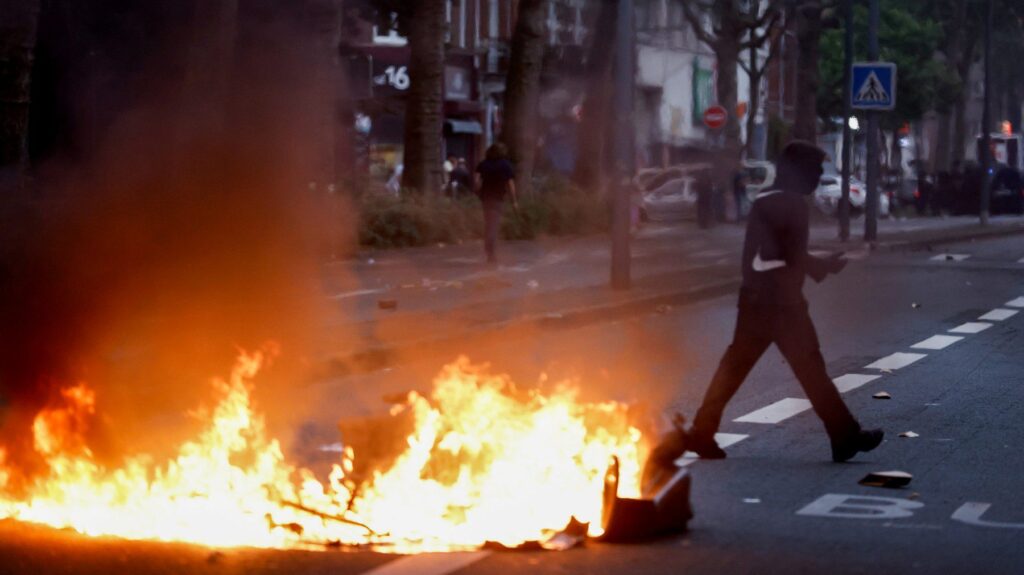
Rioting in Lille has been a surprisingly multiracial affair as white ultra-left radicals capitalised on the chaos on the streets to pursue a vendetta against the Macronist state while nationalists sit in wait.
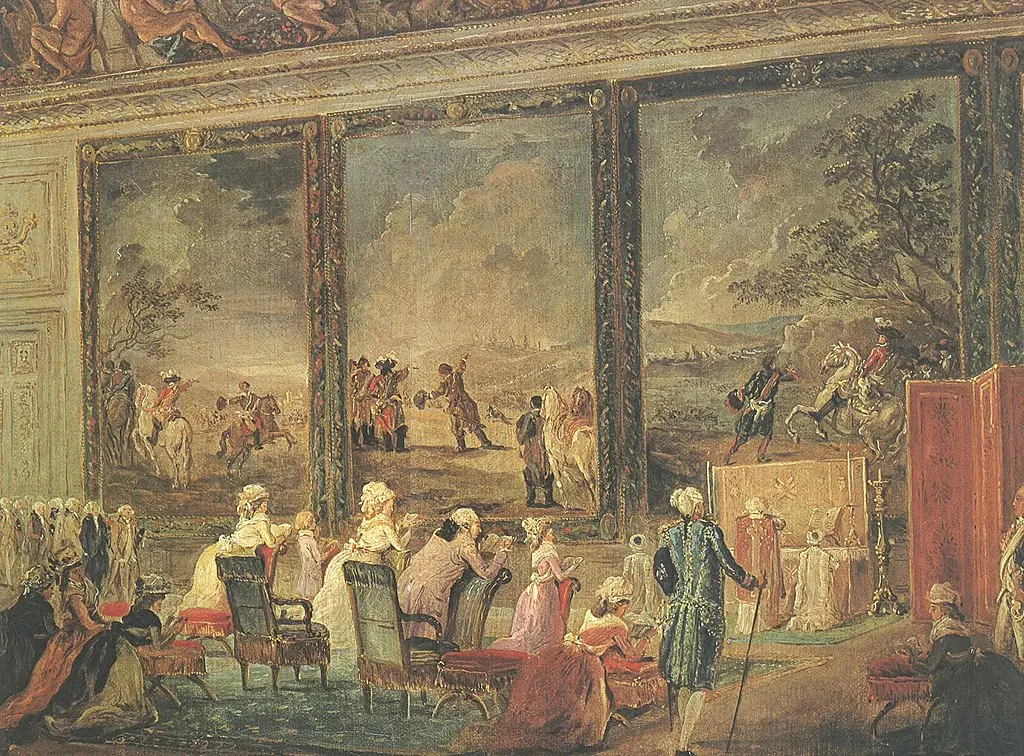
In refusing the Cross, we are given the rainbow. Nevertheless, in taking to heart all the proud gifts of June our fathers left us, we may in time deserve to regain the pride they had.
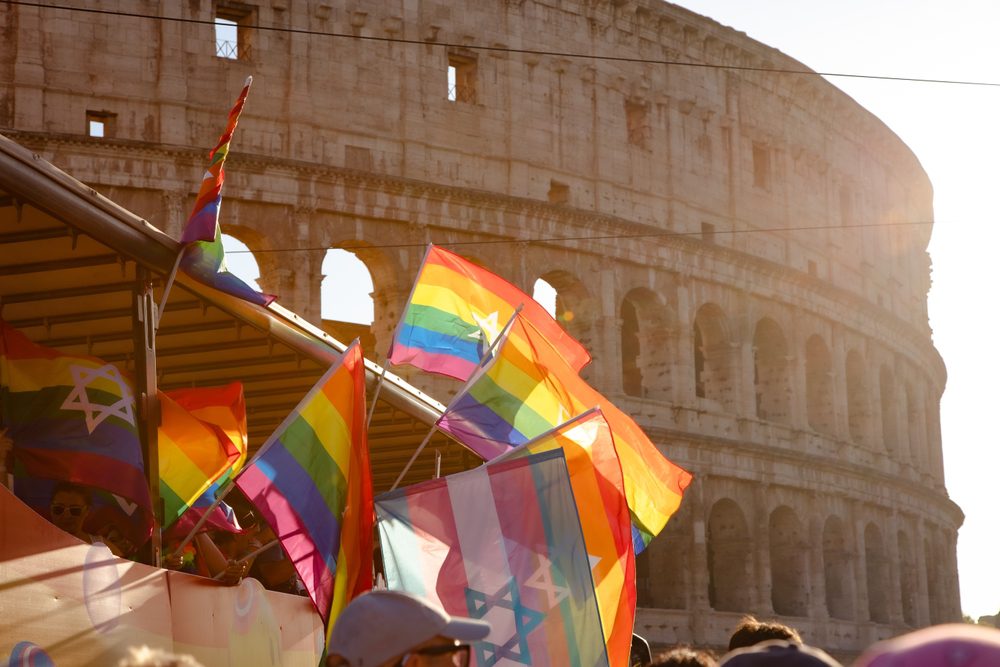
This year, ‘pride’ activists in Italy have focused more on attacking Meloni’s government than on celebrating the LGBT community.
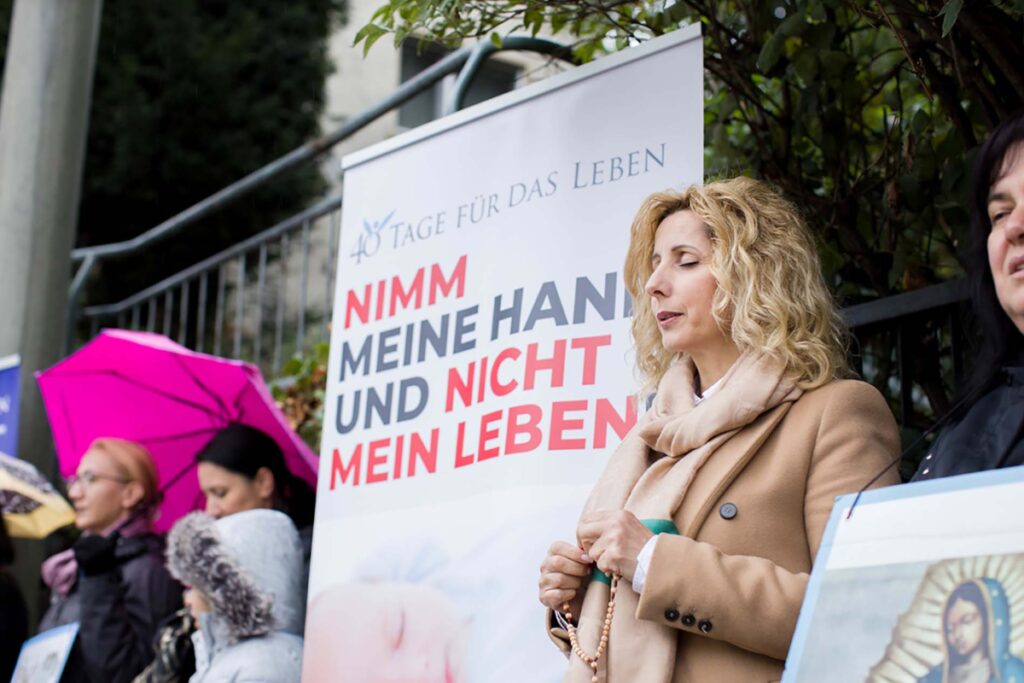
Should Germany follow through with its censorship policies, a legal clash will be inevitable. But for now, the right to pray and gather peacefully has been affirmed.
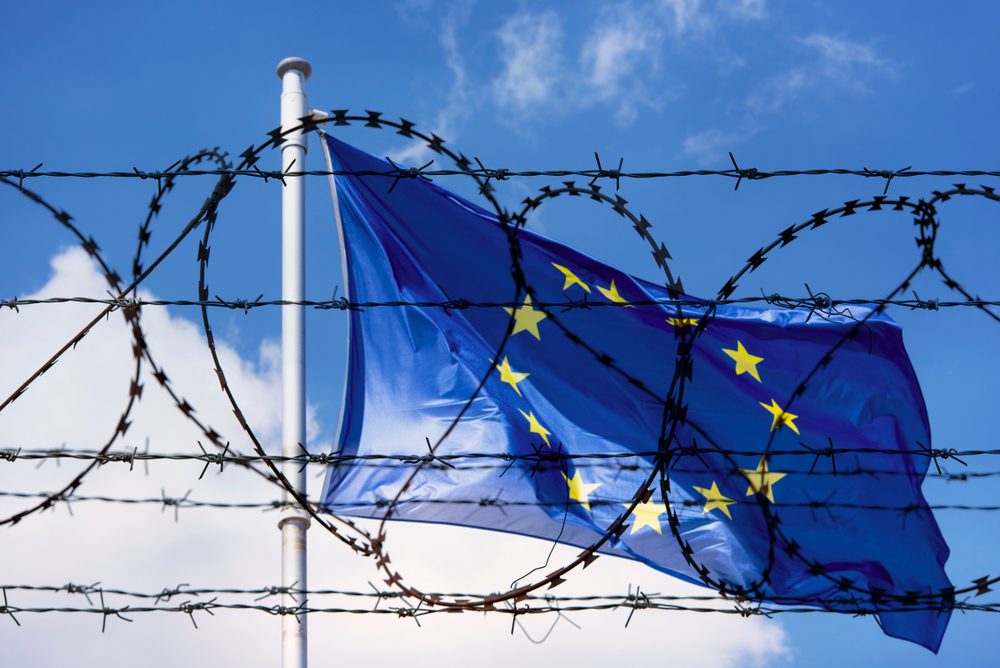
For all its talk of rule of law and democracy, the EU appears determined to ‘fix’ its broken migration system by politically punishing the very countries that have done the most to prevent the problem. Later this week, we’ll find out how European leaders who disagree with this process intend to push back.
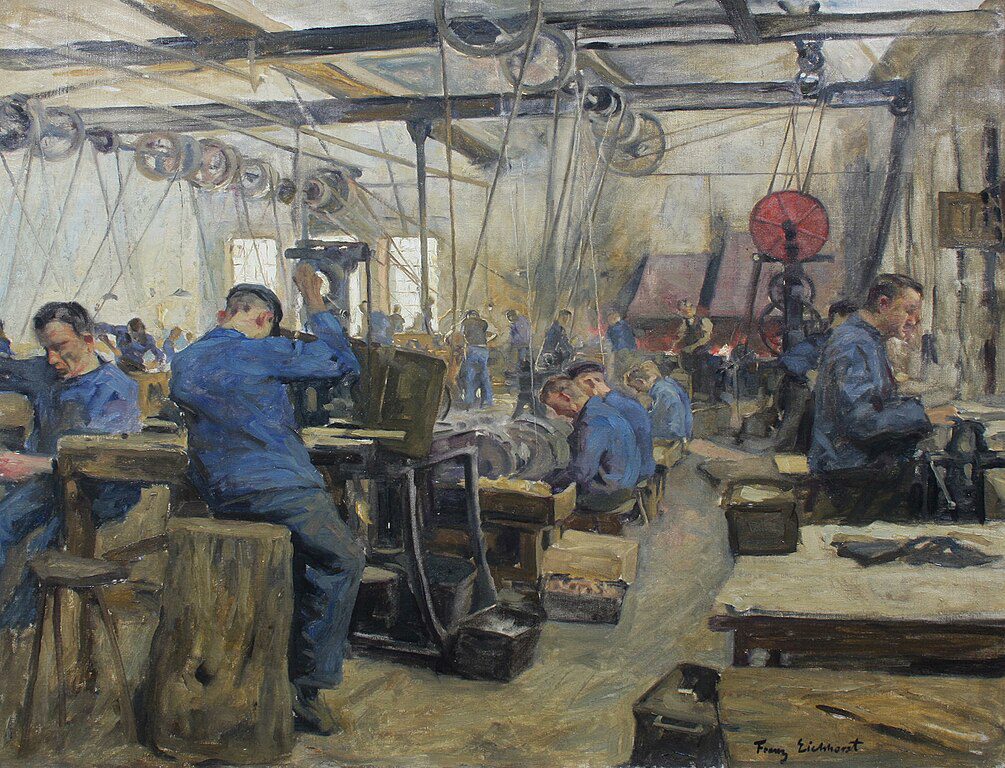
Colombia’s business class used to believe that workers had dignity, that not every action should be cost efficient and paid for, and that, while being profitable was indeed a constant concern and priority, it was not the sole mission of a corporation.
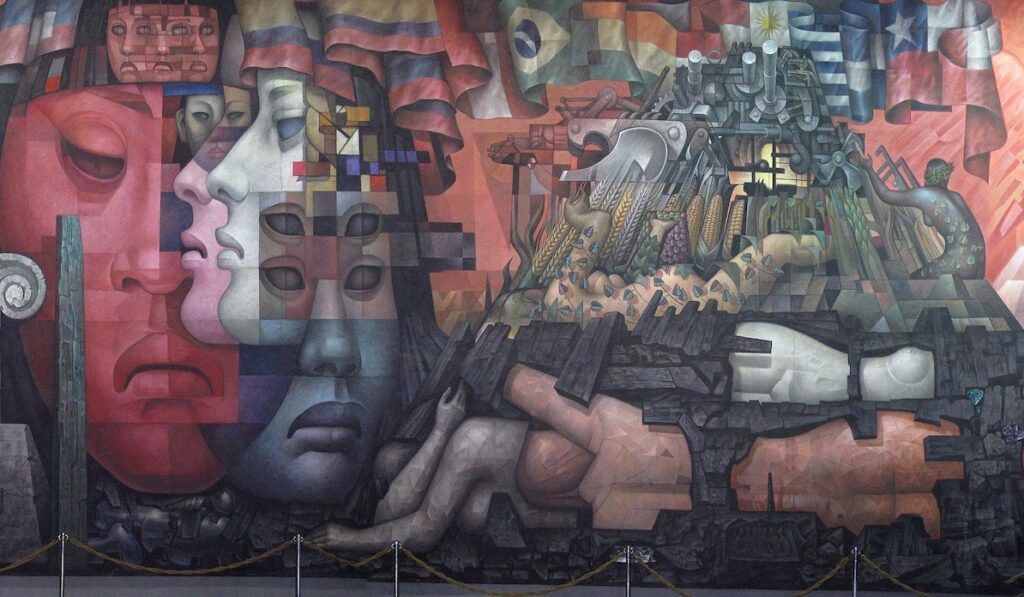
The conservative tendency to leave the public square and the realm of art—the mural—blank for someone else to paint on has done society no favours.

Patriotism and the attachment to national products are not the only reason American giants have failed in Italy. The local offer persists, because it is genuinely superior in every way to the foreign offer, and marketing snobbery is not enough to overcome this obstacle.
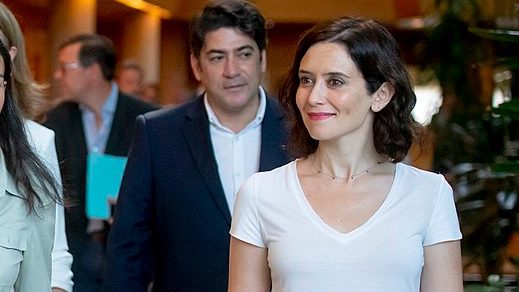
Conservatives have tended to mistake politicians touting ‘individualism’ and ‘economic liberalism’ for champions against ‘wokism.’ Madrid’s Díaz Ayuso is a clear example.
We should be fueled by a smart and hopeful attitude. It is no coincidence that hope is one of the three theological virtues in Christian tradition. It teaches us that however difficult our circumstances are, we must never fall into despair.
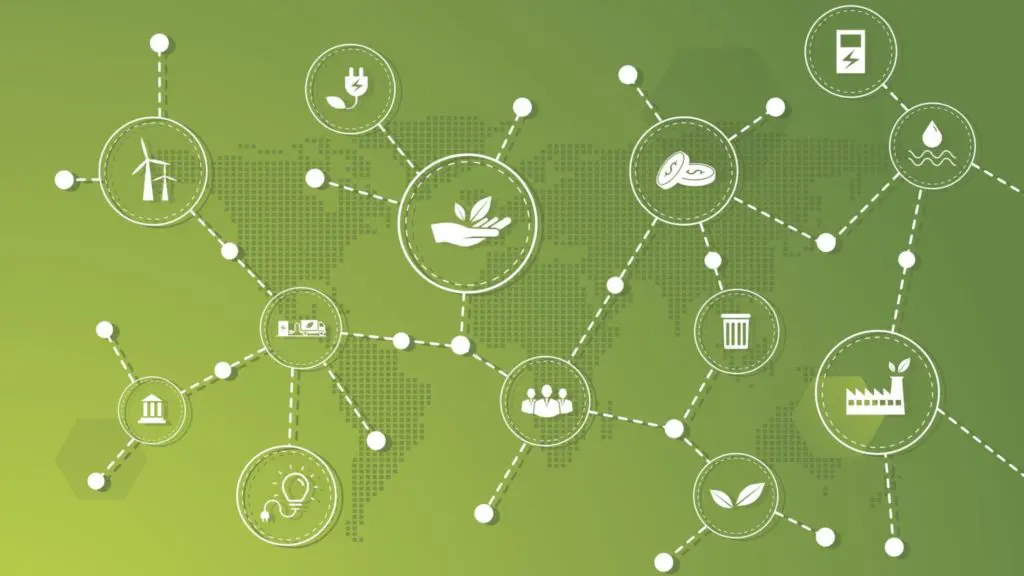
At the EU level, environmental policies are mostly being continued as if there were no Russian invasion of Ukraine or large-scale energy crisis.

While it is correct that a recession is defined by two consecutive quarters of declining GDP, it is not correct that the American GDP declined two quarters in a row. Unfortunately, all the economists and analysts who made the recession call were wrong.

Universalism is forced to coexist with diversity and inclusion; one has to agree that patriarchy, aristocracy and capitalism were evil unless they are not white. But deeper divides force progressives to either keep their eyes shut or risk becoming the oppressors.
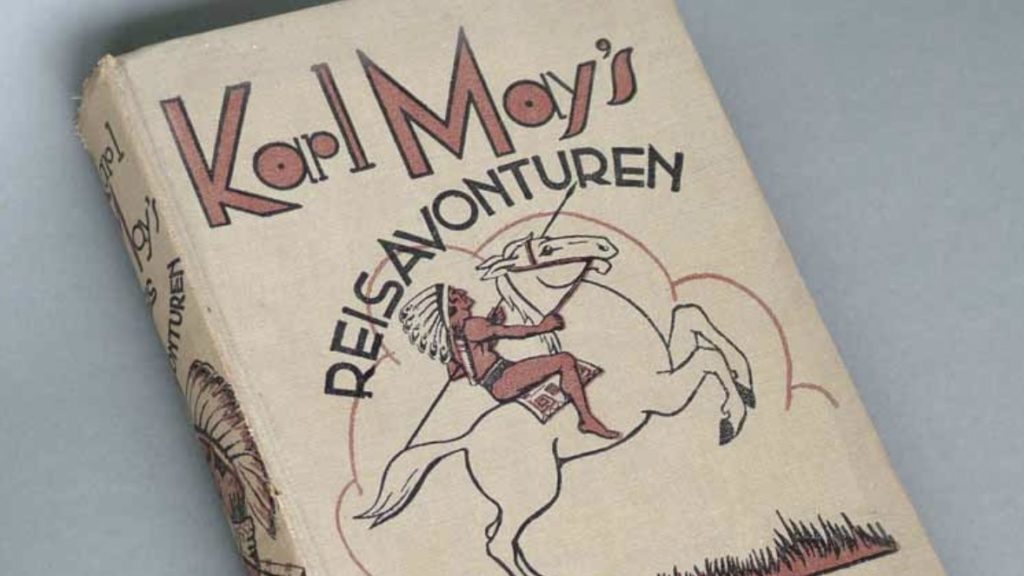
Out of caution not to be seen as inflicting “racist stereotypes” upon consumers or purveying material rife with “cultural appropriation,” German publisher Ravensburger anticipates canceling Winnetou as part of its future offerings.
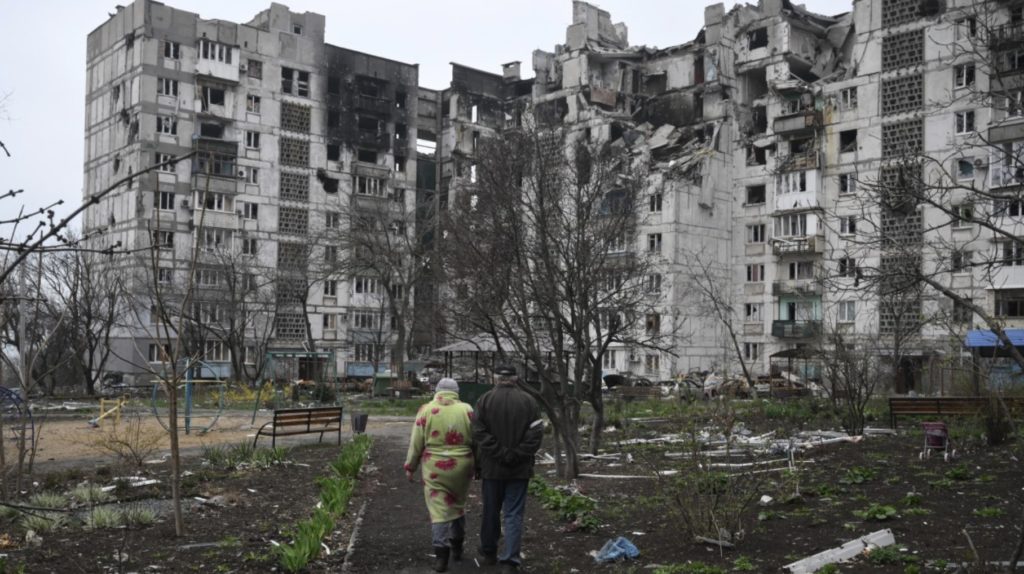
24 February 2022 will be a dark date written in the annals of world history.
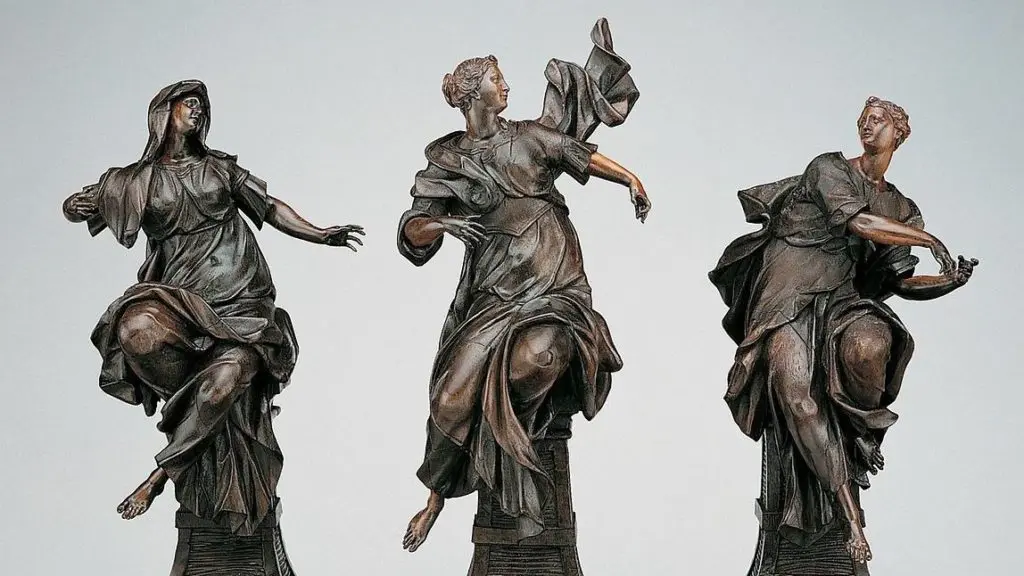
In June, we published the Statement of Principles. We hoped it would elicit discussion and debate. This letter is what we hope is the first in a series of commentaries on the topic. The signatories say, “In its list of ideals — ‘patriotism and courage, honor and loyalty, religion and wisdom, congregation and family, man and woman, the sabbath and the sacred, and reason and justice’—no mention was made of friendship, compassion, or love.”
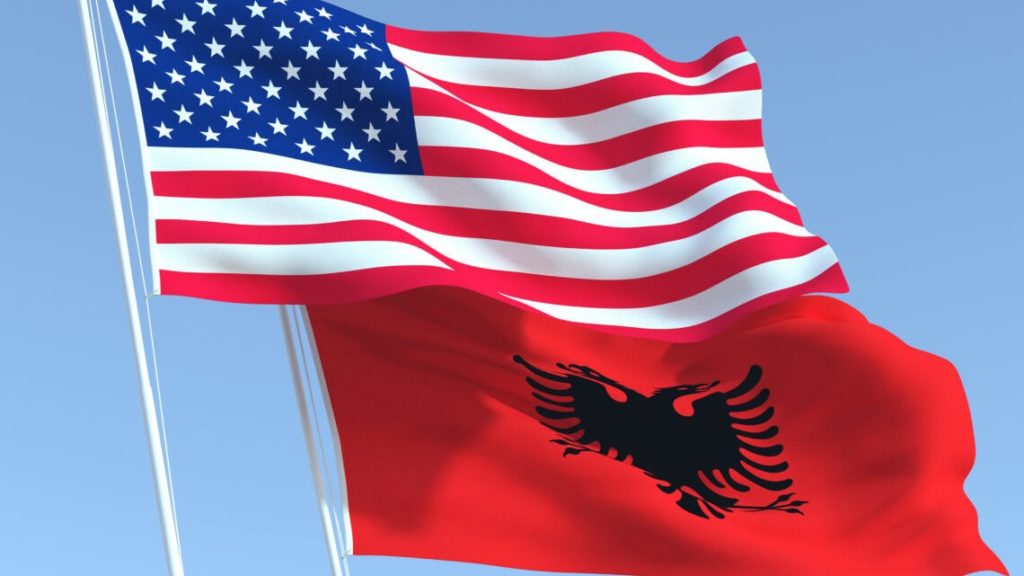
If the U.S., or the UK, purport to keep wielding the holy swords of justice, they should do so with reasonable foresight in order that their actions do not end up making messy local realities even messier.

We are addicted to snarky commentary and the daily-churning of vacuous novelty. We won’t really be champions of anything like ‘tradition’ so long as we remain mired in these postmodern poisons.

The point with the minimum age is not the number, but the notion that statesmanship is a slowly acquired asset. It takes time to build the experience, the skills, and all the intangible qualities that the leader of a nation must possess.