
F·R·I·E·N·D·S: A Work of Truly Bewitching Propaganda
Unlike imagination, fantasy permits one to depart from reality and take refuge in cheap consolations that cannot be found in this world and would destroy our world if they were here.



The actual fallout of the price cap depends in part on the contractual situation between seller and buyer. However, no contract is immune to the forces of the free market.

Germans have become incapable or unwilling to defend our national interests. We no longer secure our own borders—we are too refined for that. We leave it to others, such as Poland and Hungary, and then lecture them when they do it.

The establishment’s cowardice leaves no place for honesty. It is a safe, risk-averse, and timid strategy for those without guiding principles or will to follow them. As Mikhail Bulgakov once wrote, “cowardice is the most terrible of vices.”

The French believe a union of the Rights is highly unlikely in the French political landscape, and perhaps more significantly, they consider coalitions undesirable.

The cold, hard truth embedded in all these numbers is this: going forward, the U.S. Treasury will have to continue to raise interest rates just to keep investors from selling American government debt.

The modern media environment is less and less informing and entertaining, and more and more ‘re-educating.’ It wants us to question and then reject the instincts which have served us well for millennia. It wants us to doubt our own eyes and ears.
The new enclosures and ‘fourth industrial revolution’—with its counterfeit morality, its saccharine pseudo-ethical appeals to inclusivity and saving the planet—may not need a large force, but they do need a disciplined, dependent population.

There was no ‘crash’ of the pound. The big rate increase by the Federal Reserve simply created an irresistible opportunity for investors to make some good money, and do it safely.

For the Italians, there is no ‘fascism’ attached to Giorgia Meloni. Her coalition is centre-right, full stop. On the other side of the Alps, the repeated use of the word ‘fascist’ dispenses with any nuanced analysis; few articles actually look at Meloni’s programme.

It is time to break the unproductive loop between impatience, single-issue rejection of remarkable candidates, and the political status quo. The NatCon Statement of Principles is a first, major step in that direction.

Like radicals in all corners of the world, instead of celebrating a leader and iconic figure, the government chose to make politics of the monarchy which has always stayed above the fray of politics.
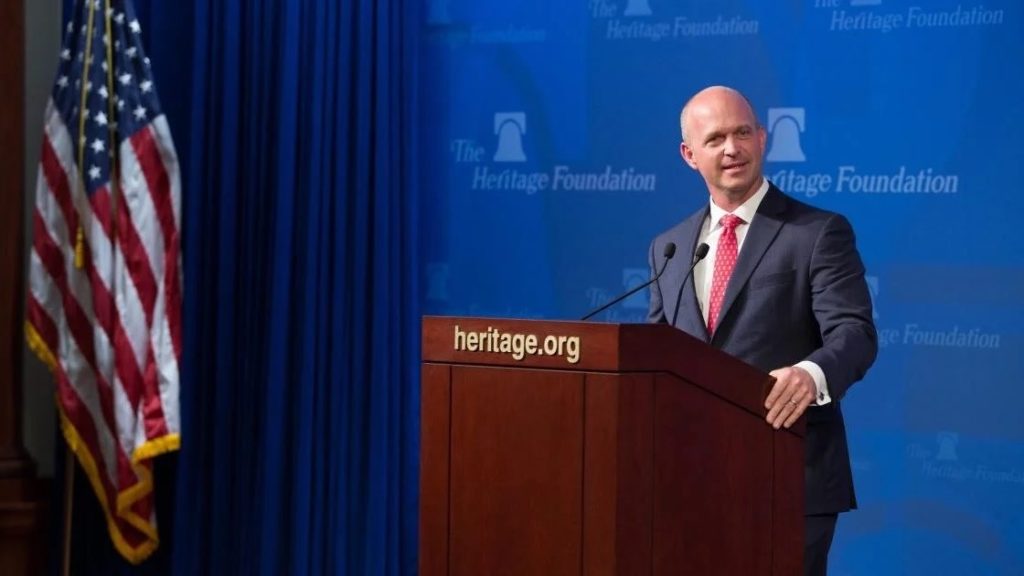
A conservative system of benefits protects citizens from destitution, but to succeed, the definition of poverty needs to be overhauled. The Heritage Foundation is moving in this direction, and their ideas could positively impact European welfare policy.