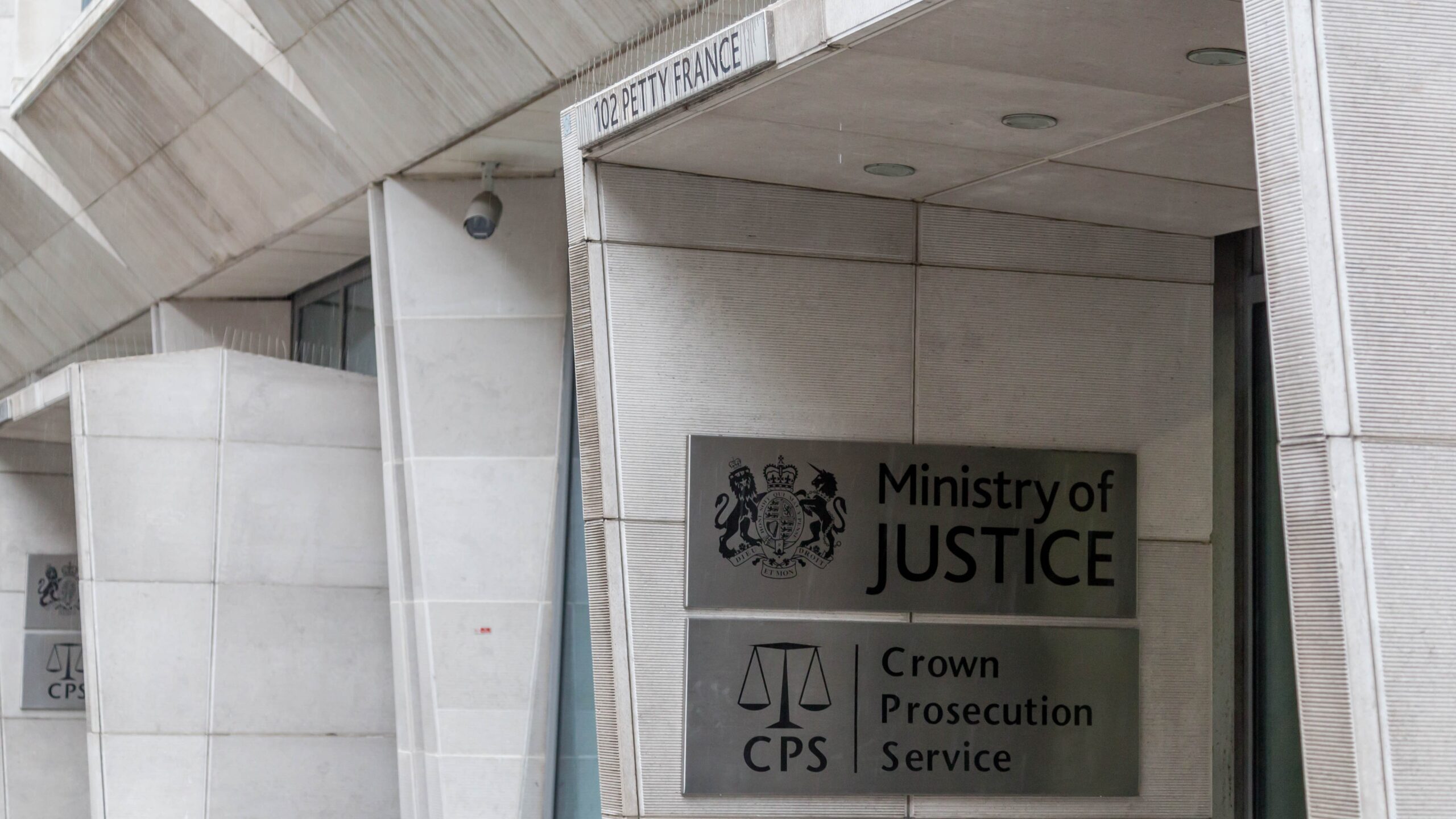
The building housing the Crown Prosecution Service in London, UK
By David Pearson – 180120-0950_23C2440.jpg, CC BY-SA 2.0, https://commons.wikimedia.org/w/index.php?curid=71619323
The Crown Prosecution Service in England and Wales wants its own prosecutors to ask themselves whether they are acting under “unconscious bias” before deciding whether to charge suspects from ethnic minority backgrounds.
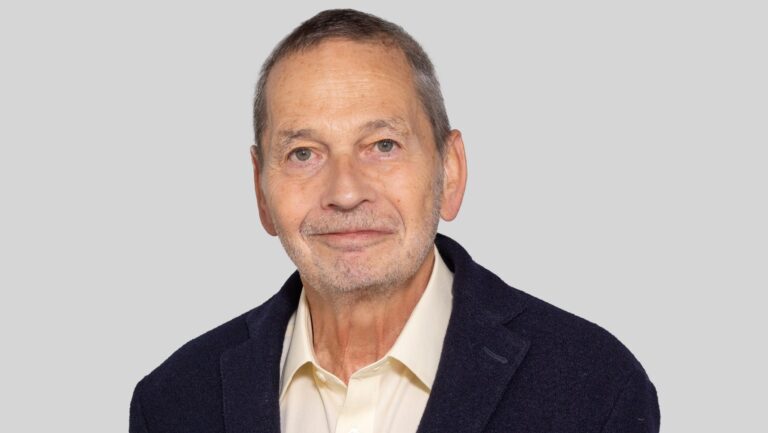
The measure will be introduced by Stephen Parkinson, head of the Crown Prosecution Service (CPS), into the code that guides charging decisions.
The official argument is to “avoid discrimination, correct inequalities and strengthen public trust in the system.” Parkinson argues that bias exists in some decisions, even if unconscious, and that prosecutors must keep that risk “at the forefront” when assessing a case.
The CPS relies on internal research according to which suspects from ethnic minority backgrounds have been charged more often than white British suspects for comparable offences.
Whether that is true or not, the decision comes at a politically more explosive moment. The United Kingdom is no longer discussing only whether there is inequality before the law. It is discussing who suffers from it.
The case of Henry Nowak has turned that question into a national wound. Nowak, an 18-year-old student, was fatally stabbed in Southampton by a Sikh man, Vickrum Digwa. According to the British Government, Digwa murdered the young man and then falsely accused him of racism as he lay dying. Police handcuffed Nowak on the ground, despite the fact that he said he had been stabbed. Two officers are now under investigation for possible gross misconduct.
That episode explains why the expression “two-tier justice” no longer works merely as a partisan slogan. For many Britons, it simply demonstrates the fear of appearing racist, excessive deference towards certain identities, and immediate severity against nationals who do not fit the dominant victimhood framework.
Nor is it an isolated case. Most recently, a young white male was attacked by black men in Birmingham, with the police arriving at the scene arrested the white victim, as the black attackers walked away.
In Rotherham, official reports documented that local authorities avoided confronting the role of groups of men of Pakistani origin in mass sexual abuse for fear of being accused of racism. In Rochdale, Shabir Ahmed, the ringleader of a child sexual exploitation gang, has been released after serving part of his sentence and cannot be deported because of legal protections linked to his arrival in the country before 1973.
There is also Abdul Ezedi, the Afghan refugee suspected of the Clapham chemical attack, who had been granted asylum despite previous convictions for sexual offences. Or Lawangeen Abdulrahimzai, the Afghan asylum seeker who killed Thomas Roberts in Bournemouth after having previously been convicted of murder in Serbia.
The problem, therefore, is not that British justice is too harsh on minorities. The problem is that the state appears willing to introduce identity filters into policing and prosecution decisions while it has failed, again and again, to protect its own citizens from criminals whom the system did not want to see, did not know how to deport, or did not dare to treat with the same severity.
Equality before the law does not mean compensating statistics. It means charging, judging and punishing without first asking which identity best protects the accused.