Slovakia could lose up to €35 million in European Union funding for suspending a single grant to an LGBT youth organisation.
The European Commission has warned Bratislava that it may launch formal proceedings after Slovak authorities withheld around €120,000 allocated to Saplinq, an LGBT organisation, under the Erasmus+ and European Solidarity Corps programmes.
In a letter reported by Slovak media, the Commission demanded an explanation by next week and warned it could reduce Slovakia’s EU funding allocation.
While the National Institute of Education and Youth (NIVaM) has attributed the delay to technical reasons, previous reports suggested that the payment was halted on the instruction of Education Minister Tomáš Drucker because the project concerned the LGBT agenda.
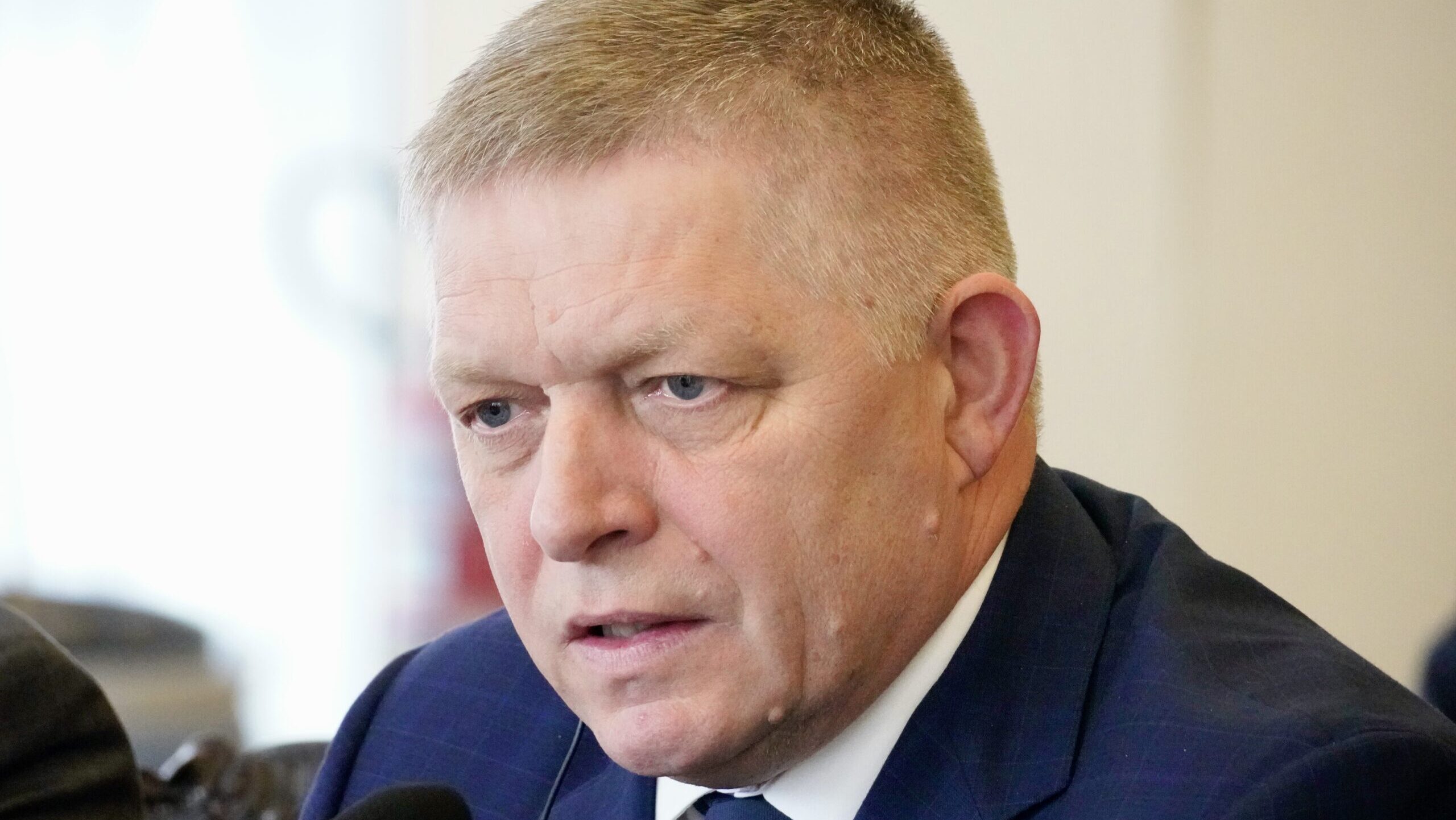
The row reflects broader tensions between the Slovak government and EU institutions over social and family policy. Since returning to office in 2023, Prime Minister Robert Fico has promoted a conservative agenda centred on the protection of national sovereignty and traditional values.
Last year, the Slovak parliament approved a constitutional amendment recognising only two sexes—male and female—and restricting adoption to married couples, effectively excluding same-sex couples. The reform also asserted the primacy of Slovak law over EU legislation in matters relating to national identity.
Fico has defended the measures as a necessary safeguard against “progressive politics” promoted by Brussels.
More recently, he urged lawmakers to adopt legislation that would prevent Slovakia from recognising same-sex marriages legally concluded abroad, arguing that such recognition would conflict with the country’s constitutional definition of marriage as the union of a man and a woman.
The issue has gained additional significance following a 2025 ruling by the European Court of Justice, which held that EU member states must recognise same-sex marriages lawfully contracted in another member state.
Although the judgment did not require countries to legalise same-sex marriage domestically, it reinforced the principle that national legislation must comply with EU law.