Pexels
Allegations that Spain redirected more than €10 billion in EU recovery funds into pensions and welfare spending have escalated into a wider European controversy after German newspaper Die Welt and other German outlets picked up the story, fuelling outrage from politicians, taxpayer groups, and EU lawmakers.
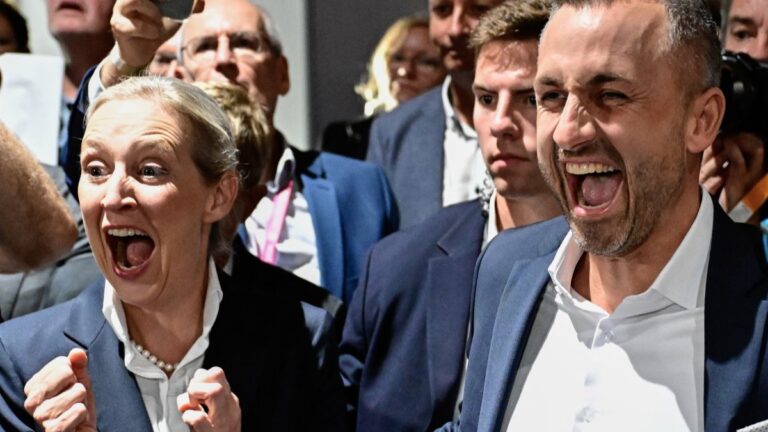
Alice Weidel, co-chair of the Alternative for Germany (AfD), reacted furiously on X after the reports spread in Germany.
“German taxpayers’ money finances socialist mismanagement in Europe. The madness of EU communal debt must come to an end,” she wrote.
Spaniens Sozialisten veruntreuen zehn Milliarden Euro aus dem EU-Corona-Fonds. Deutsche Steuergelder finanzieren sozialistische Misswirtschaft in Europa. Der Irrsinn der EU-Gemeinschaftsschulden muss aufhören – eine AfD-Regierung wird dafür sorgen!https://t.co/RHq0OcvneL
— Alice Weidel (@Alice_Weidel) May 11, 2026
The reports, first published in El Mundo, claim documents sent by the Spanish Ministry of Finance to the Congress of Deputies show that billions from the EU’s post-COVID recovery fund were reassigned away from investment programmes and towards covering rising costs inside Spain’s welfare and pension system.
According to those reports, by the end of 2024, around €2.39 billion had allegedly been directed towards the civil servants’ pension fund and minimum pension payments within the Social Security system. In 2025, another €8.5 billion originally earmarked for industrial transformation programmes reportedly ended up reinforcing the wider welfare system.
Michael Jäger, president of the European Taxpayers’ Association, described the case as a “first-order scandal” and called for full transparency, repayment of the funds, and possible legal consequences.
Reactions have also emerged inside the European Parliament. German MEP Andreas Schwab, chairman of the Parliament’s budgetary control committee, said it was “absolutely unacceptable” for money from the Recovery and Resilience Facility to be used to “conceal budgetary problems in the national pension system.”
The Spanish government insists the transfers are legal and compatible with normal treasury operations. But the growing backlash risks turning the issue into a broader European dispute over how Brussels’ shared debt programme is being used.
The stakes are particularly high because the NextGenerationEU programme was presented in 2020 as a historic one-off recovery package focused on post-pandemic reconstruction, industrial investment, digitalisation, and the green transition. Worth up to €806.9 billion in grants and loans, it became the largest joint debt programme in EU history, with Spain among its biggest beneficiaries.
For years, countries such as Germany have resisted turning joint EU borrowing into a permanent feature of the bloc, arguing that northern European taxpayers could end up financing irresponsible spending elsewhere in Europe. The fact that major German newspapers are now presenting the Spanish case as evidence of misuse is likely to intensify those concerns.
The controversy also comes at a politically difficult moment for Spanish prime minister Pedro Sánchez, whose government is already facing mounting pressure over corruption investigations linked to figures close to the ruling PSOE.
For now, Brussels has avoided discussing sanctions and says it is still reviewing the available information. But what began as a domestic Spanish controversy is increasingly turning into a Europe-wide political problem with implications far beyond Madrid.