Concerns are growing that Hungary’s new centrist, pro-Brussels government could seek to weaken the Constitutional Court as part of an attempt to purge state institutions of Orbán-era officials and place all major centres of authority under the government’s influence.
According to daily Magyar Nemzet, proposals to change the status of the Constitutional Court had already been made by figures linked to leftist parties ahead of the 2022 parliamentary elections.
They argued that the court had become too politically influenced under the Viktor Orbán-led conservative governments and suggested that it could be abolished, with its powers transferred to the Curia, Hungary’s Supreme Court.
Speaking to Magyar Nemzet, constitutional lawyer Zoltán Lomnici Jr. warned that such a move would carry serious risks.
He said the Constitutional Court performs a unique role by reviewing laws and protecting constitutional rights, while the Curia deals with ordinary court cases. Combining the two, he argued, could weaken the separation of powers and place too much pressure on the judicial system.
The issue has gained fresh attention since the April elections which led to the end of the sixteen-year Orbán-era.
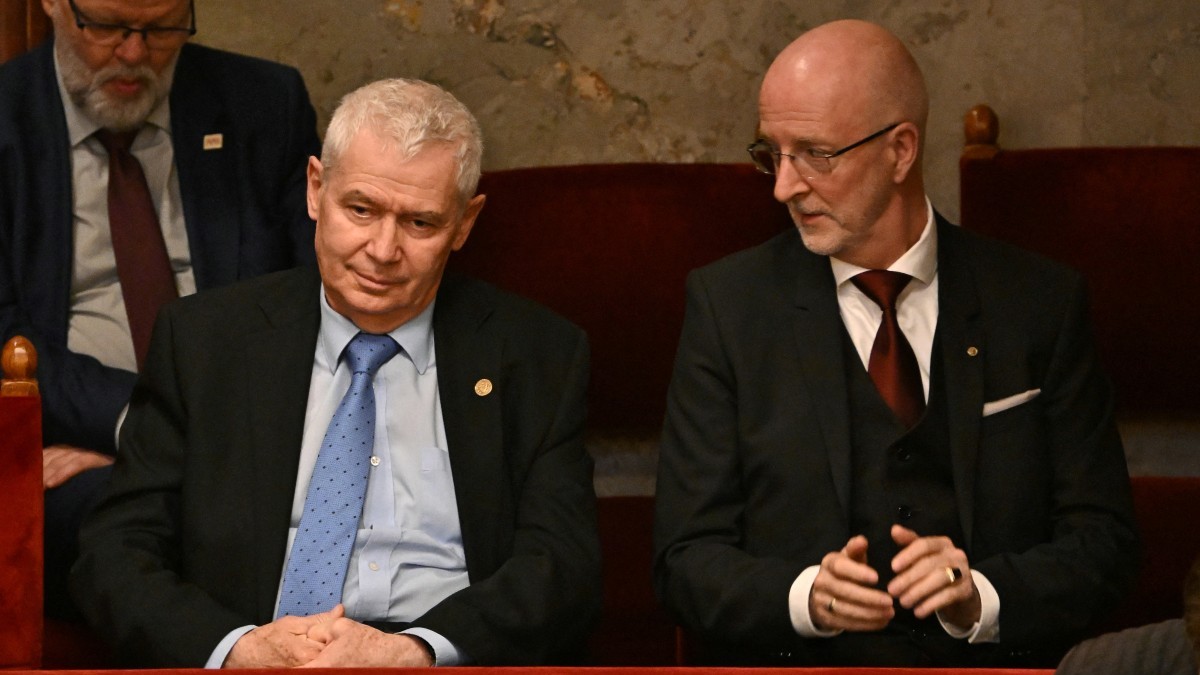
The new prime minister, Péter Magyar has called for the resignation of several senior public officials appointed under the previous conservative government, including Constitutional Court President Péter Polt.
He has also threatened to remove the country’s president, Tamás Sulyok if he does not step down voluntarily.
In response, Sulyok has formally asked the Constitutional Court to give its opinion on the government’s planned constitutional changes.
At the same time, Constitutional Court President Péter Polt has published a legal study arguing that the independence of judges and constitutional judges must be protected from political pressure.
Referring to rulings by the European Court of Human Rights, the Court of Justice of the European Union, and opinions of the Venice Commission, Polt argued that the removal of judges or constitutional judges should not be based on the content of their decisions or changing political majorities.
The government, which is clearly intent on pursuing a witch hunt against the conservative opposition and figures appointed by the previous government, is now risking undermining the independence of Hungary’s democratic institutions.
Similarly to Donald Tusk’s leftist-liberal government in Poland, which is applying the principle of “militant democracy” to defend liberal democracy against its right-wing opposition, Magyar Nemzet believes that Péter Magyar is implementing a model of “militant rule of law” by bypassing current legislation to deliver the required outcome—which could set a dangerous precedent.