In Lviv, Ukraine, a crowd confronted several military recruitment officers on Wednesday, surrounding their vehicle and engaging in a physical altercation, after a man wanted for failing to comply with his military registration obligations was detained by the officers.
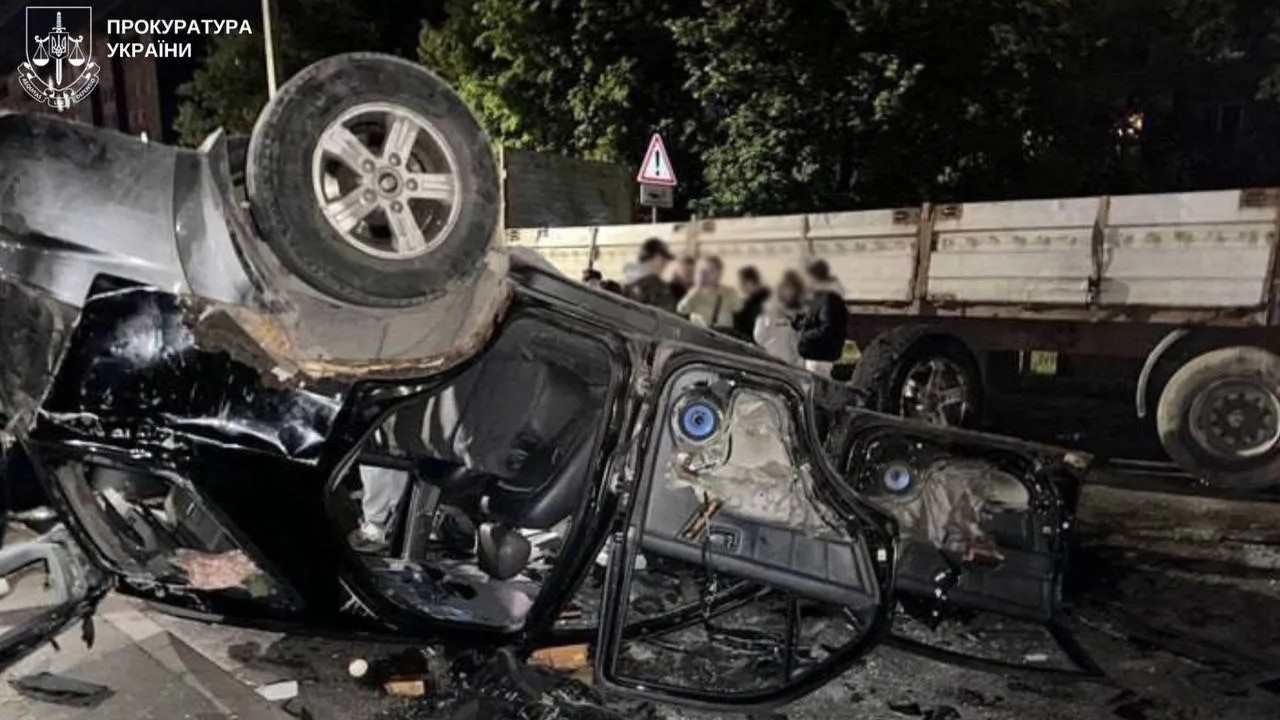
The incident took place in the Sykhiv district, far from the front line and in one of the cities that has most clearly supported the Ukrainian national cause since the Russian invasion. Videos show dozens of people striking and jumping on the vehicle belonging to the Territorial Recruitment Centre, known as the TCC, and struggling with those who were inside. The van was at one point set on fire and burned out completely, according to images shared by Ukrainian prosecutors.
Riots in Lviv over the brutal forced conscription financed by NATO.
— Glenn Diesen (@Glenn_Diesen) July 9, 2026
– The majority of Ukrainians want immediate negotiations to end the war. They are obviously not in the minds of our political-media establishment, who claim to "stand with Ukraine", while boycotting diplomacy and… pic.twitter.com/OjlpjdBkRu
It was neither an organised demonstration nor an uprising spreading across Ukraine. It was a localised outburst. But it is precisely because it occurred in Lviv, a stronghold of Ukrainian nationalism, that the episode is significant.
The authorities opened criminal investigations into obstruction of the Armed Forces and assaults on military personnel. Lviv mayor Andriy Sadovyi described what happened as “shameful behaviour,” although he acknowledged that it was “a symptom.” The General Staff also promised to examine the conduct of the recruitment officers, not merely the violence of the crowd.
The “symptom” Sadovyi was referring to has been visible for some time, both on the streets and across social media. Videos of men being forced into vans—a practice popularly known as “busification”—have eroded the legitimacy of the system. Not all the footage has been verified, but the problem cannot simply be dismissed as disinformation.
🚨🇺🇦 Two more forced Ukrainian conscriptions caught on camera – more young men sent off to die in the US proxy war, against their will.
— Concerned Citizen (@BGatesIsaPyscho) June 16, 2024
Our Politicians don’t care one bit about Ukraine – if they did they would call to stop this & call for peace. pic.twitter.com/xD7UnAmIVZ
Ukraine’s human rights commissioner, Dmytro Lubinets, received 6,127 complaints concerning possible violations during mobilisation in 2025. There had been only 18 in 2022, followed by 514 in 2023 and 3,312 in 2024. Lubinets has denounced unlawful detentions, beatings, superficial medical examinations, and masked officers operating without body cameras.
Brussels has so far made no public response to the incident. The European Union nevertheless maintains an unequivocal policy of military support: it has mobilised €77 billion for defence and approved a €90 billion loan for 2026 and 2027, of which €60 billion is earmarked for military needs.
European aid does not formally require Kyiv to reject peace negotiations, but it does sustain its ability to prolong the war effort. Brussels demands democratic safeguards from candidate countries while avoiding any comment on the methods used to find the manpower that this war requires–perpetuating a war that some say may be fought until the last Ukrainian.