European pressure on Pakistan continues to grow amid the country’s internal conflicts.
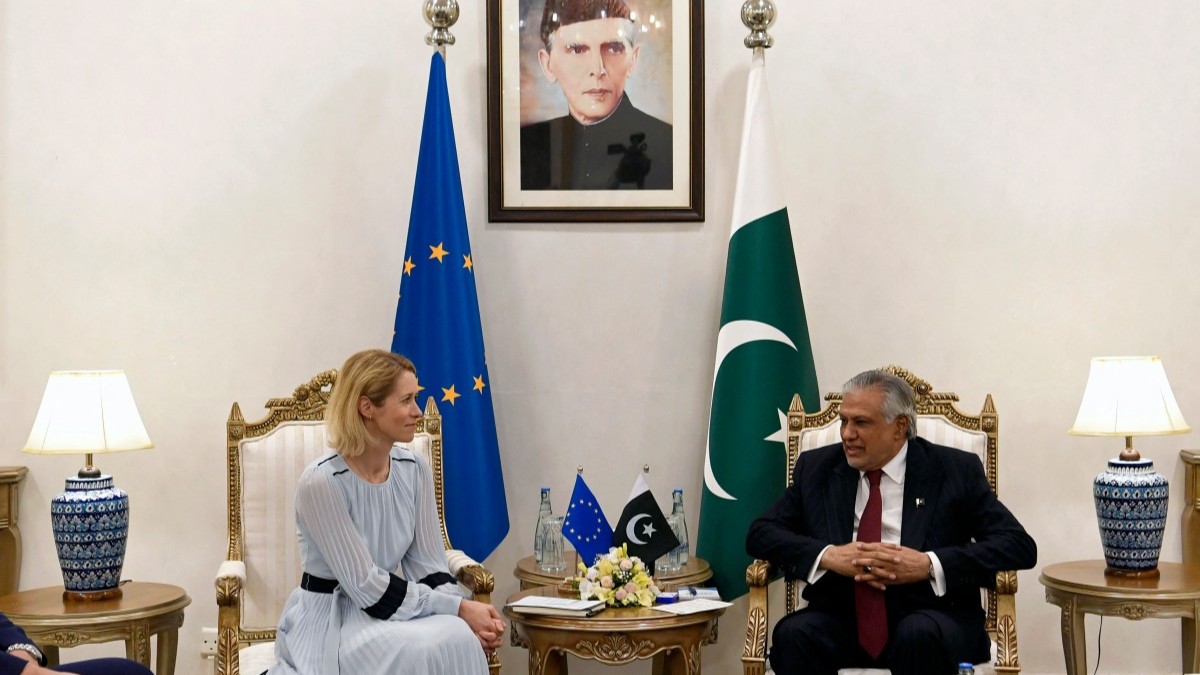
After months of warnings over enforced disappearances, freedom of expression, minorities, and political repression, representatives of the European Parliament and the EU delegation in Islamabad have begun delivering a very clear message: signing conventions and passing laws will no longer be enough to preserve privileged access to the European market.
In early September, Spanish MEP Sandra Gómez López (S&D) questioned in the European Parliament’s Subcommittee on Human Rights the value of Islamabad’s commitments if they are not accompanied by deadlines, measurable objectives, and consequences when impunity persists.
🇪🇺 Grateful to @SanGomezLopez (S&D, DROI Subcommittee) for pressing exactly the right question at today's @EP_HumanRights hearing: what good are commitments from Islamabad without specific, measurable timeframes and real consequences for impunity?
— PWA – Pakistan World Alliance (@MediaCentrePWA) September 4, 2026
She's right to raise it.… pic.twitter.com/cczVNehDae
Two days later, the EU ambassador to Pakistan, Raimundas Karoblis, said the country was at a “very critical moment” and warned that the future of GSP+ was “far from guaranteed” without credible and verifiable progress.
The tougher rhetoric matters because Pakistan is the programme’s largest beneficiary.
The country has benefited from GSP+ since 2014. In 2024, around €7.5 billion worth of its exports were eligible for the preferences, while more than €7.1 billion actually used them, representing a utilisation rate of close to 95%. The European Commission estimates that Islamabad saved around €732 million in tariffs that year.
Textiles and garments account for approximately 70% to 76% of Pakistani exports to the EU. Losing the scheme could result in additional tariffs of between 9% and 12%to certain textile products.
The European Commission’s latest report, covering the 2023-2025 period, helps explain why Brussels is hardening its tone.
The document acknowledges progress, including legislation against torture, a reduction in the number of offences punishable by death, and the continuation of the moratorium on executions. But it also concludes that Pakistan has moved backwards in several important areas.
These include enforced disappearances, extrajudicial killings, freedom of expression, pressure on journalists, minority rights, judicial independence, and the persistence of forced labour.
The central problem is impunity.
The Commission notes that there have been no convictions for enforced disappearances. The Pakistani commission responsible for investigating such cases also registered 273 new cases in 2025, while human rights organisations argue that the true figure is higher.
Islamabad rejects that assessment. Its Foreign Ministry argues that the European report “does not provide a sufficiently balanced picture” and insists that Pakistan remains committed to the international conventions linked to GSP+.
The timetable adds further pressure.
The EU’s new scheme will begin to apply on January 1, 2027, and will increase from 27 to 32 the number of conventions that beneficiaries are required to comply with. Pakistan will temporarily retain its current status until the end of 2028, but will then have to submit a new application under stricter rules.
For now, there is no European ultimatum to withdraw the trade preferences immediately.