Britain Quietly Eases Russian Energy Sanctions
Ministers insist the move is only temporary, but the new licences allow more Russian-linked fuel into Britain as energy prices rise.


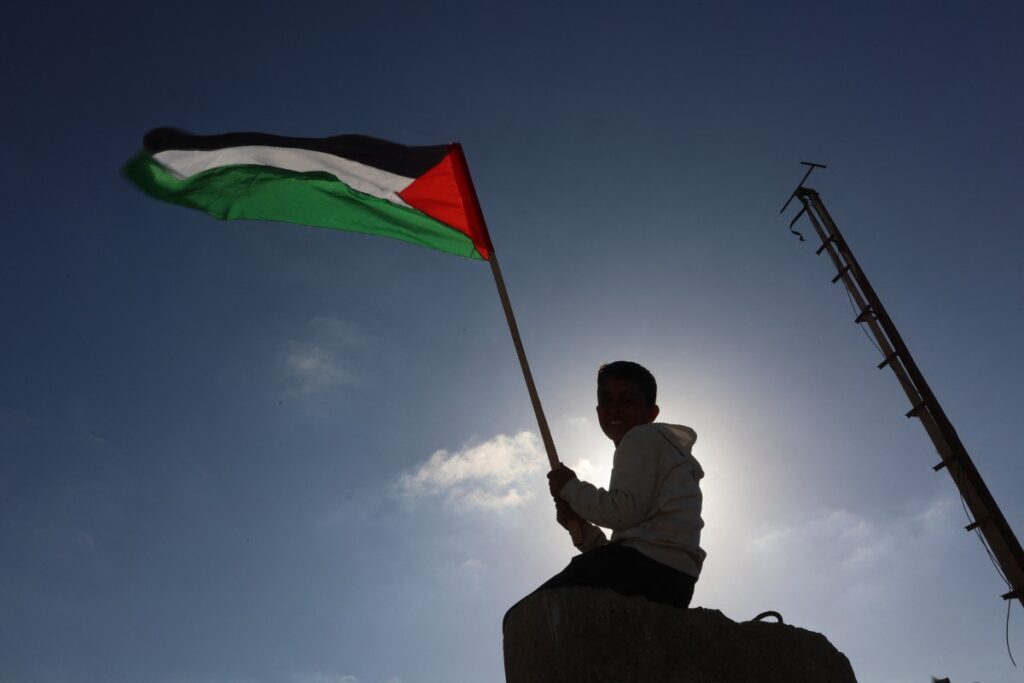
As Israel defends its strict maritime blockade and accuses activists of supporting Hamas, leaders from Turkey and Ireland have strongly condemned the interception of the 50-boat Global Sumud mission.
Campaigners say that “more will follow.”
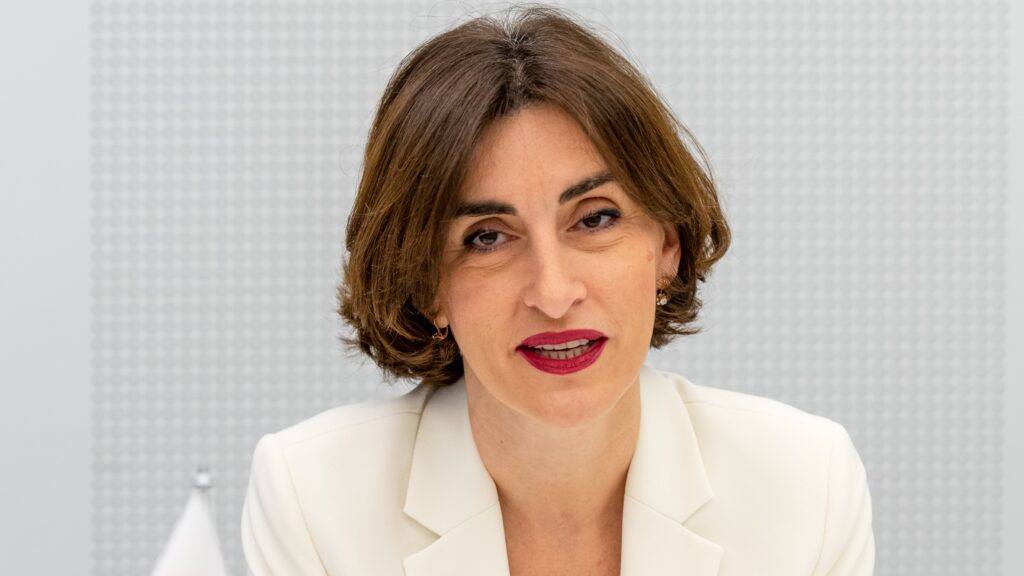
The meeting followed a recent exchange between Georgian prime minister Irakli Kobakhidze and Ukrainian president Volodymyr Zelensky on May 4th.
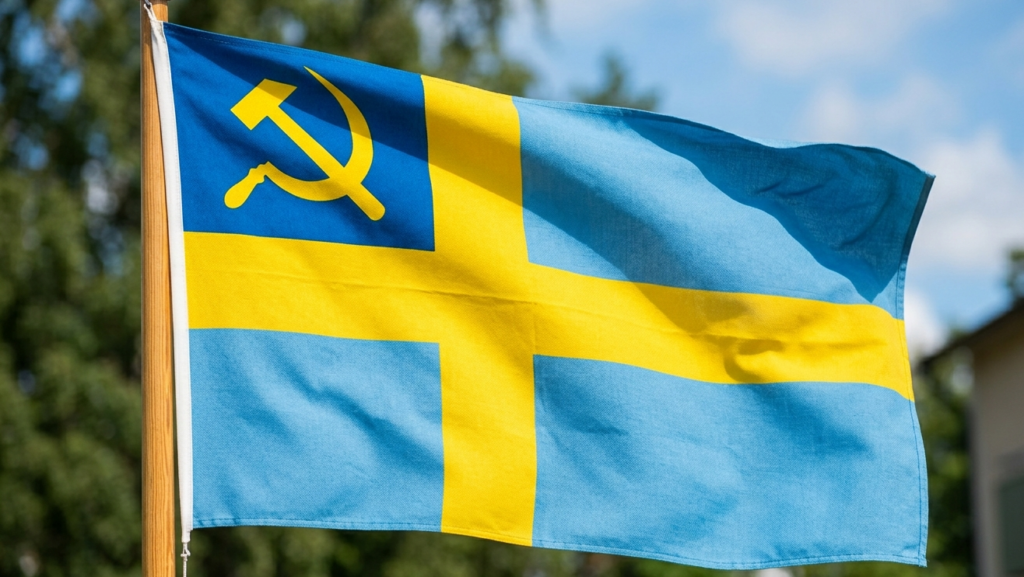
Another wave of media stories tries to portray Sweden as a reborn haven for capitalism. Nothing could be further from the truth.

The investigation into a controversial COVID-era airline bailout is piling fresh pressure on Pedro Sánchez’s Socialist government.
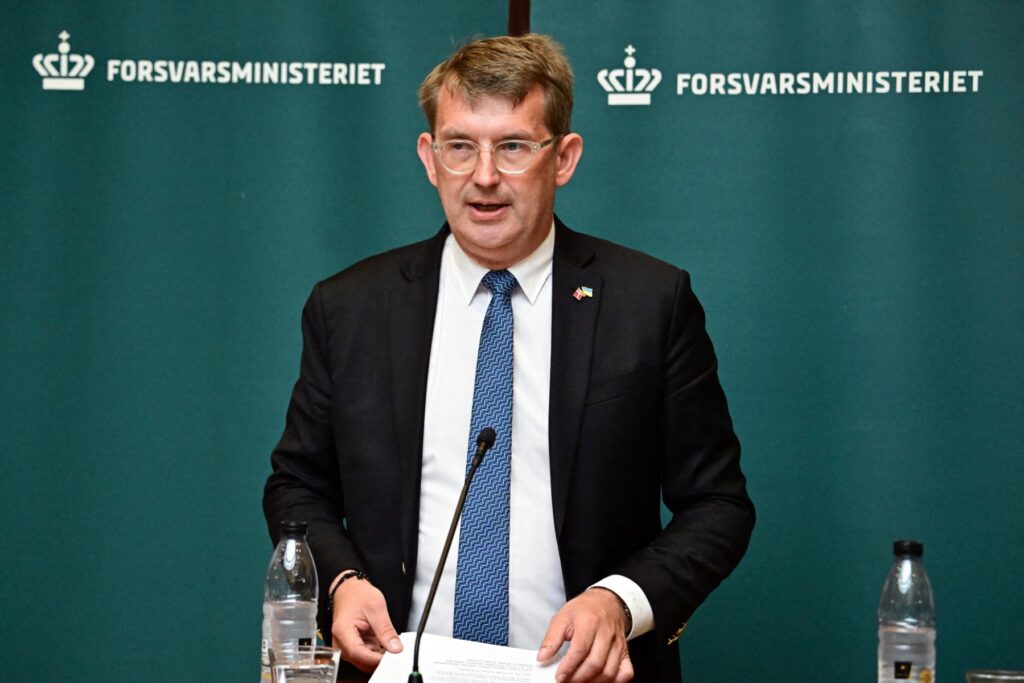
Expressing frustration at the prolonged negotiations, Troels Lund Poulsen announced from Copenhagen that he hopes to govern without a parliamentary majority—by appealing to non-coalition parties on key reforms.
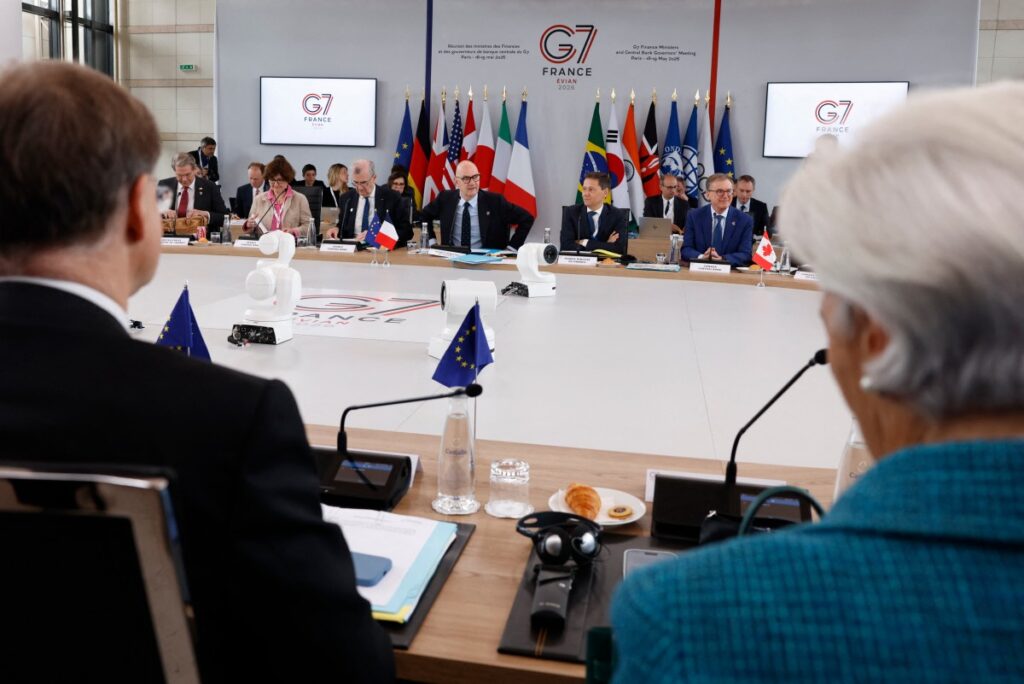
Brussels’ economics commissioner has strongly criticised the decision to extend sanctions waivers on Russian oil, warning that it risks easing pressure on Moscow.
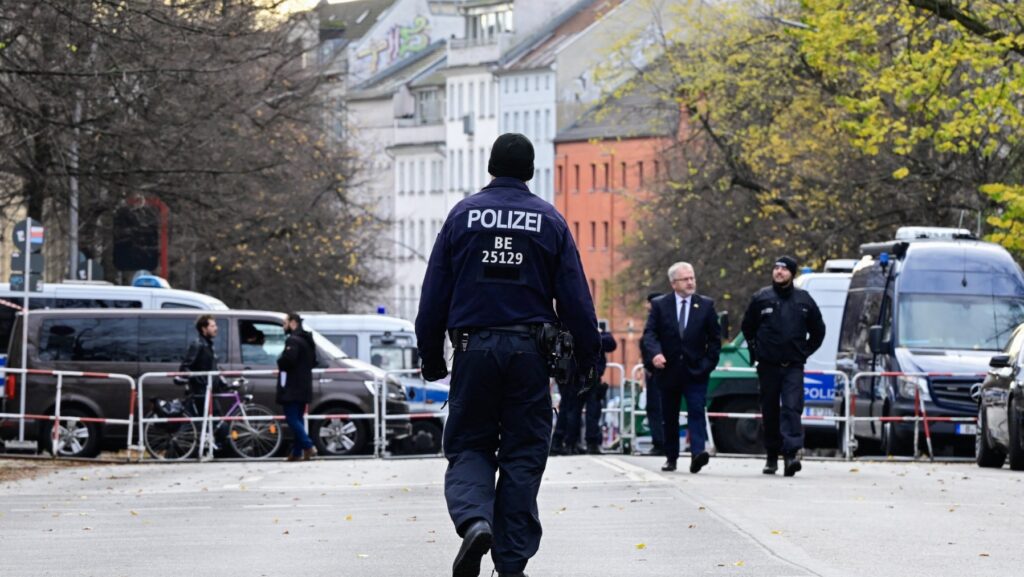
European security services are investigating suspected Iran-linked attacks on synagogues, Israeli sites, and opposition groups.
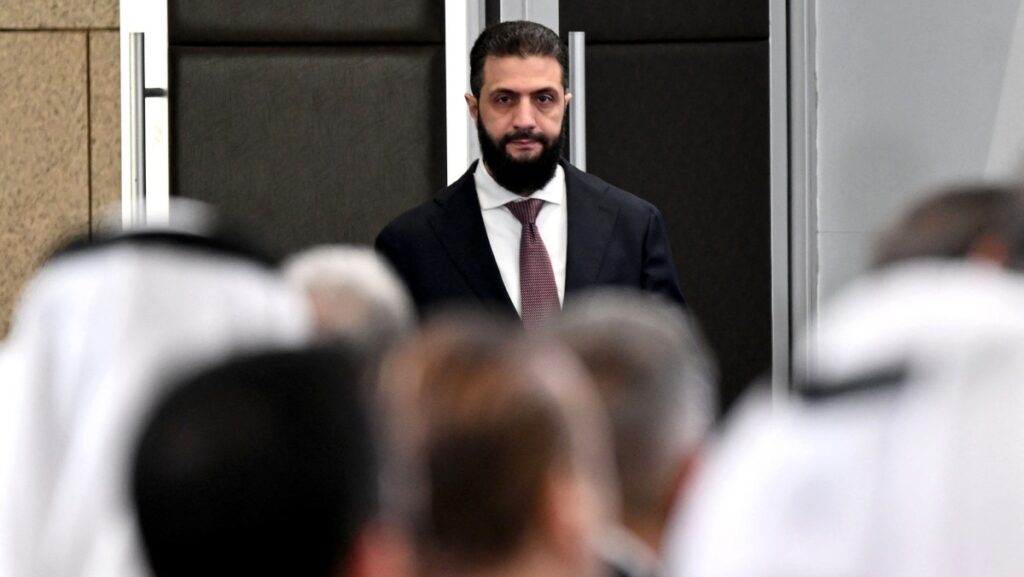
EU governments increasingly see Syria’s stabilization as key to reducing immigration across Europe.
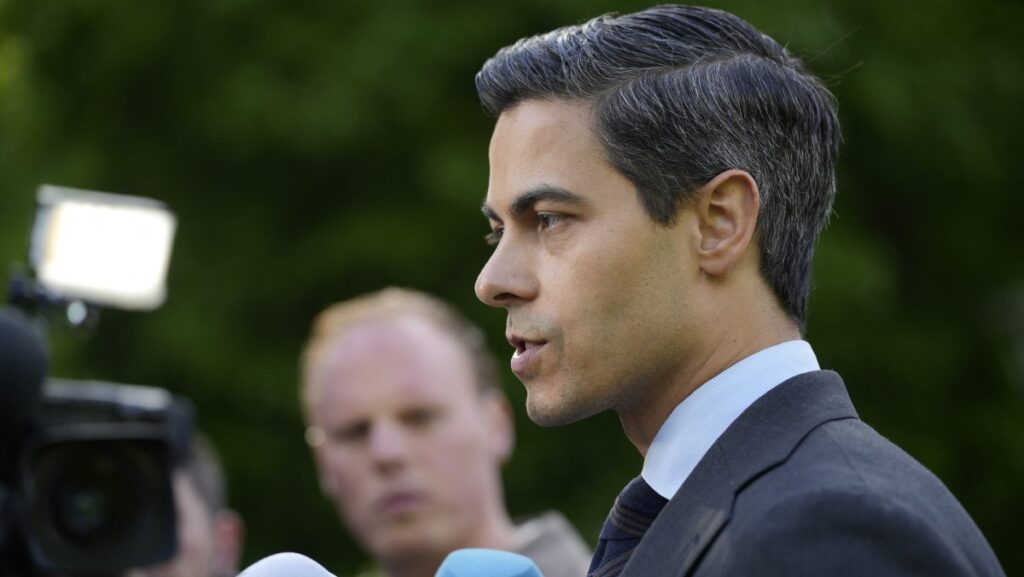
One commentator asked whether the safety concerns of local residents were now being ignored entirely.
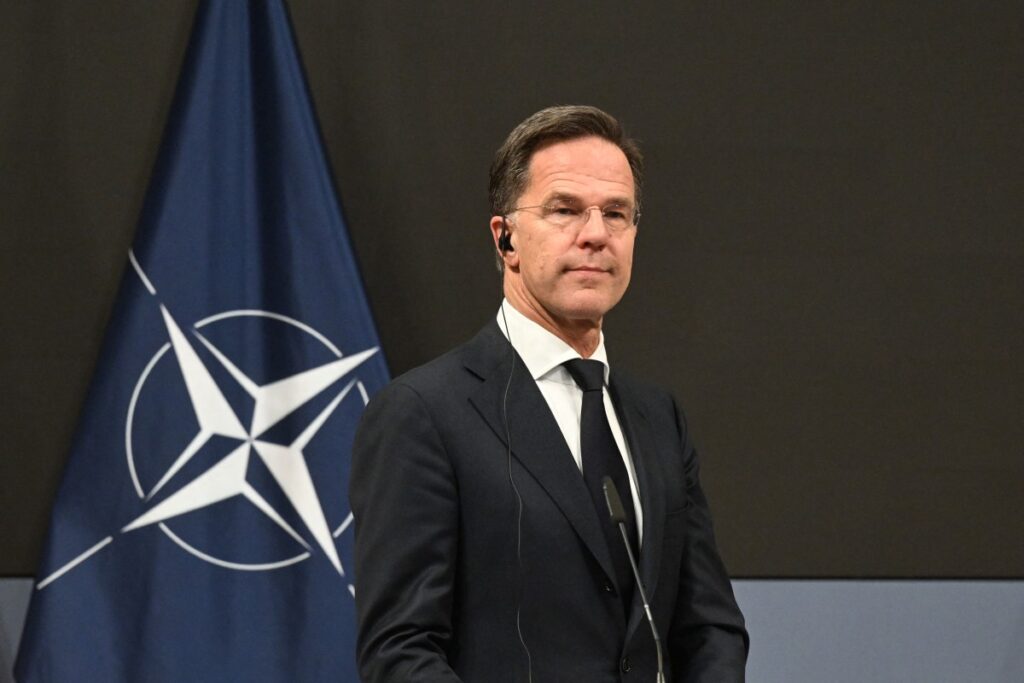
The cost of the Middle East conflict has alarmed NATO, whose leaders warn that the rapid consumption of high-end defence systems could jeopardise European security guarantees.
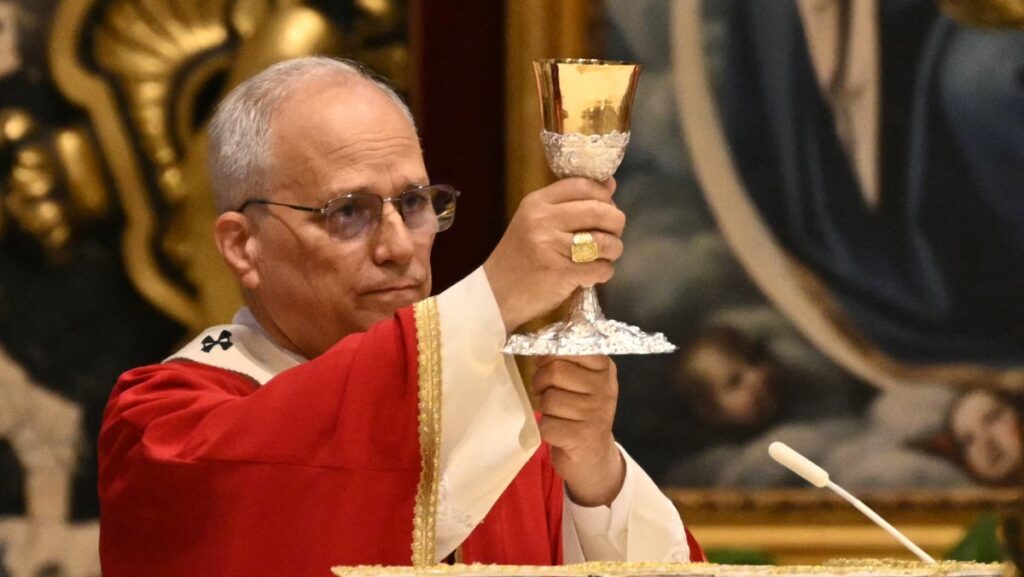
The pope’s first encyclical will address fears that artificial intelligence is transforming human life faster than moral and political institutions can keep up.