
The Eco-Socialist Dream Is Going to End Ugly
No system limits political power more effectively than the free market. Policymakers in Brussels, Berlin, Paris, and London know this—which is why its defenders are systematically ridiculed.

No system limits political power more effectively than the free market. Policymakers in Brussels, Berlin, Paris, and London know this—which is why its defenders are systematically ridiculed.
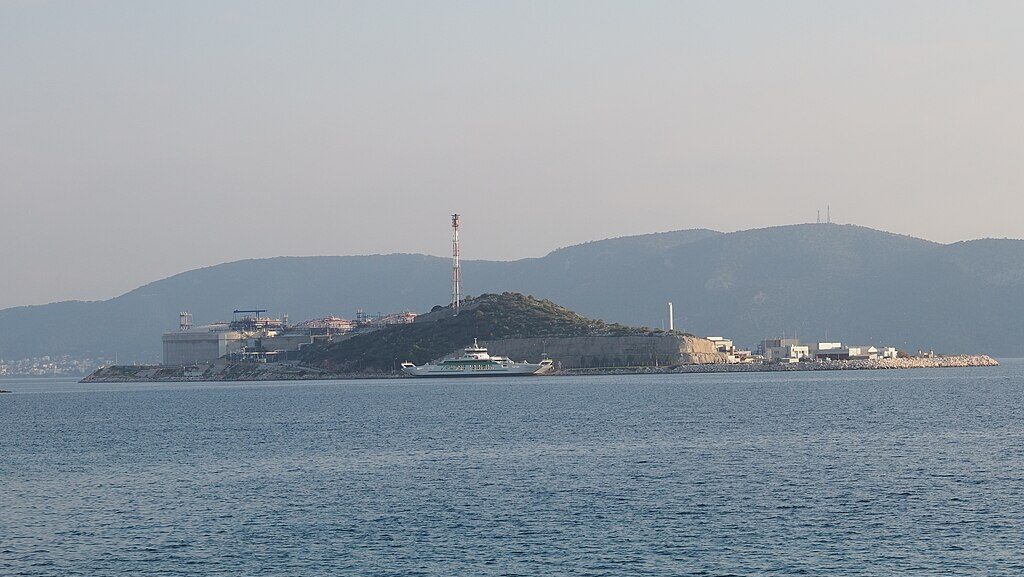
Through consistent investment, reliable partnerships, and a clear commitment to stability, Greece has positioned itself at the heart of Europe’s emerging energy architecture.
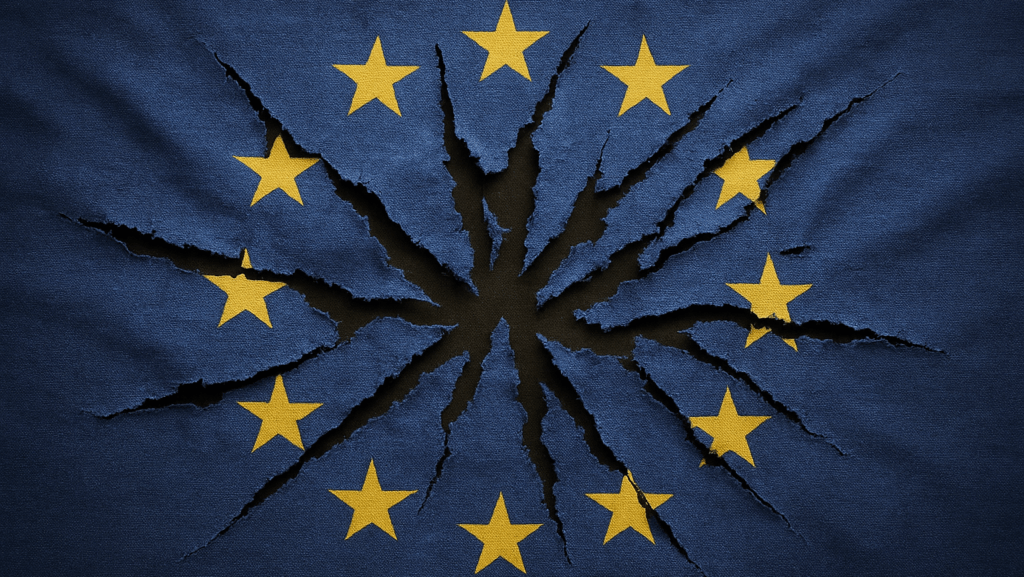
As part of his spat with the EU bureaucracy, the X owner has called for the abolition of the EU. What if his wish was somehow granted?
After losing 25% of its economy to austerity policies, Greece has been suffering in poverty for a decade. Now, starting with a promising idea, the government in Athens aspires to rebuild the country.
The language has changed, the uniforms have changed, but the underlying assumption—that sovereignty is a problem to be managed, not a right to be exercised—remains the same.

The incentives are plain: the CDU/CSU–SPD majority has no reason to risk its power by triggering a recount.

The leak of an alleged plan by the opposition to raise taxes drastically sharpens the contrast between two choices in the April elections.

The conflict pits an older social-paternalist national conservatism against a younger, libertarian-nationalist, anti-system Right.

‘A preferential option for the poor’ is a pithy phrase that hides the complexity of the Church’s social teaching and also the considerations that lead to better outcomes.

It’s time to finally reflect on the difficult legacy of Russian post-communism.

The Italian economy is neither better nor worse thanks to Meloni’s government. With the next election less than two years away, the time to put conservative policies to work is now.
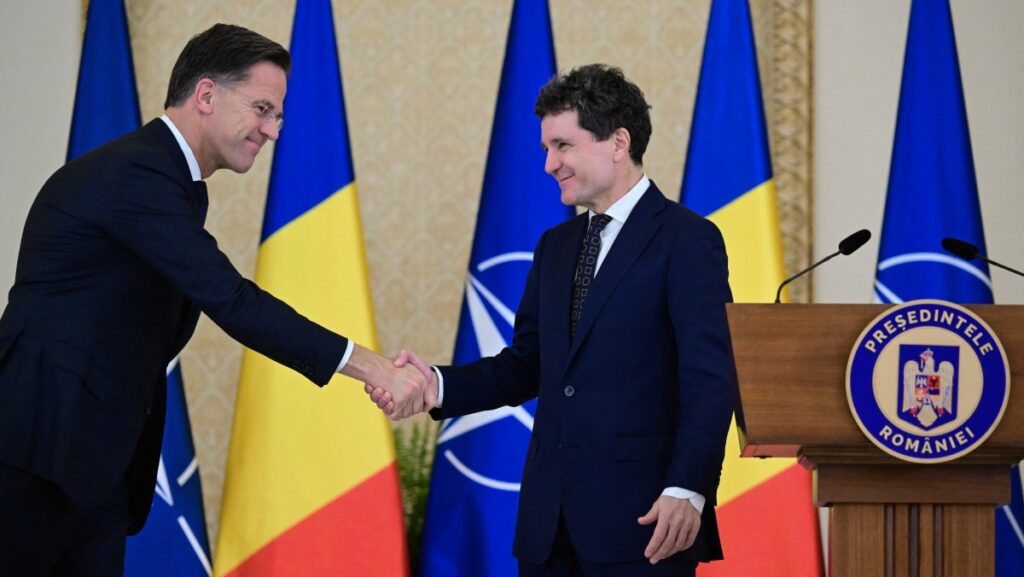
While Romania is obedient, Hungary fills the regional vacuum not because it is the most powerful state, but because it has the confidence to speak when others hesitate.

The impersonality of major digital operators generates a vacuum of responsibility that conflicts with the fundamental rights enshrined by the European Union.

Atheism and the erosion of moral order demand a resolute response of fervent faith, for even the most beautiful forms of Catholic culture alone will not suffice.

As with the debate on gun control, the problem doesn’t disappear: those who want to commit crimes will continue doing so—only now, everyone else will be watched.

What superficially looks like a mixed bag of good and bad news is in reality a depressing image of a continent slowly sinking into permanent economic stagnation.

Western mainstream media downplaying the violence against Christians are misleading their readers.

It will not matter whether the new mayor makes New York City dirtier and more violent; to his voters, his identity is the predominant factor.

If the EU is losing weight on the world stage, it is not because democracy is obsolete or values outdated; it is because ambition has outpaced ability.

The future strength of the Polish Right will hinge on turning big ideas into clean politics—and the government’s on turning unity into a credible plan.

Those who cry “Russia” nonstop should note that Hungary seeks strategic ties with the U.S. and that the summit’s outcomes matter for all of East–Central Europe.

There is a coordinated effort on the internet to portray the Fidesz government as an economic disaster for Hungary. Nothing could be further from the truth.