

‘Taxman’ Lives On: 36% on Money You Haven’t Made
From California to Norway, governments show reckless creativity in their pursuit of more revenue.

From California to Norway, governments show reckless creativity in their pursuit of more revenue.

AI development is dominated by a small number of Silicon Valley firms whose cultural and political orientations all favor a progressive consensus.
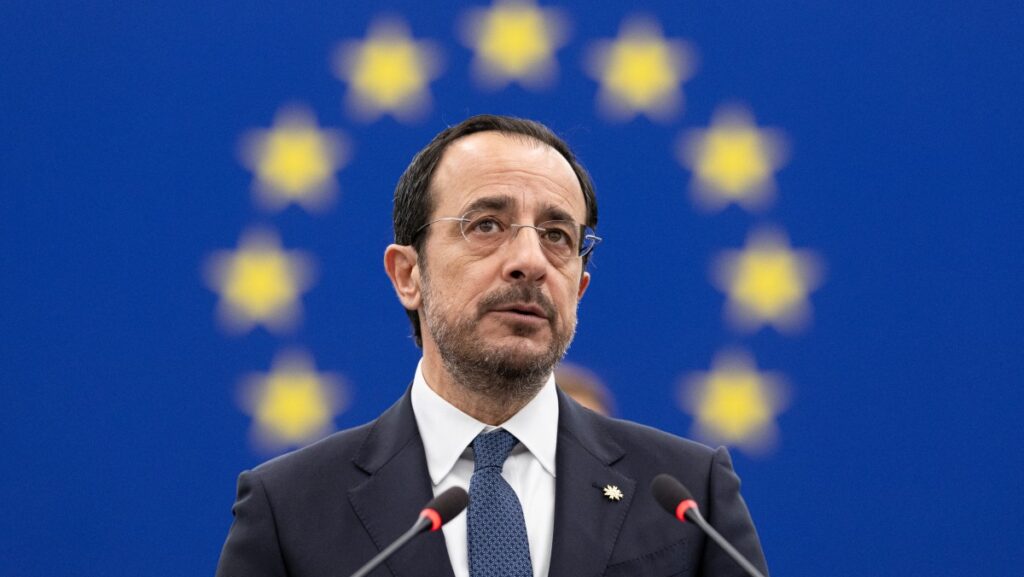
A small state can leverage its geography, diplomatic credibility, and regional expertise to strengthen Europe’s strategic role in one of the world’s most complex geopolitical arenas.
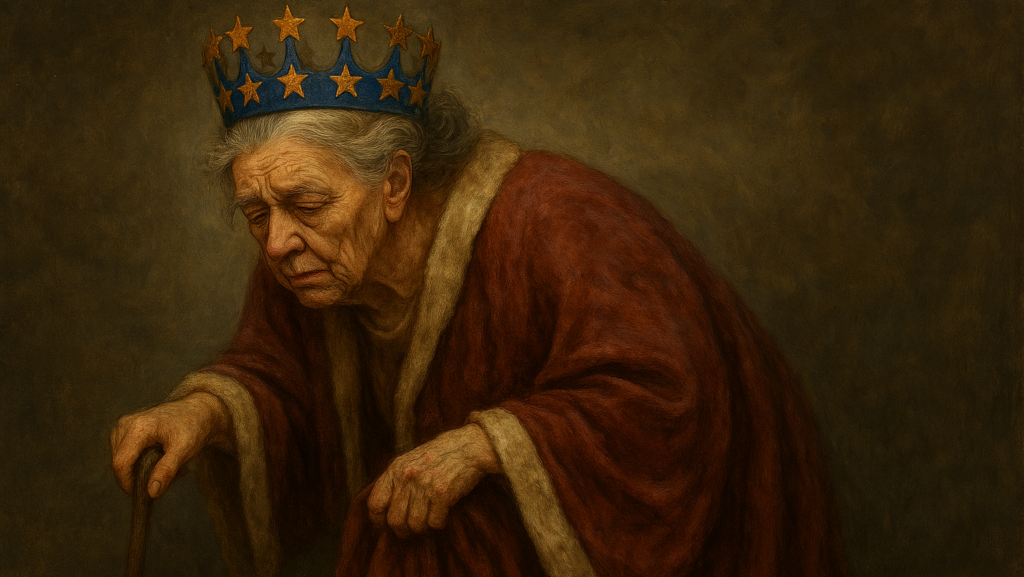
Half of all EU states are below 1% GDP growth with no improvement in sight.

The Holy See’s restraint appears as the result of an agreement that effectively restricts the Church’s prophetic freedom in confronting one of today’s most repressive regimes.

The reforms aim “to breed a new human being who will belong to the state—and only to the state,” critic and legal counsel Grzegorz Ksepko said.
The defence loan plan becomes another extra-treaty instrument of influence, using debt and budgetary leverage to shape national policy, Polish legal analysts say.
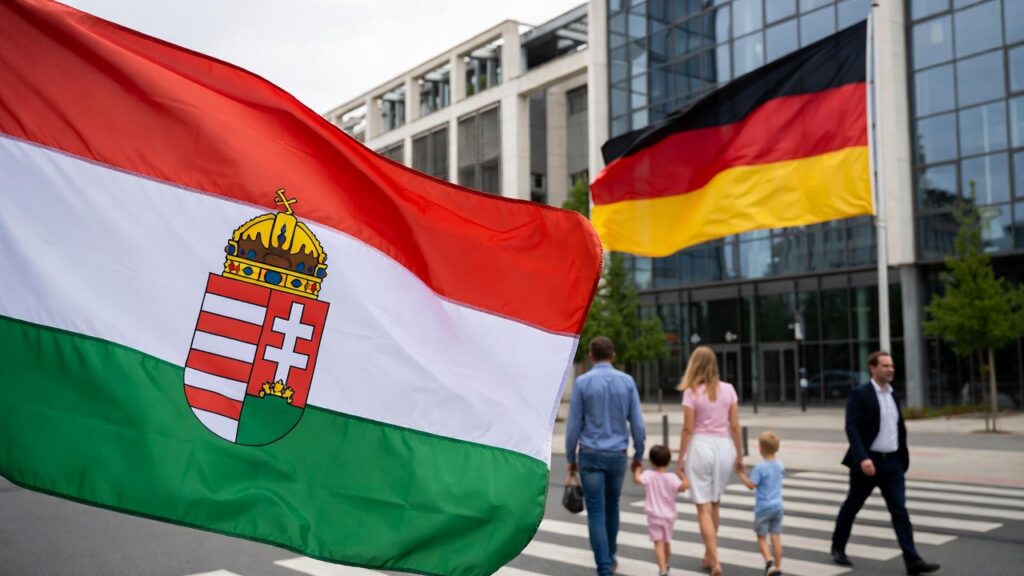
Almost 40 years after the fall of the Berlin Wall, we see the first big crack in the ‘democratic’ version of socialism, giving conservatives a historic opportunity to make Europe great again.
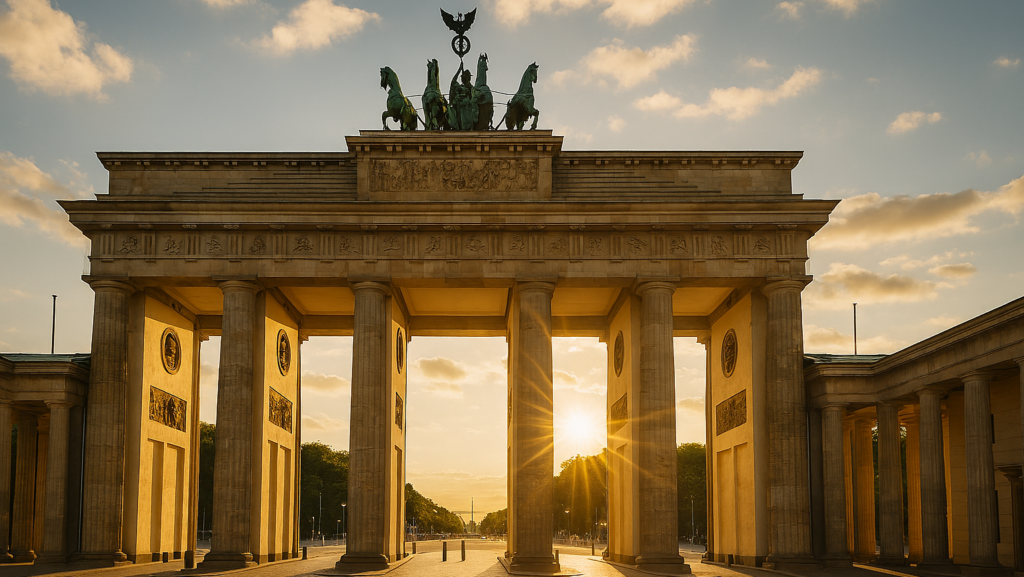
A large majority rejects the socialist welfare state as unaffordable. This is a golden opportunity to turn Germany in a more conservative, more prosperous direction.
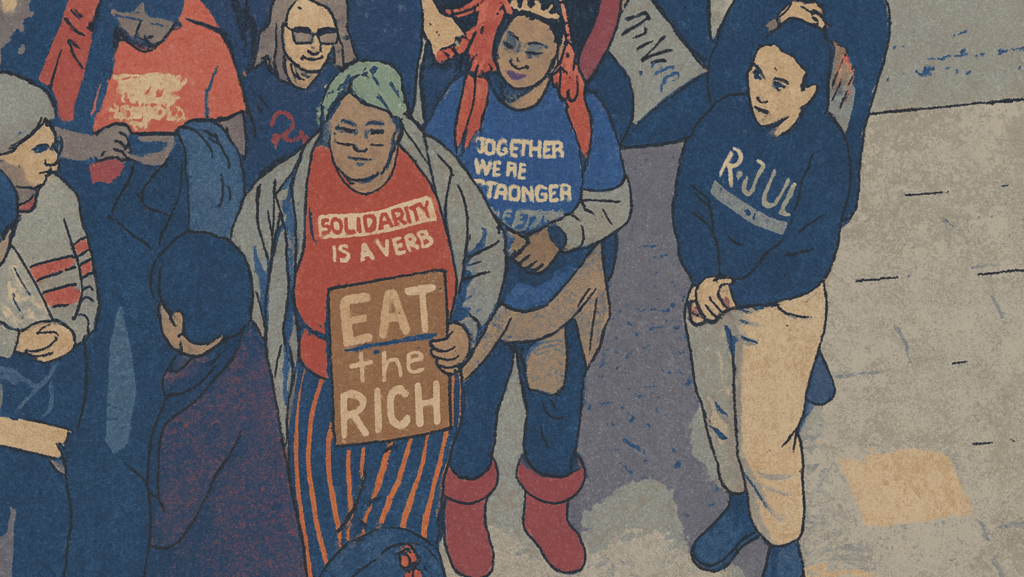
With most of the continent’s economies trapped between stagnation and decline, it is time to revive the forces that once made the West the greatest prosperity machine in history.
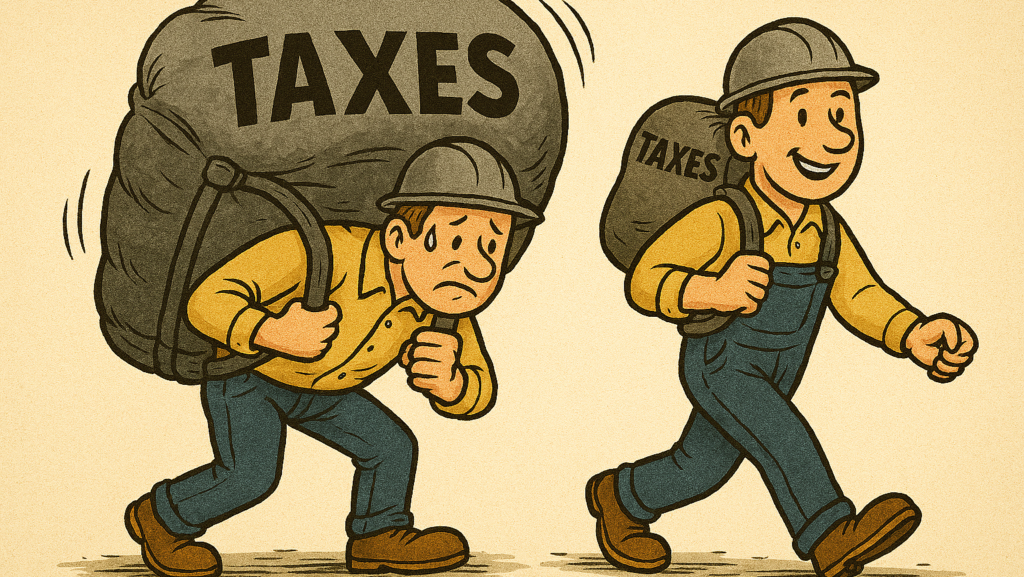
Europeans have not always paid the high taxes they pay today.
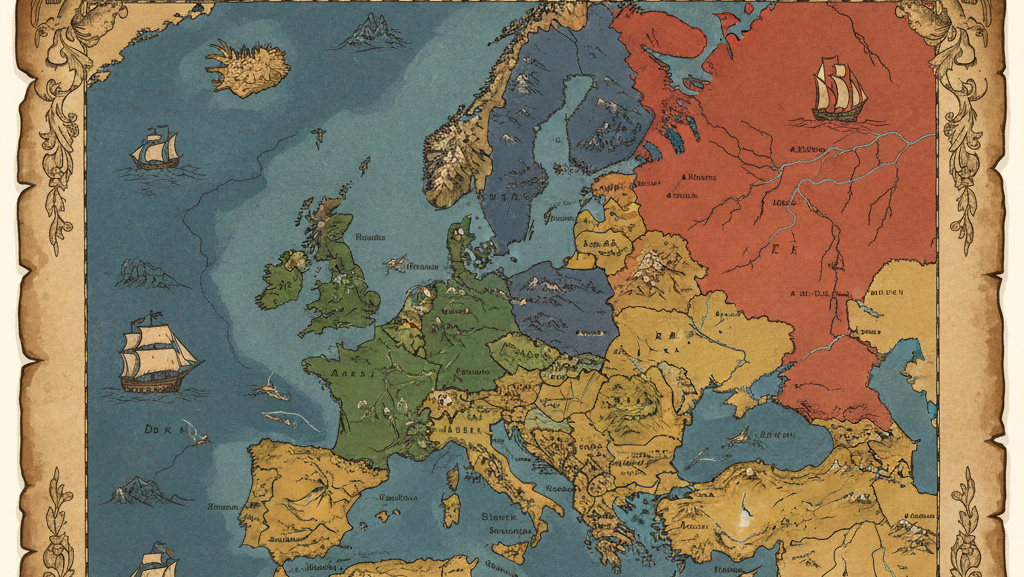
President Trump plays Europe’s political elite like a violin.
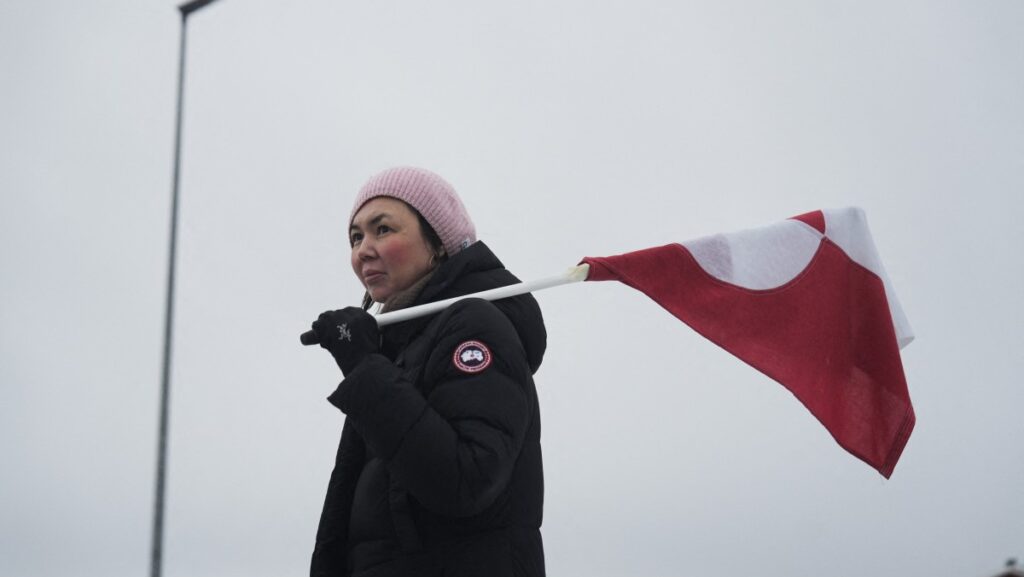
As the Arctic opens up, Greenland is becoming increasingly important for security, resources, and access to new shipping routes.
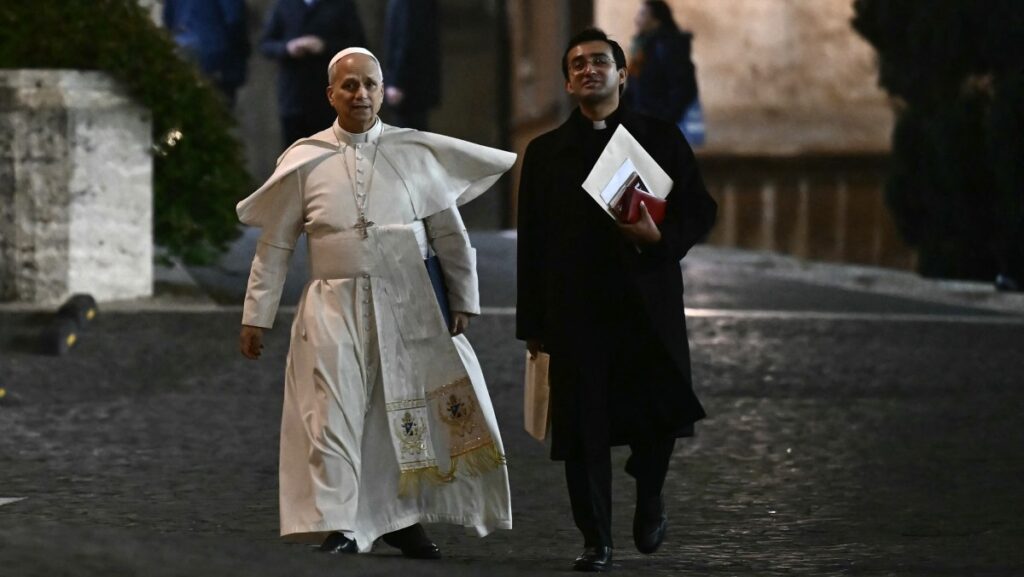
The challenges awaiting the Church in Europe are no longer episodic, but systemic.
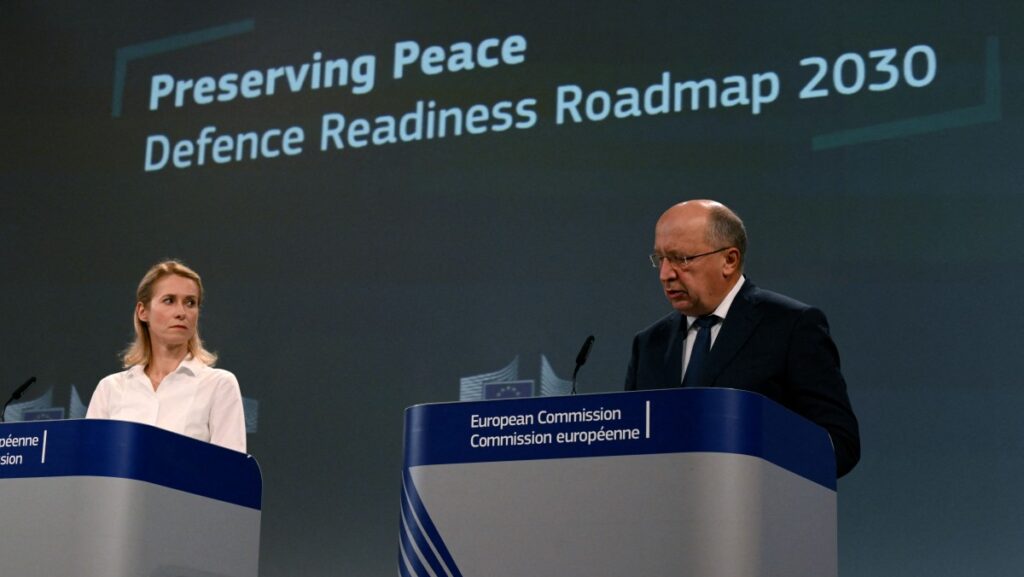
With a stagnant economy and debt costs already rising, Europe could not be in a worse position to plan a military buildup.
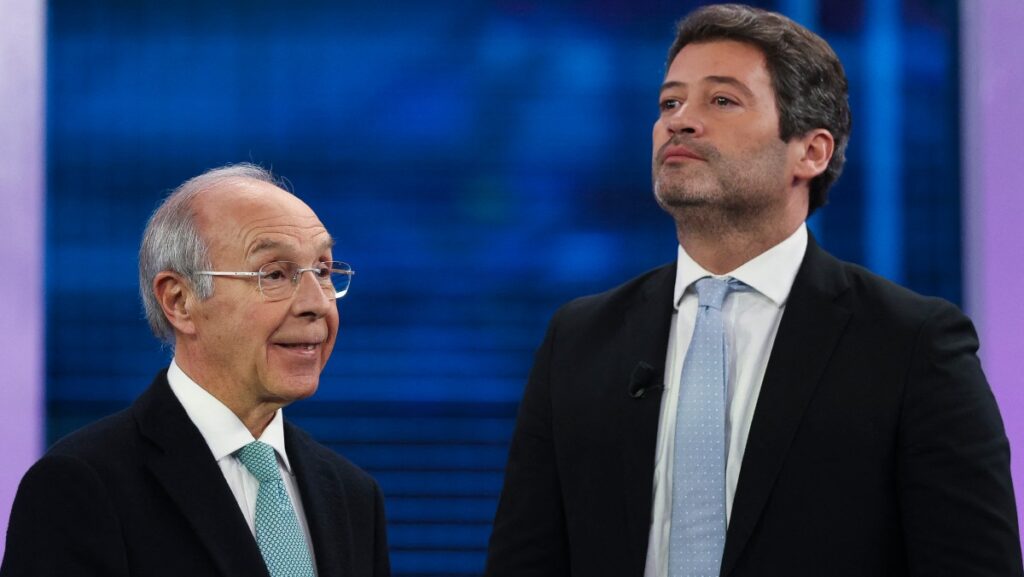
In 2026, identity and sovereignty are what actually matter. There’s only one candidate saying those words in Portugal—and that’s Ventura.
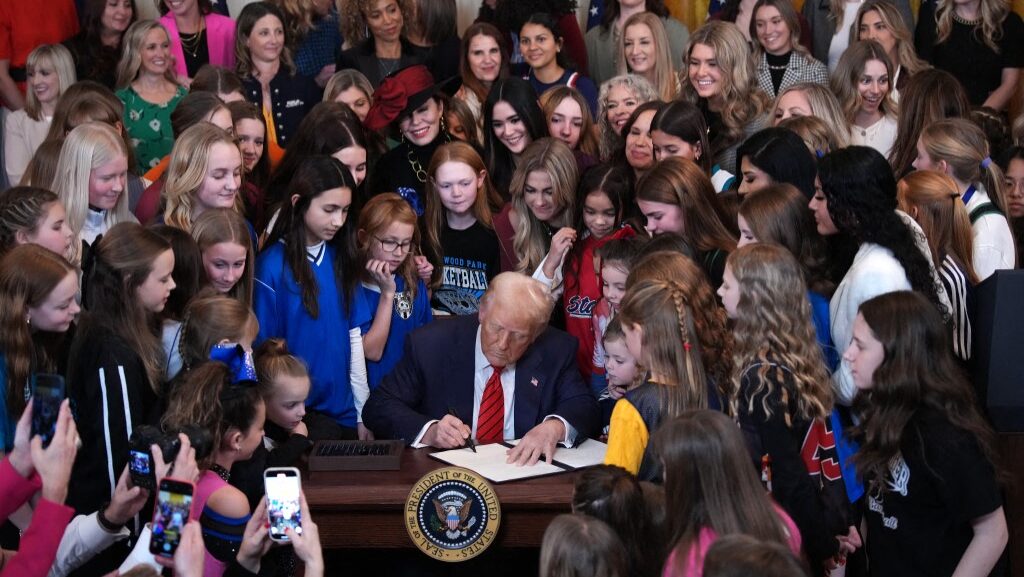
Once sex-based distinctions are treated as optional or discriminatory, the legal safeguards built around them weaken across society.
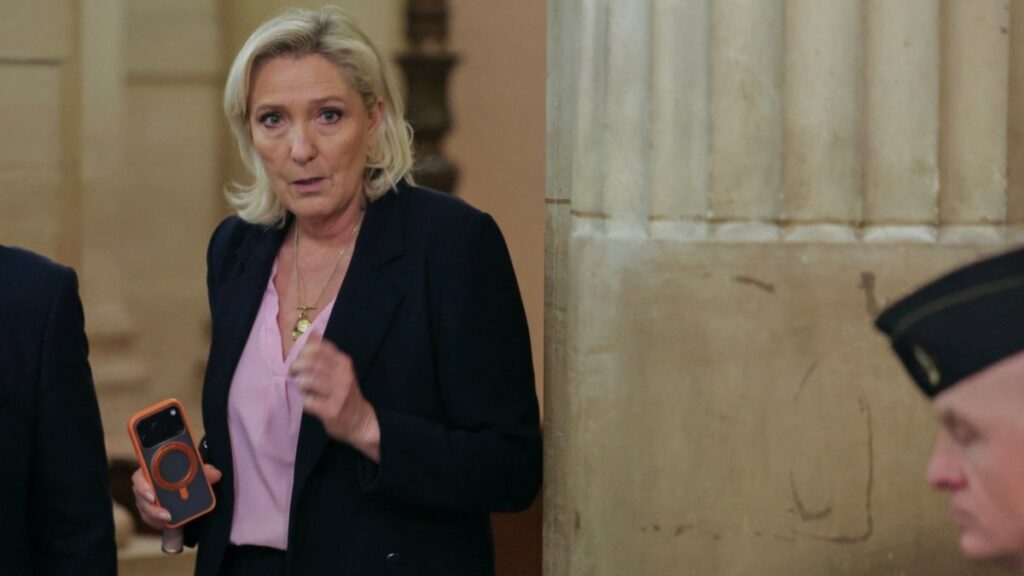
Marine Le Pen has one month to convince judges that she is not a threat to French democracy.

Flagship automaker Mercedes’ relocation of its production accelerates the decline of Western Europe as an industrial power.

Here are three ideas that could put Europe’s largest economy back on track again.

With its ‘circular’ vision, the European Commission demonstrates its complete detachment from economic reality.

Kyriakos Mitsotakis’ New Democracy may be forced to form a coalition, something the PM has repeatedly said he wants to avoid.