
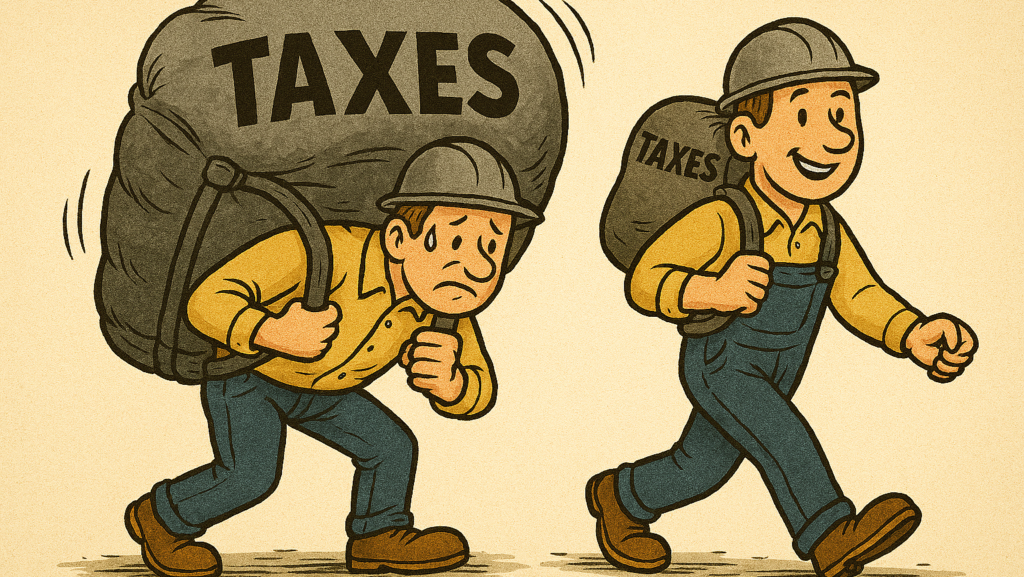
High Taxes Are Not Inevitable
Europeans have not always paid the high taxes they pay today.

Europeans have not always paid the high taxes they pay today.
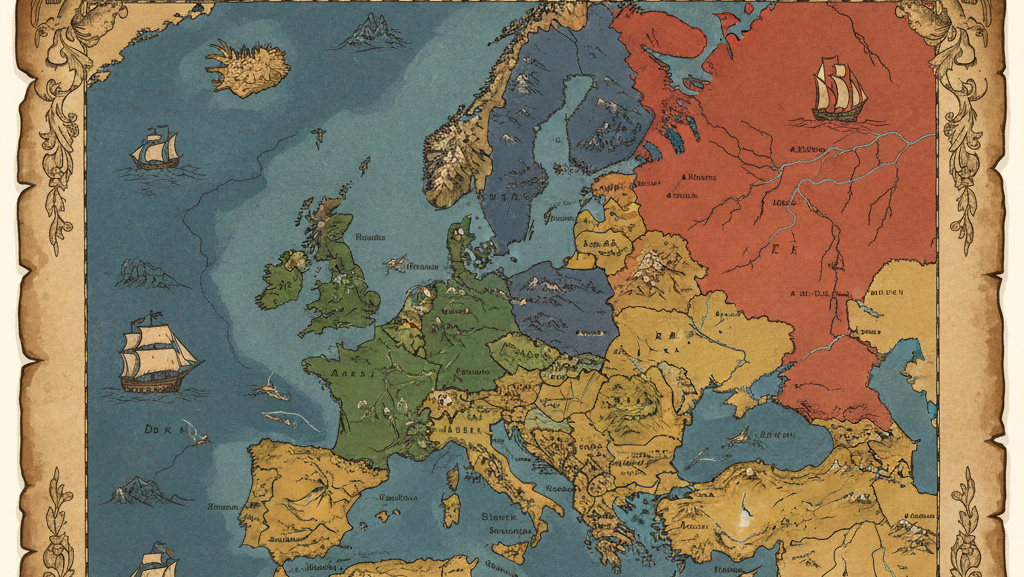
President Trump plays Europe’s political elite like a violin.
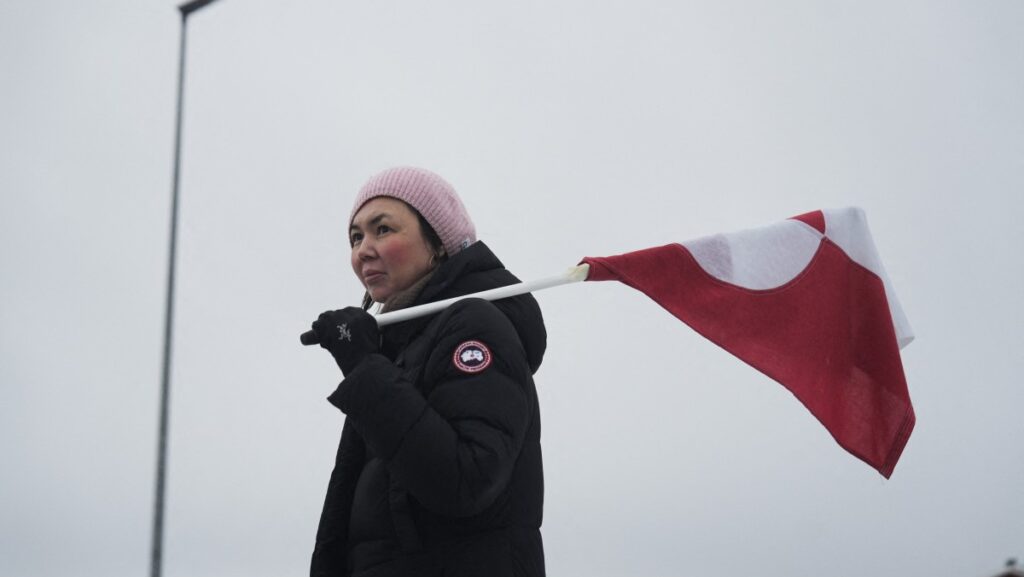
As the Arctic opens up, Greenland is becoming increasingly important for security, resources, and access to new shipping routes.
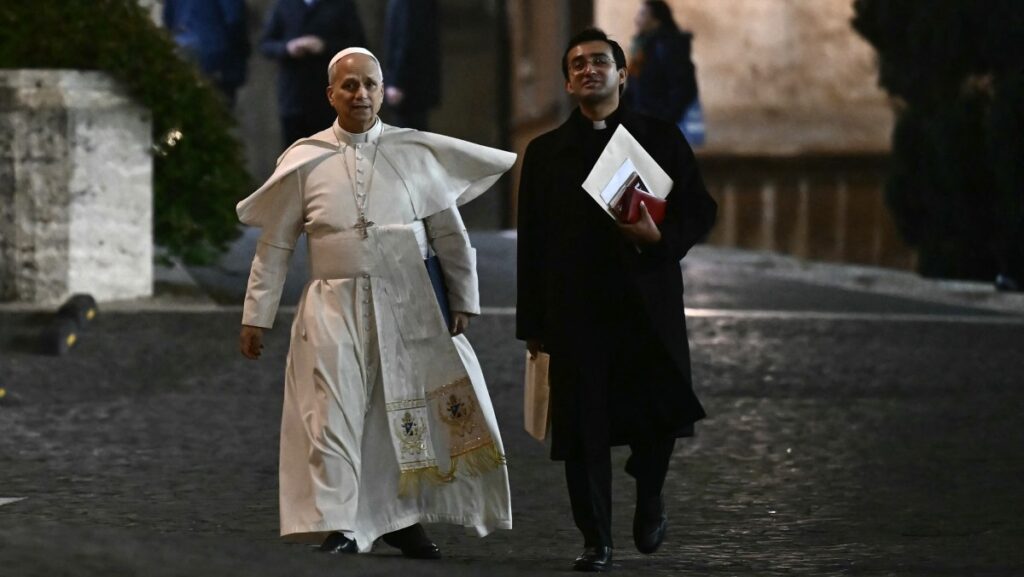
The challenges awaiting the Church in Europe are no longer episodic, but systemic.
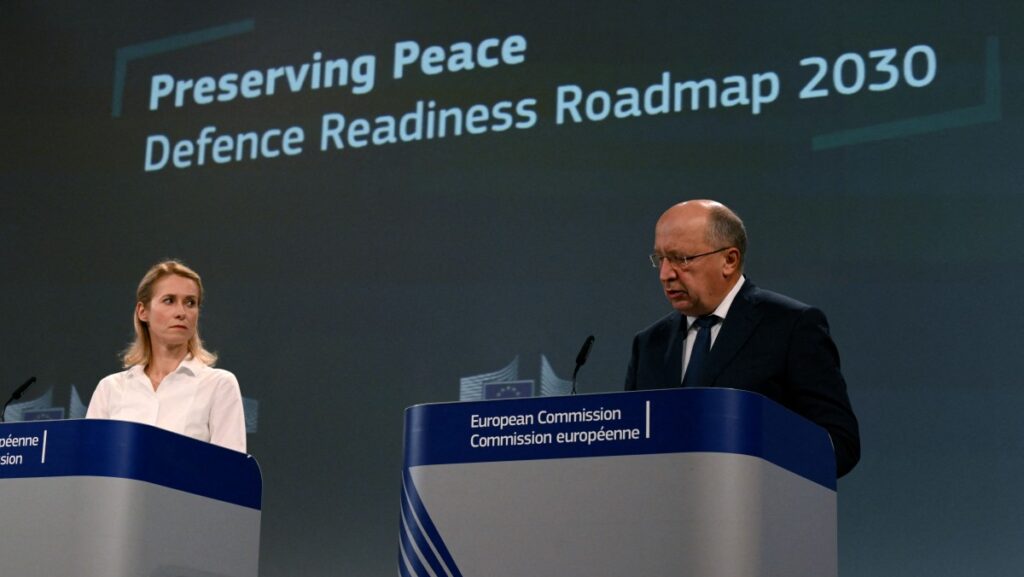
With a stagnant economy and debt costs already rising, Europe could not be in a worse position to plan a military buildup.
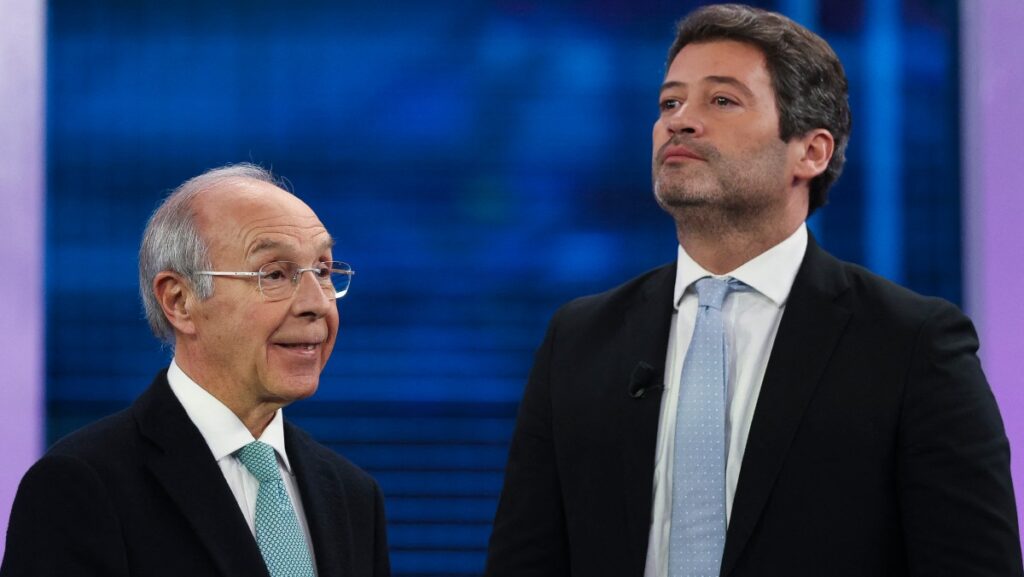
In 2026, identity and sovereignty are what actually matter. There’s only one candidate saying those words in Portugal—and that’s Ventura.
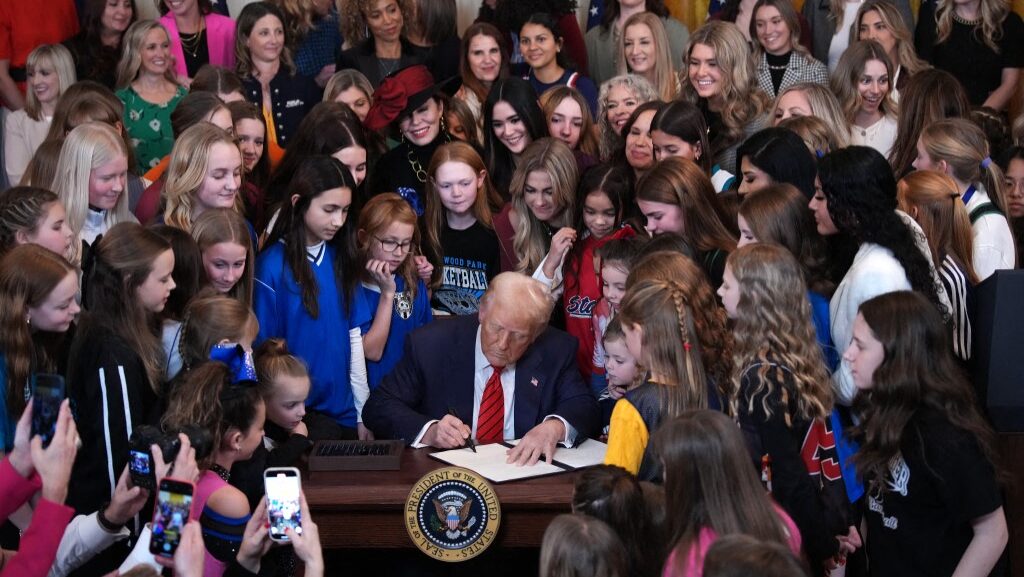
Once sex-based distinctions are treated as optional or discriminatory, the legal safeguards built around them weaken across society.
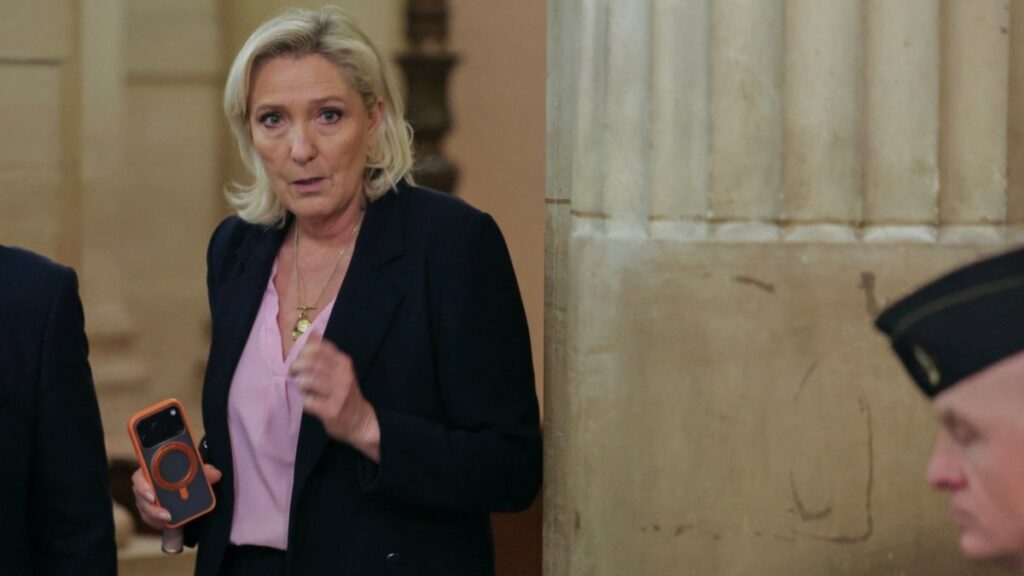
Marine Le Pen has one month to convince judges that she is not a threat to French democracy.

Flagship automaker Mercedes’ relocation of its production accelerates the decline of Western Europe as an industrial power.
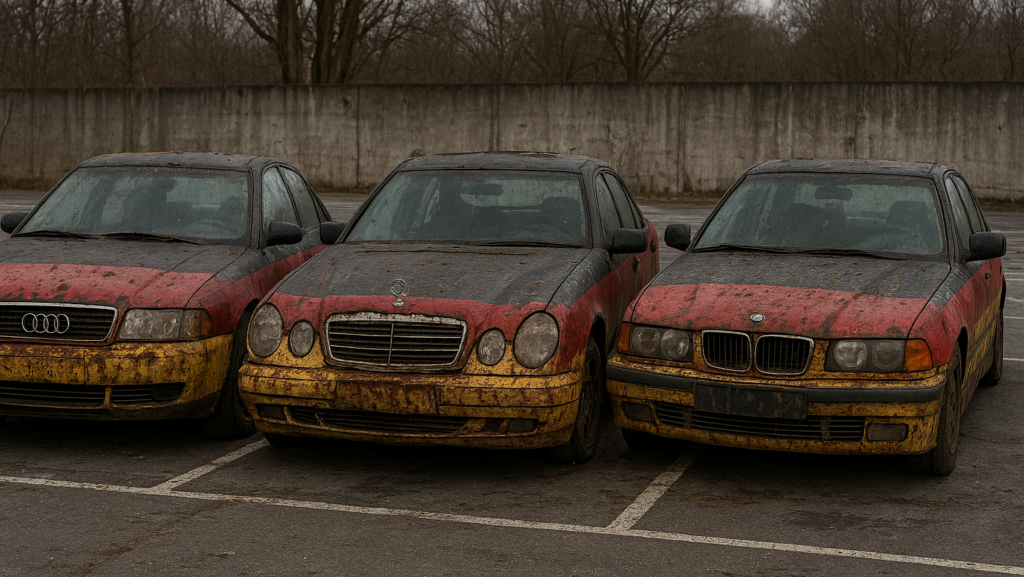
Here are three ideas that could put Europe’s largest economy back on track again.
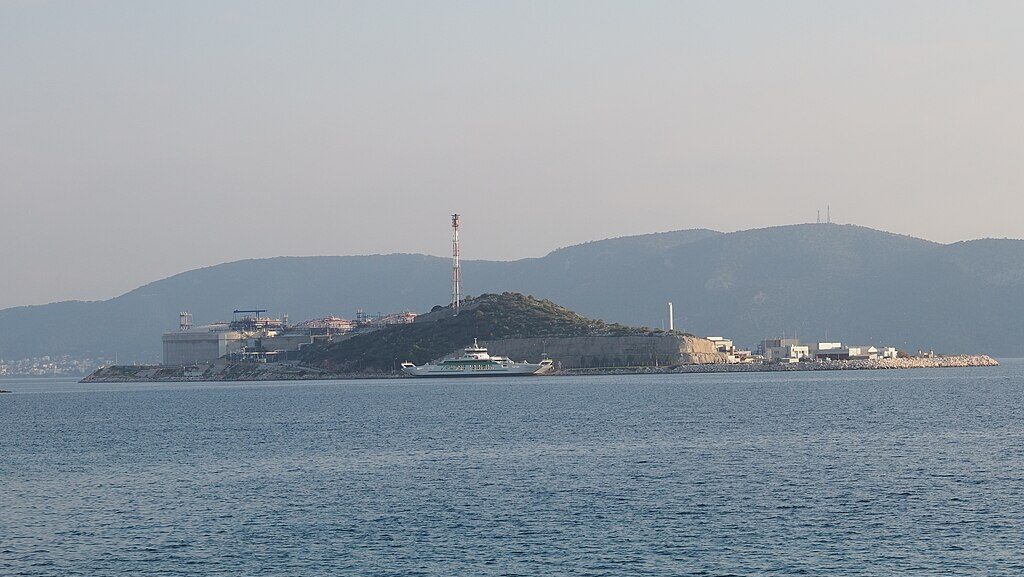
Through consistent investment, reliable partnerships, and a clear commitment to stability, Greece has positioned itself at the heart of Europe’s emerging energy architecture.
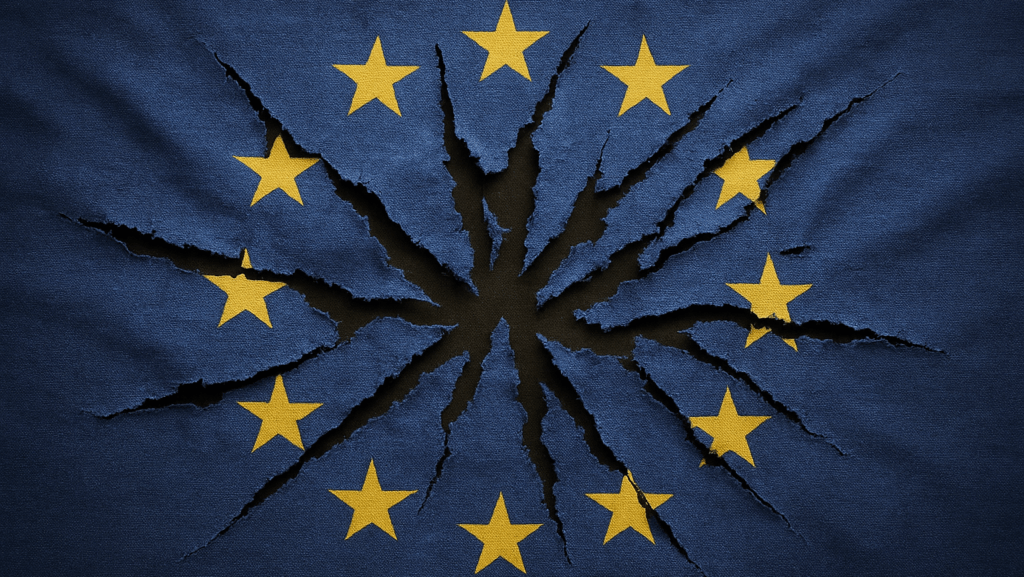
As part of his spat with the EU bureaucracy, the X owner has called for the abolition of the EU. What if his wish was somehow granted?
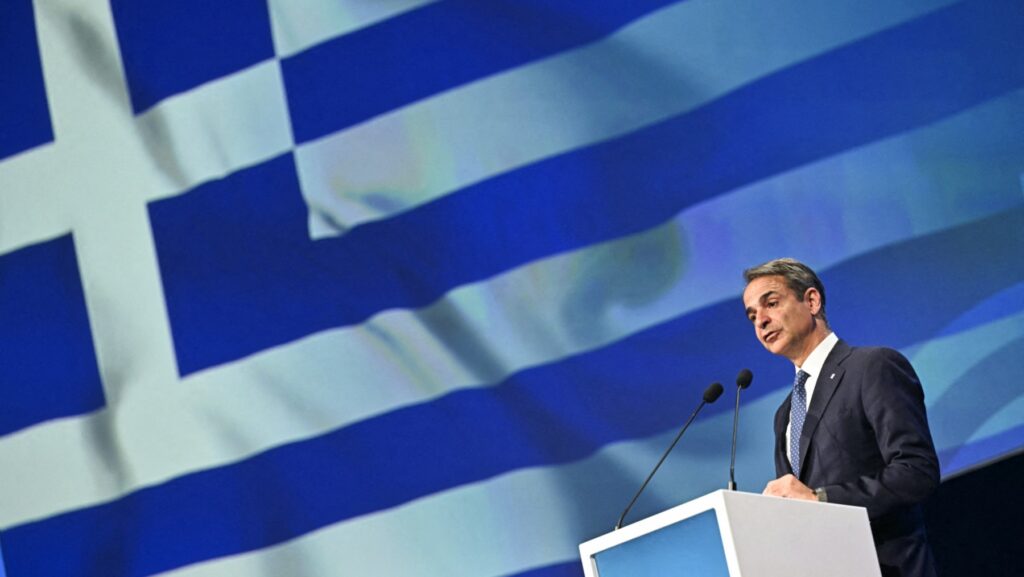
After losing 25% of its economy to austerity policies, Greece has been suffering in poverty for a decade. Now, starting with a promising idea, the government in Athens aspires to rebuild the country.
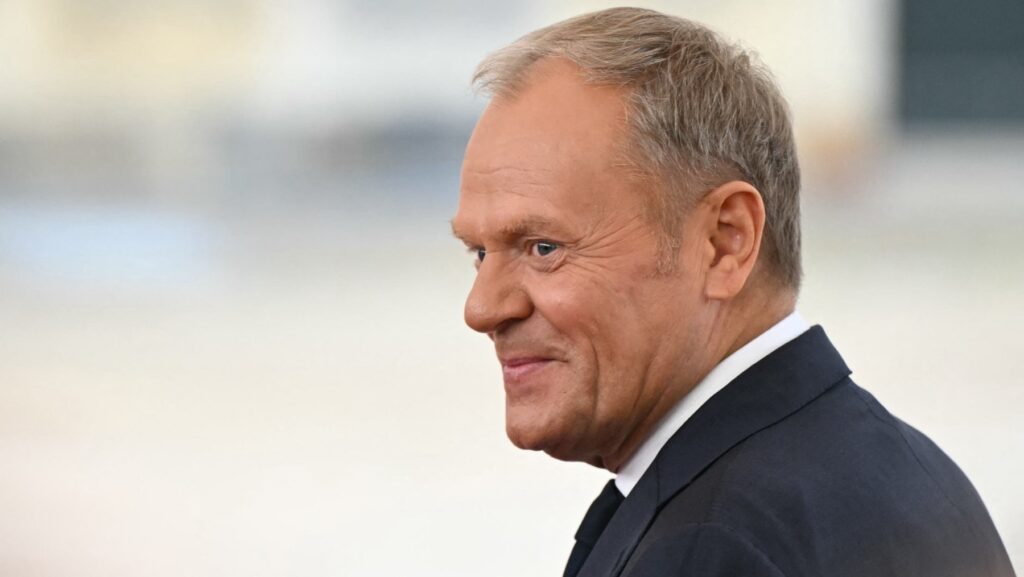
The language has changed, the uniforms have changed, but the underlying assumption—that sovereignty is a problem to be managed, not a right to be exercised—remains the same.

The incentives are plain: the CDU/CSU–SPD majority has no reason to risk its power by triggering a recount.

The leak of an alleged plan by the opposition to raise taxes drastically sharpens the contrast between two choices in the April elections.

The conflict pits an older social-paternalist national conservatism against a younger, libertarian-nationalist, anti-system Right.

‘A preferential option for the poor’ is a pithy phrase that hides the complexity of the Church’s social teaching and also the considerations that lead to better outcomes.

It’s time to finally reflect on the difficult legacy of Russian post-communism.

An act of charity turned into a political symbol reveals the ambiguity with which the contemporary Church adopts languages foreign to her tradition.

Rapid gains in living standards had aligned with prudent long-term public spending, but conditions have worsened since 2023.

The danger of 1938 was not too much realism—it was too little. And that is what we risk repeating today, not by negotiating, but by refusing to do so.