
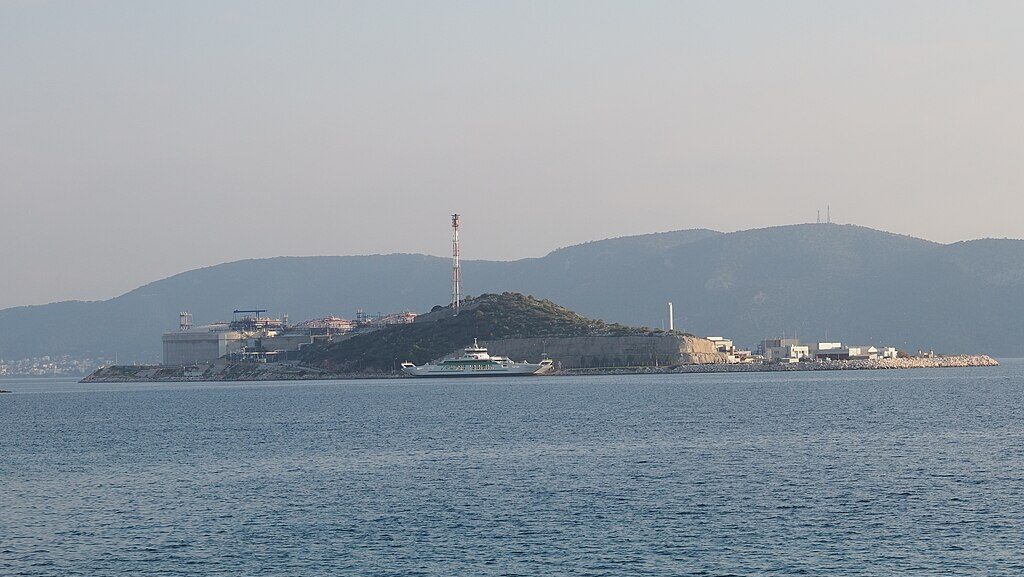
Greece’s Strategic Rise in Europe’s Energy Realignment
Through consistent investment, reliable partnerships, and a clear commitment to stability, Greece has positioned itself at the heart of Europe’s emerging energy architecture.

Through consistent investment, reliable partnerships, and a clear commitment to stability, Greece has positioned itself at the heart of Europe’s emerging energy architecture.
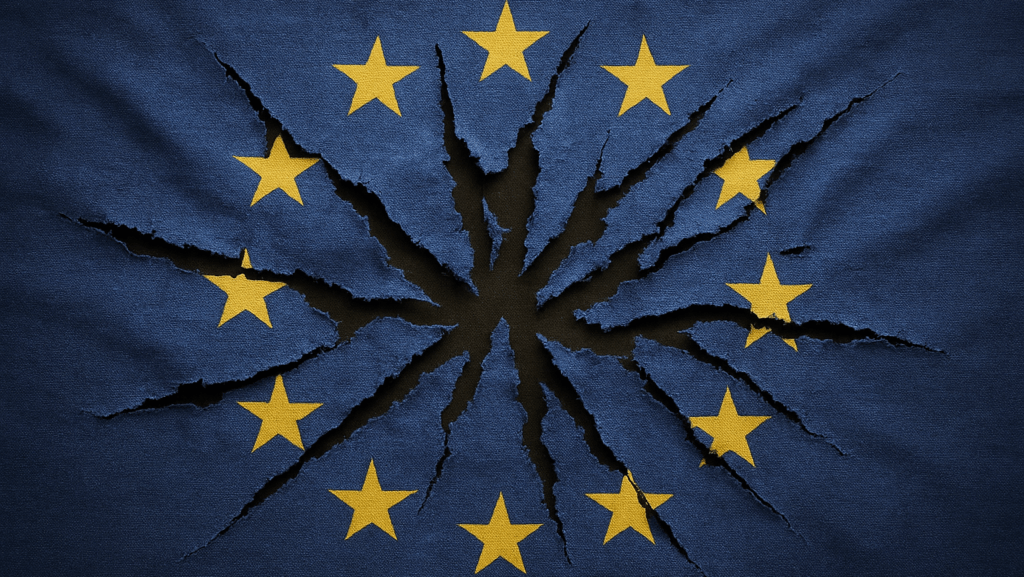
As part of his spat with the EU bureaucracy, the X owner has called for the abolition of the EU. What if his wish was somehow granted?
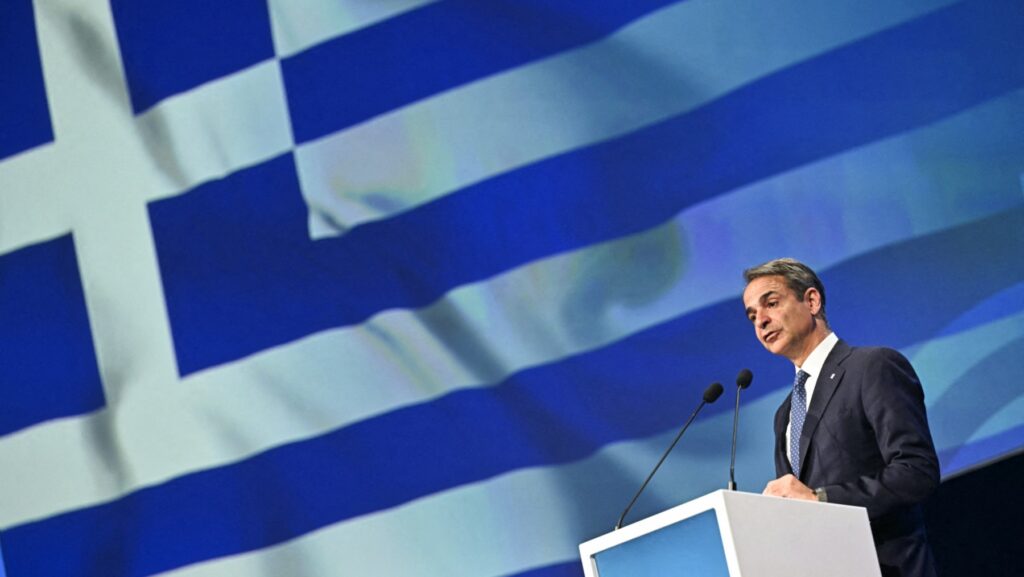
After losing 25% of its economy to austerity policies, Greece has been suffering in poverty for a decade. Now, starting with a promising idea, the government in Athens aspires to rebuild the country.
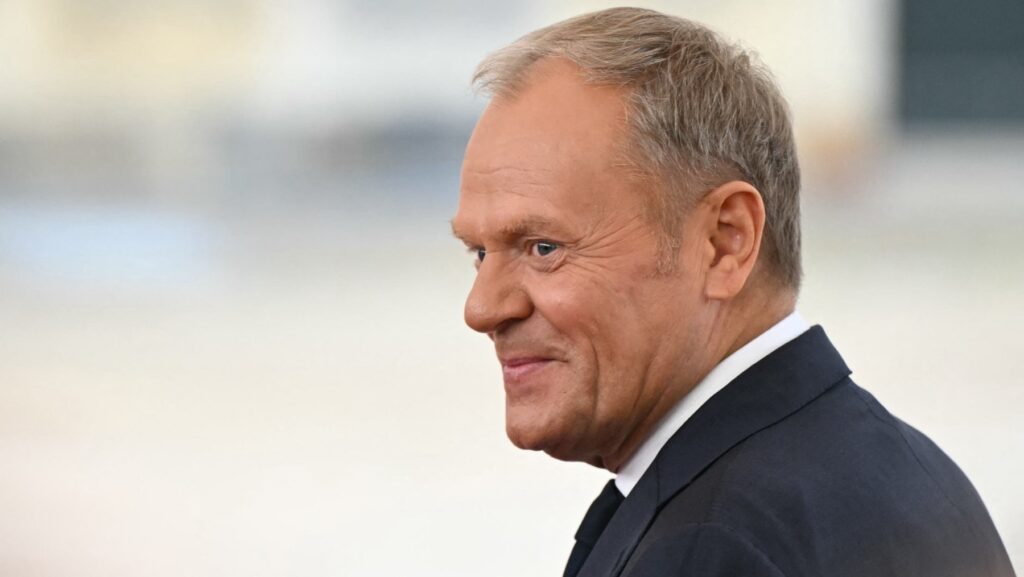
The language has changed, the uniforms have changed, but the underlying assumption—that sovereignty is a problem to be managed, not a right to be exercised—remains the same.

The incentives are plain: the CDU/CSU–SPD majority has no reason to risk its power by triggering a recount.

The leak of an alleged plan by the opposition to raise taxes drastically sharpens the contrast between two choices in the April elections.

The conflict pits an older social-paternalist national conservatism against a younger, libertarian-nationalist, anti-system Right.

‘A preferential option for the poor’ is a pithy phrase that hides the complexity of the Church’s social teaching and also the considerations that lead to better outcomes.

It’s time to finally reflect on the difficult legacy of Russian post-communism.

An act of charity turned into a political symbol reveals the ambiguity with which the contemporary Church adopts languages foreign to her tradition.
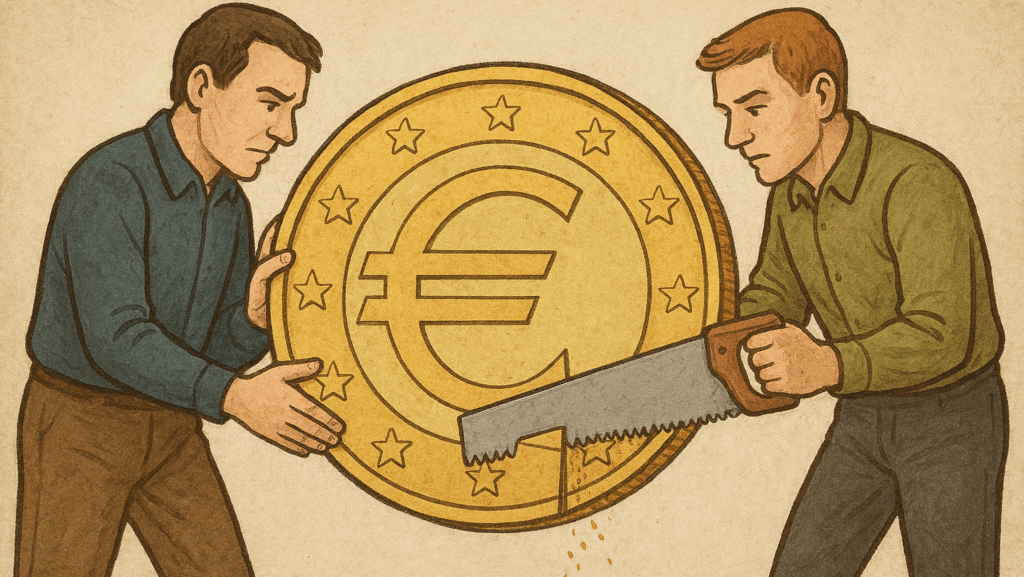
In a pattern eerily similar to other EU states, the Belgian government stands and falls with its own inability to balance its finances. The price will be paid by taxpayers.
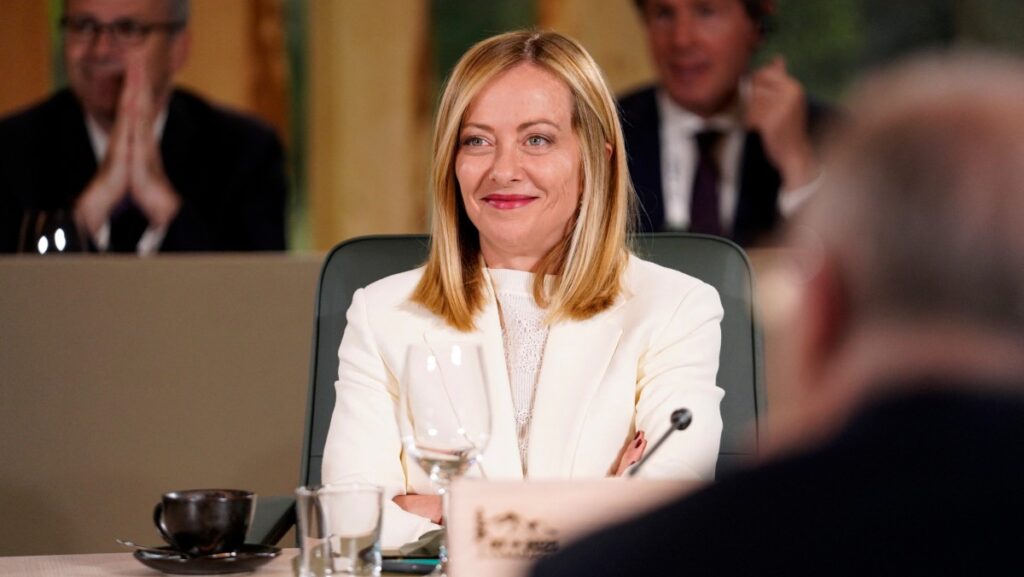
Why Italy’s financing model matters for Europe.

The UN does not even pretend to be a servant of a moral order rooted in law anymore. It serves only the balance of its own internal politics.

That Orbán has been able to cultivate a close relationship with the White House has thwarted the attempt of the Brussels bureaucracy to diplomatically isolate Hungary.

If we want to turn Europe and America in a more conservative direction, we need to understand the depth, the strength, and the persistence of our ideological adversary.
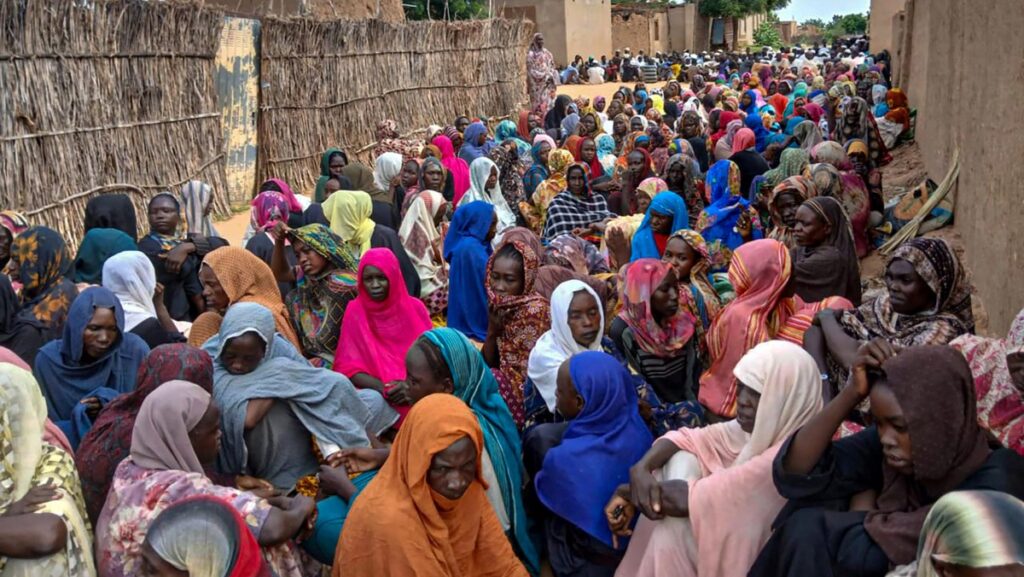
For the progressive West, suffering acquires meaning only when it can be traced to guilt. Without that connection, empathy falters.

Contrary to widespread myths and errors being produced by right-of-center pundits, the Swedish experience with democratic socialism was not short, and it never ended.

Orbán bets on energy dialogue with Washington as Europe pays the price of its dogmatism.

Powerful actors continue to fund NGOs to manipulate political systems and destabilize sovereignty, manufacturing the illusion of dissent.
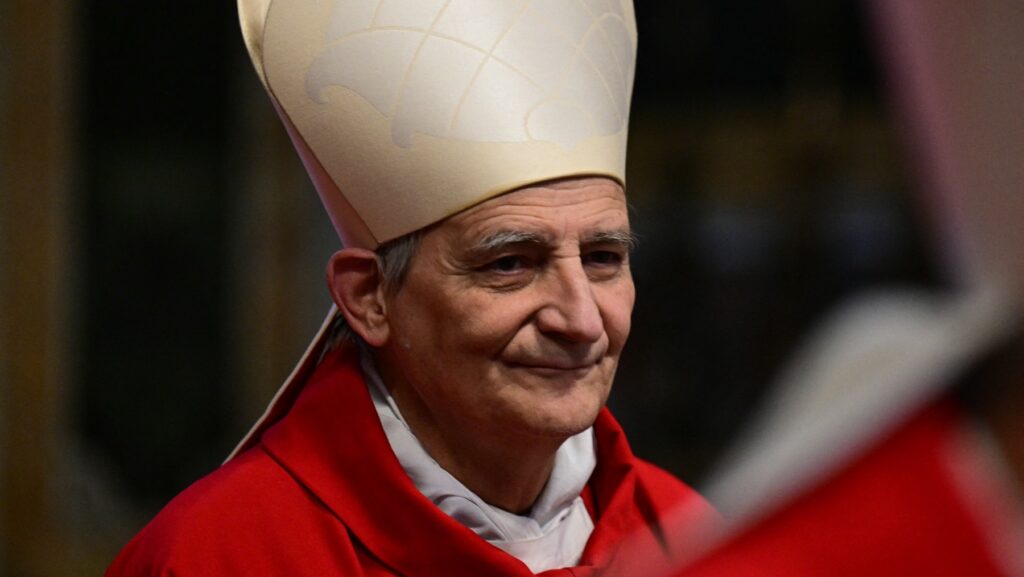
The new synodal document of the Italian Church confirms a pastoral approach fully aligned with progressive ideology, paving the way for the abandonment of the natural family.

A shift in the nation’s political culture is vital—away from socialist and demagogic collectivist ideas that dragged a once-prosperous country into corruption and decay.

For too long, conservatives have fought in the language of values while surrendering the machinery of policy.