

Circular Economy: A Recipe for European Decline
With its ‘circular’ vision, the European Commission demonstrates its complete detachment from economic reality.

With its ‘circular’ vision, the European Commission demonstrates its complete detachment from economic reality.

Kyriakos Mitsotakis’ New Democracy may be forced to form a coalition, something the PM has repeatedly said he wants to avoid.
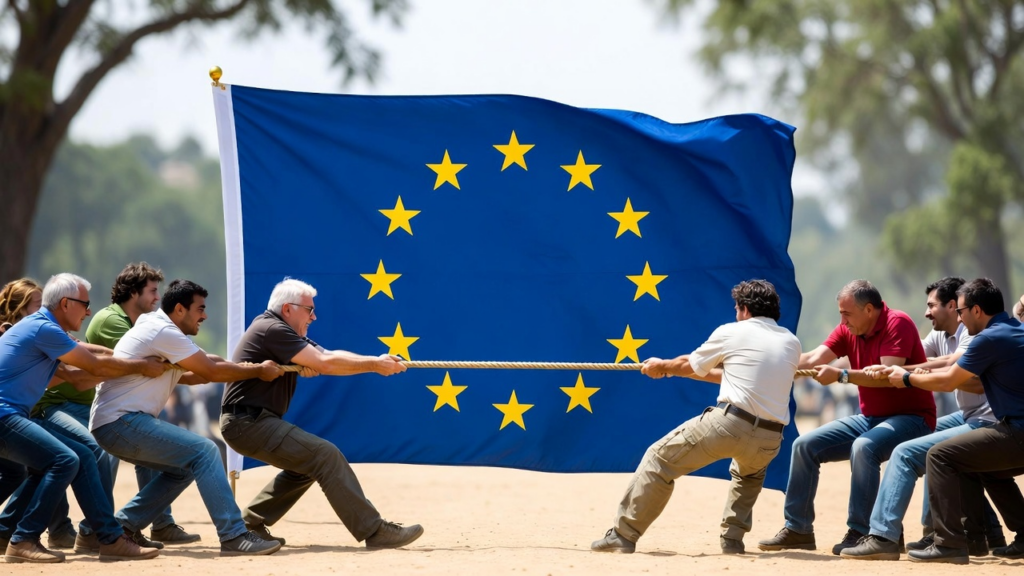
While Brussels celebrates past successes, the removal of the veto, the erosion of the Single Market, and accelerated enlargement threaten to turn the European project into something very different from what Spain and Portugal signed up to in 1986.
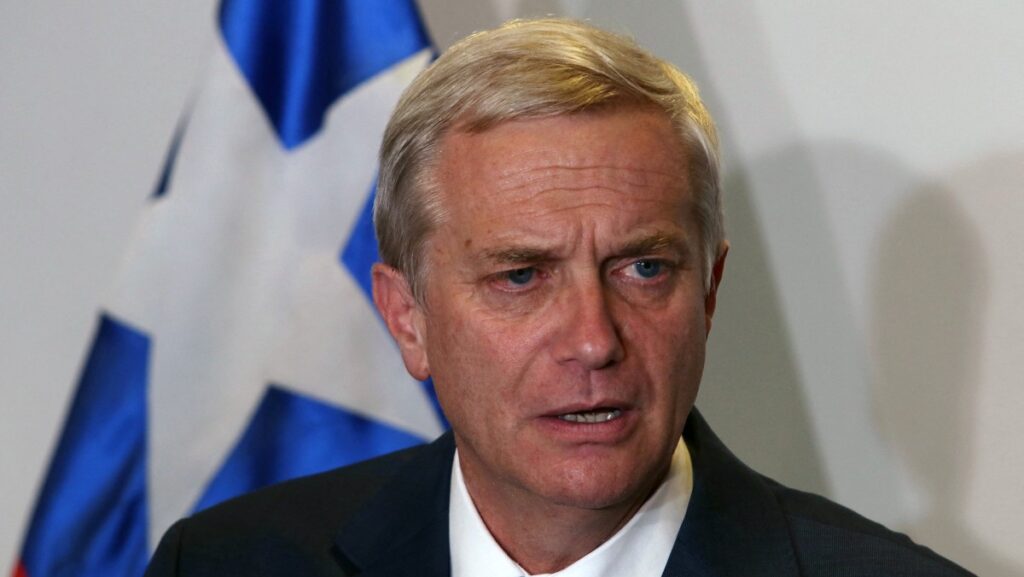
After years of state expansion, weakened public order, and institutional fragmentation, the new government aims to restore authority and sovereignty while promoting moral conservatism and protecting private property.

Europe needs an urgent, independent economic crash commission led by business leaders and economists—not Brussels politicians.

Christians were a majority until the 1980s; today they are roughly one-third, living under growing pressure from a Muslim majority.
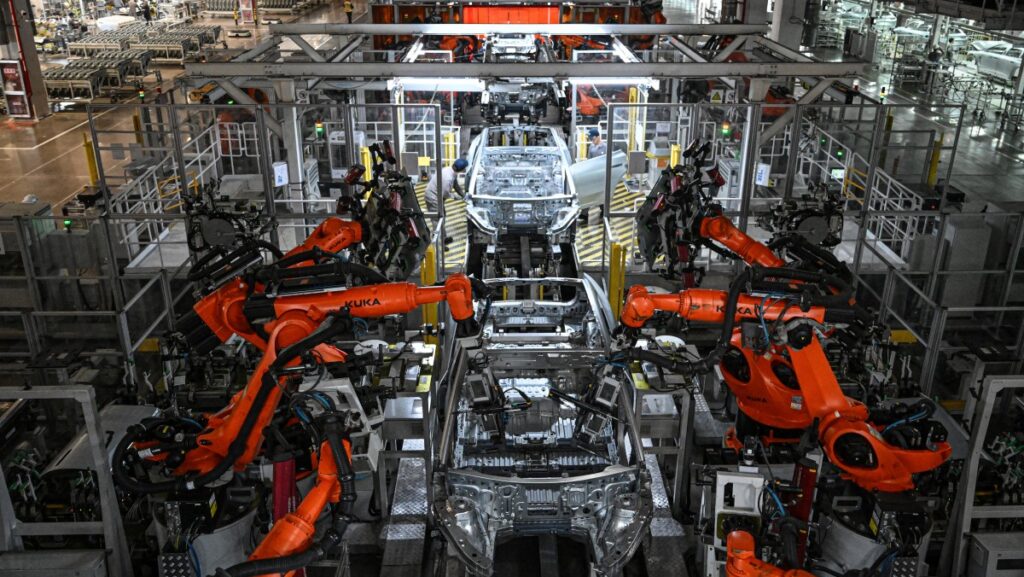
It is a mistake to introduce more protectionism before scrapping domestic policies that badly hurt competitiveness.
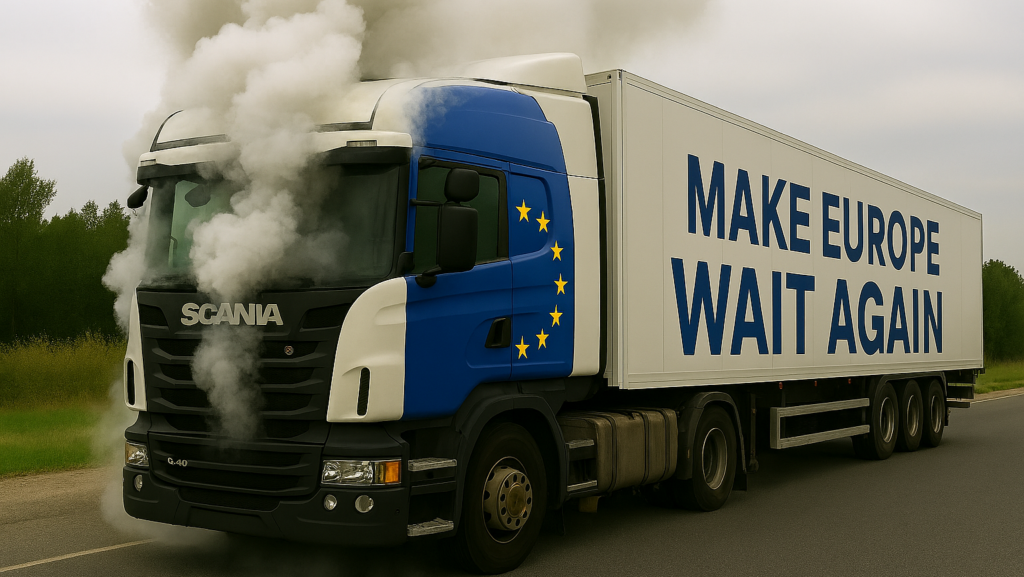
The central bank’s latest forecast cements Europe in a deadlock of stagnation, deterioration, and emerging economic despair.

Coalitions are taking over national governments in Europe with only one goal: to keep national conservatives out of government. This is seriously jeopardizing Europe’s future.
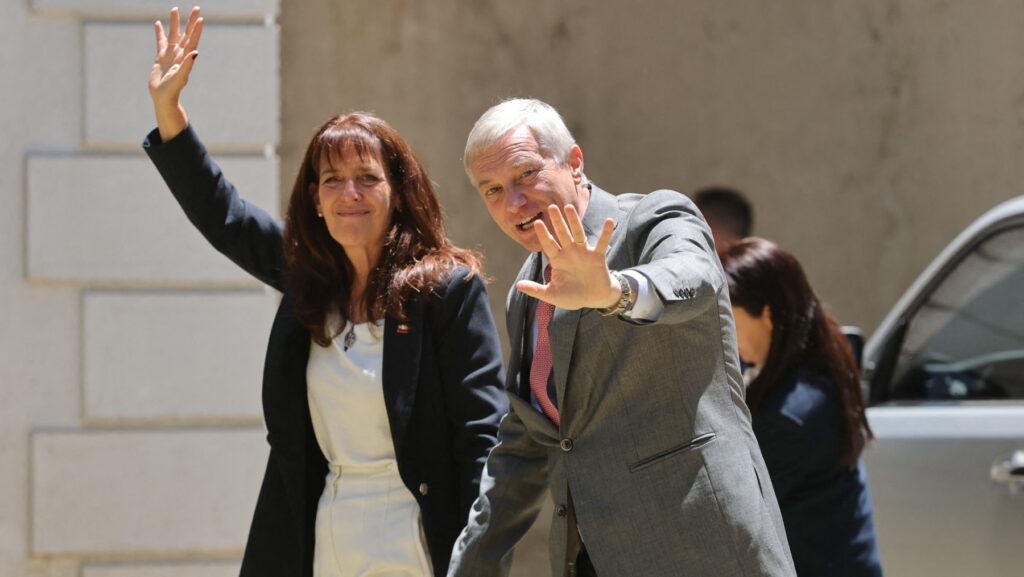
What Kast’s election means is that Chileans understand that destroying the foundations of prosperity is not how one corrects its imperfections.

Judicial systems across Europe view themselves as guardians of an ideological order that treats populists not as a constituency to be represented but as a pathology to be contained.
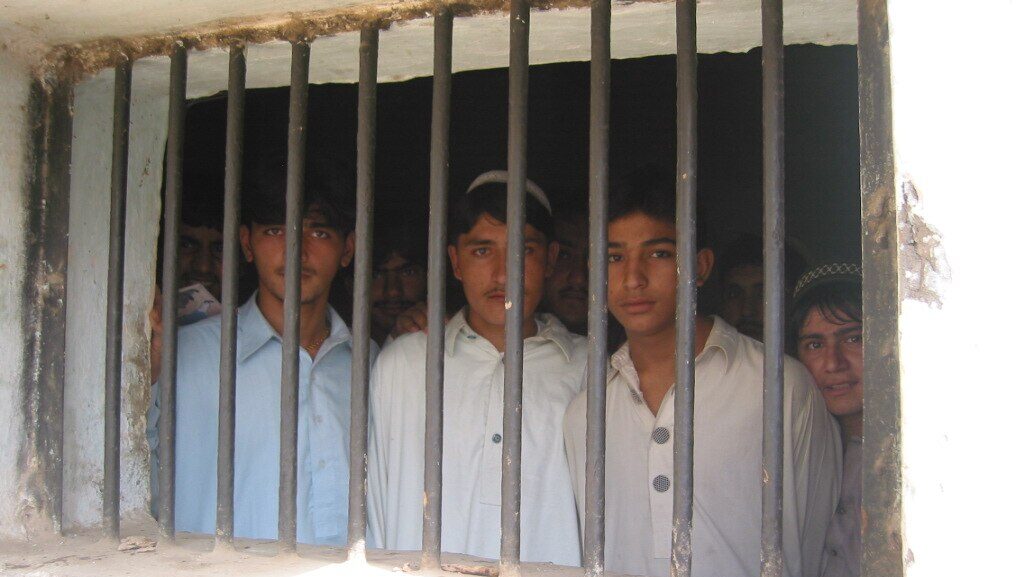
The EU should closely review Pakistan’s serious religious freedom violations before extending its preferential trade and tariff benefits to the country.
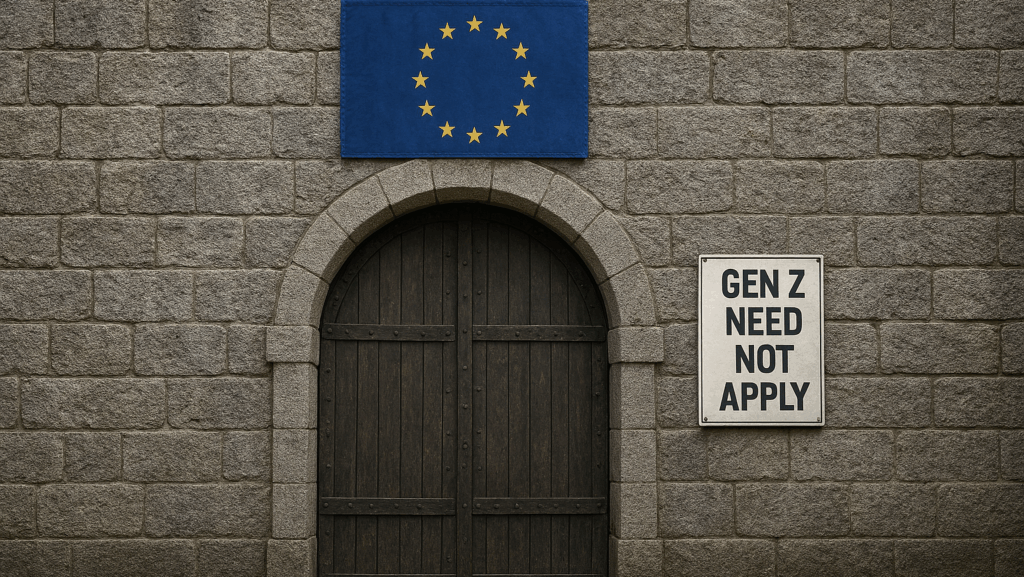
Europe’s leaders have ignored mounting economic stagnation for decades, thereby dooming an entire generation to a life in industrial poverty.

The Italian economy is neither better nor worse thanks to Meloni’s government. With the next election less than two years away, the time to put conservative policies to work is now.
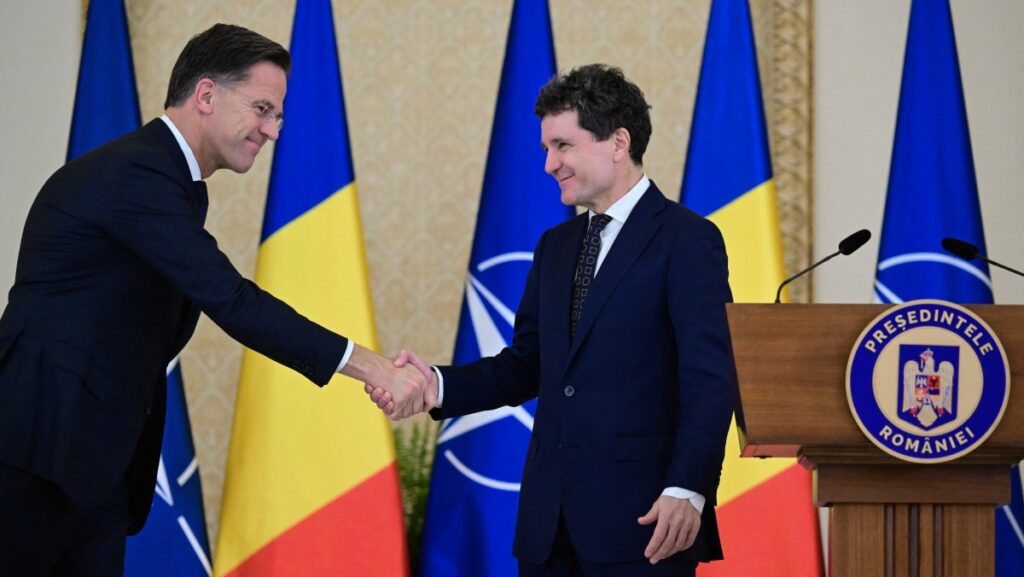
While Romania is obedient, Hungary fills the regional vacuum not because it is the most powerful state, but because it has the confidence to speak when others hesitate.

The impersonality of major digital operators generates a vacuum of responsibility that conflicts with the fundamental rights enshrined by the European Union.

Atheism and the erosion of moral order demand a resolute response of fervent faith, for even the most beautiful forms of Catholic culture alone will not suffice.

As with the debate on gun control, the problem doesn’t disappear: those who want to commit crimes will continue doing so—only now, everyone else will be watched.

What superficially looks like a mixed bag of good and bad news is in reality a depressing image of a continent slowly sinking into permanent economic stagnation.

Western mainstream media downplaying the violence against Christians are misleading their readers.

It will not matter whether the new mayor makes New York City dirtier and more violent; to his voters, his identity is the predominant factor.

If the EU is losing weight on the world stage, it is not because democracy is obsolete or values outdated; it is because ambition has outpaced ability.