

Cryptocurrency, Peter Singer, and Catholic Social Teaching
‘A preferential option for the poor’ is a pithy phrase that hides the complexity of the Church’s social teaching and also the considerations that lead to better outcomes.

‘A preferential option for the poor’ is a pithy phrase that hides the complexity of the Church’s social teaching and also the considerations that lead to better outcomes.

It’s time to finally reflect on the difficult legacy of Russian post-communism.

An act of charity turned into a political symbol reveals the ambiguity with which the contemporary Church adopts languages foreign to her tradition.

Rapid gains in living standards had aligned with prudent long-term public spending, but conditions have worsened since 2023.

The danger of 1938 was not too much realism—it was too little. And that is what we risk repeating today, not by negotiating, but by refusing to do so.

Judicial systems across Europe view themselves as guardians of an ideological order that treats populists not as a constituency to be represented but as a pathology to be contained.
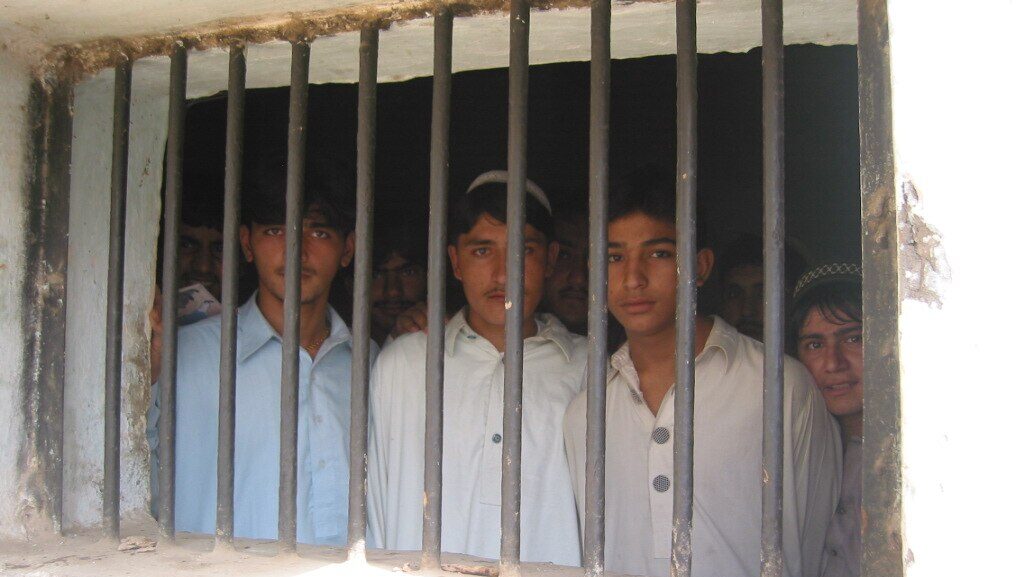
The EU should closely review Pakistan’s serious religious freedom violations before extending its preferential trade and tariff benefits to the country.
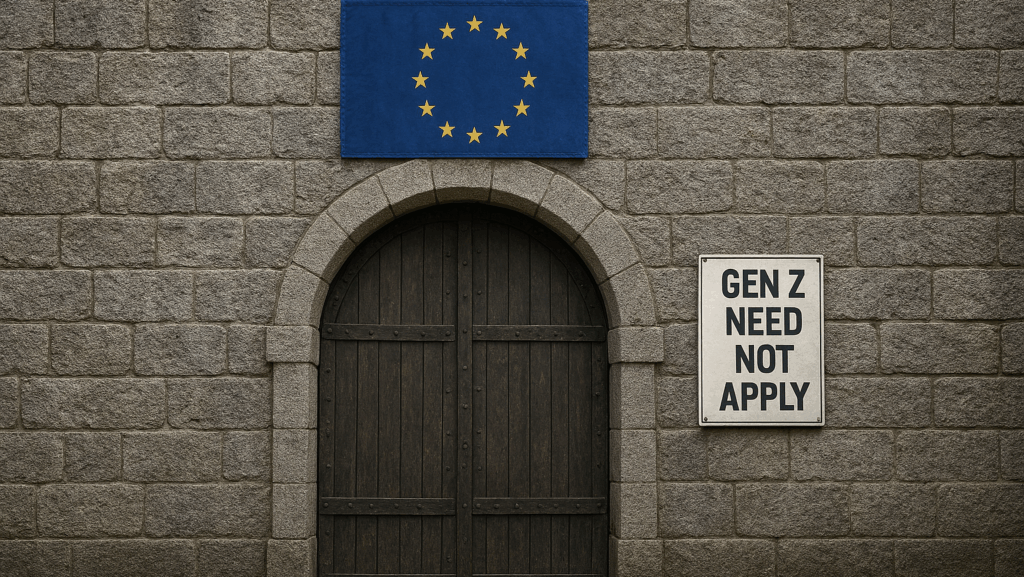
Europe’s leaders have ignored mounting economic stagnation for decades, thereby dooming an entire generation to a life in industrial poverty.

The Italian economy is neither better nor worse thanks to Meloni’s government. With the next election less than two years away, the time to put conservative policies to work is now.
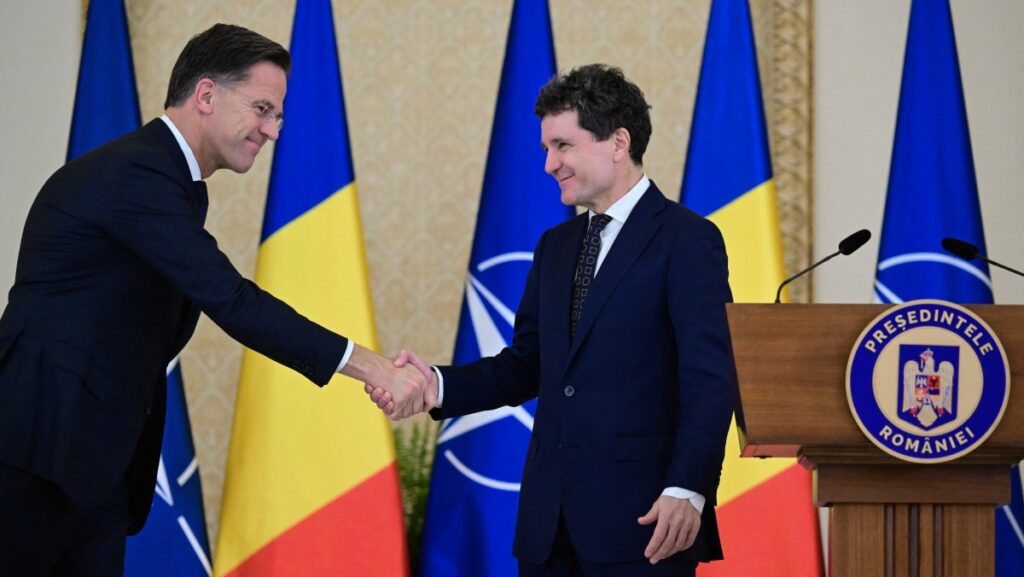
While Romania is obedient, Hungary fills the regional vacuum not because it is the most powerful state, but because it has the confidence to speak when others hesitate.
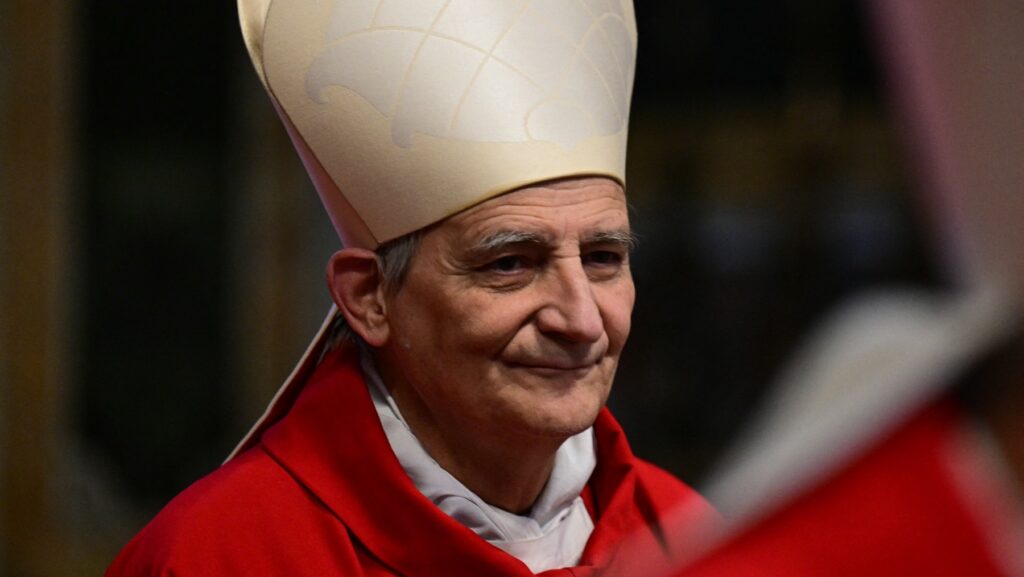
The new synodal document of the Italian Church confirms a pastoral approach fully aligned with progressive ideology, paving the way for the abandonment of the natural family.

A shift in the nation’s political culture is vital—away from socialist and demagogic collectivist ideas that dragged a once-prosperous country into corruption and decay.

For too long, conservatives have fought in the language of values while surrendering the machinery of policy.

Newly uncovered documents reveal how Downing Street shaped the British narrative on the war in Ukraine, shutting down any early path to negotiation and projecting a new moral doctrine that now defines European policy.

It is easy to make promises with other people’s money—in this case, frozen Russian assets. But those assets are nowhere near enough to pay for von der Leyen’s pledges. Who will be asked to foot the rest of the bill?

A return to roots in a time of confusion or just another political strategy?

From moral crusade to global business: Boris Johnson’s pro-Ukraine activism reveals how virtue can become a lucrative brand.

ADF International is currently supporting over 30 legal cases on behalf of Christians challenging the arbitrary bans before the European Court of Human Rights and the Turkish courts.

As Britain armed Ukraine in the name of solidarity, its defence industry—and Boris Johnson’s allies—turned war into opportunity.
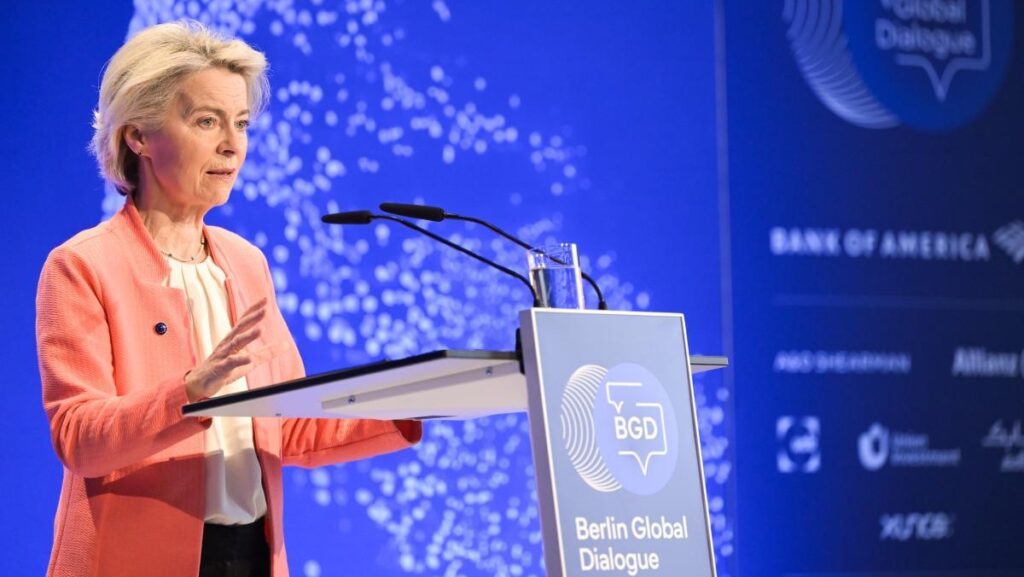
The EU Commission’s proposal for the next multiannual financial framework hides a political revolution in plain sight.

On April 9, 2022, Kyiv was expecting the announcement of a ceasefire. What it received instead was an ultimatum. Three years later, documents and testimonies confirm that on that day, it was not peace that was decided, but the duration of the war.

A £1 million donation, a defense entrepreneur, and a former prime minister turned international advocate. The Johnson–Harborne–QinetiQ connection sheds light on the intersection of political power, private influence, and the business of war.