

Freedom of Religion vs Big Tech
The impersonality of major digital operators generates a vacuum of responsibility that conflicts with the fundamental rights enshrined by the European Union.

The impersonality of major digital operators generates a vacuum of responsibility that conflicts with the fundamental rights enshrined by the European Union.
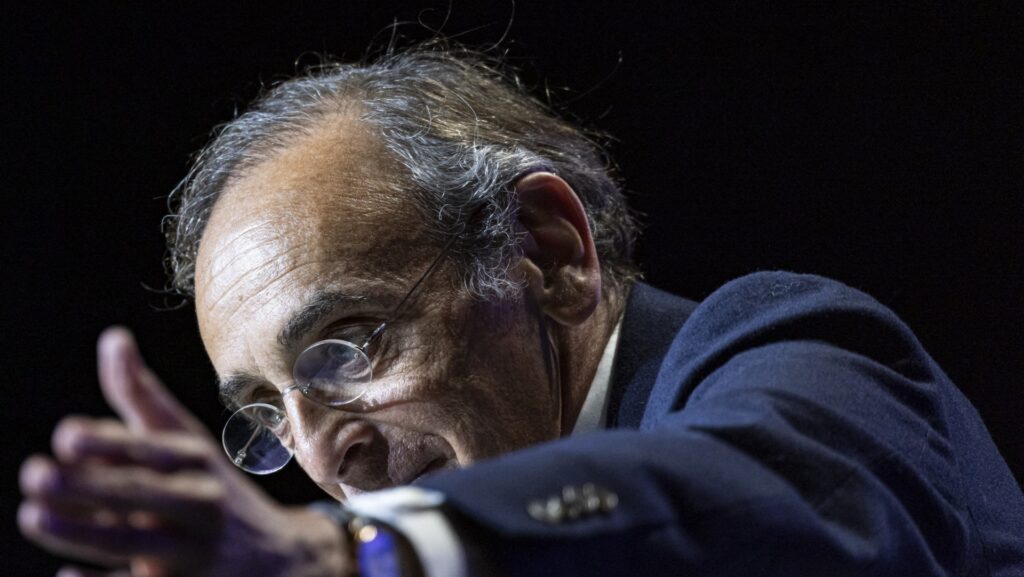
Atheism and the erosion of moral order demand a resolute response of fervent faith, for even the most beautiful forms of Catholic culture alone will not suffice.
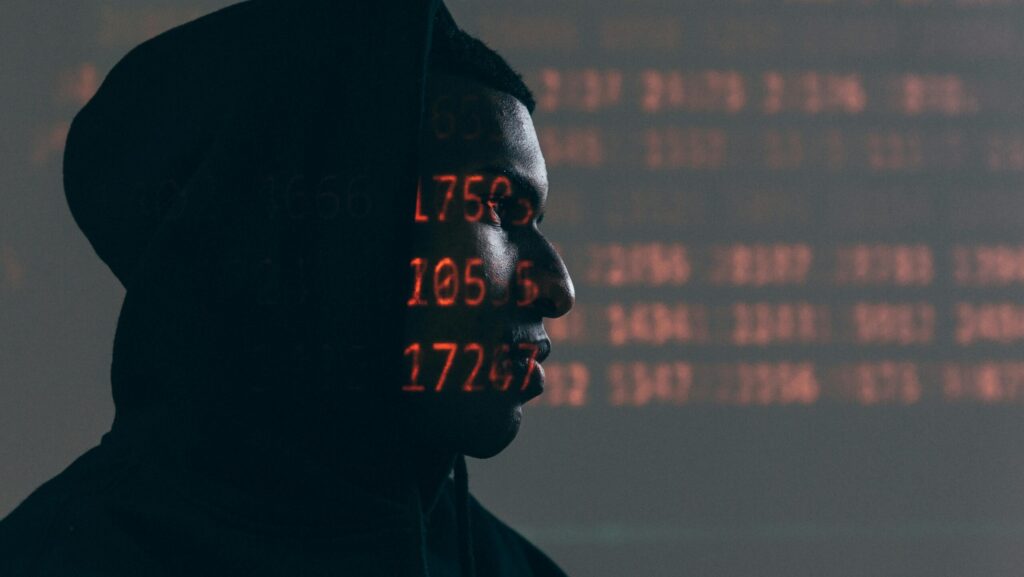
As with the debate on gun control, the problem doesn’t disappear: those who want to commit crimes will continue doing so—only now, everyone else will be watched.

What superficially looks like a mixed bag of good and bad news is in reality a depressing image of a continent slowly sinking into permanent economic stagnation.

Western mainstream media downplaying the violence against Christians are misleading their readers.

It will not matter whether the new mayor makes New York City dirtier and more violent; to his voters, his identity is the predominant factor.

If the EU is losing weight on the world stage, it is not because democracy is obsolete or values outdated; it is because ambition has outpaced ability.

The future strength of the Polish Right will hinge on turning big ideas into clean politics—and the government’s on turning unity into a credible plan.

Those who cry “Russia” nonstop should note that Hungary seeks strategic ties with the U.S. and that the summit’s outcomes matter for all of East–Central Europe.

There is a coordinated effort on the internet to portray the Fidesz government as an economic disaster for Hungary. Nothing could be further from the truth.
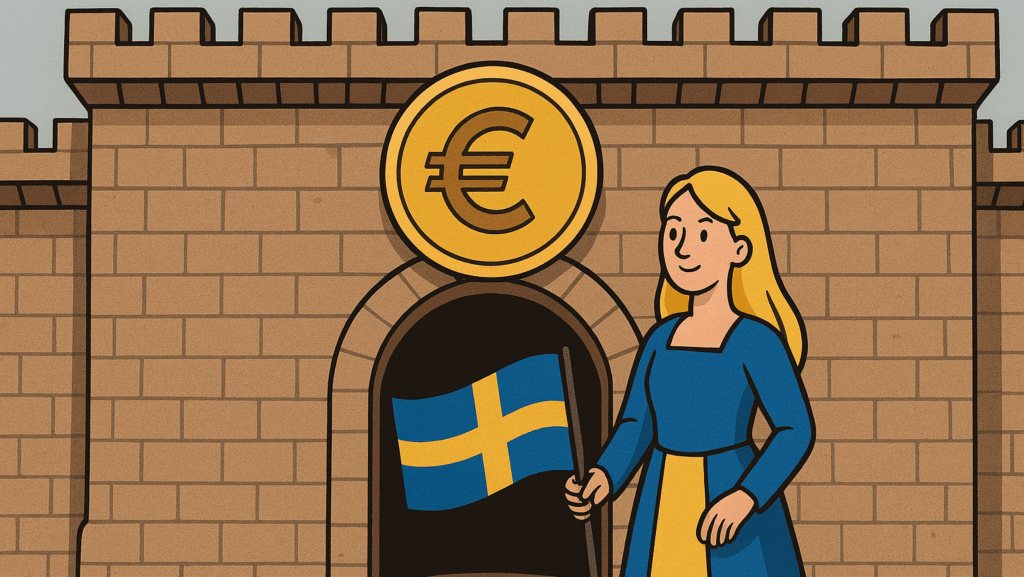
Prime Minister Ulf Kristersson’s party wants to explore a path for Swedish euro zone membership. It would be a bad idea for Sweden to give up its own currency.
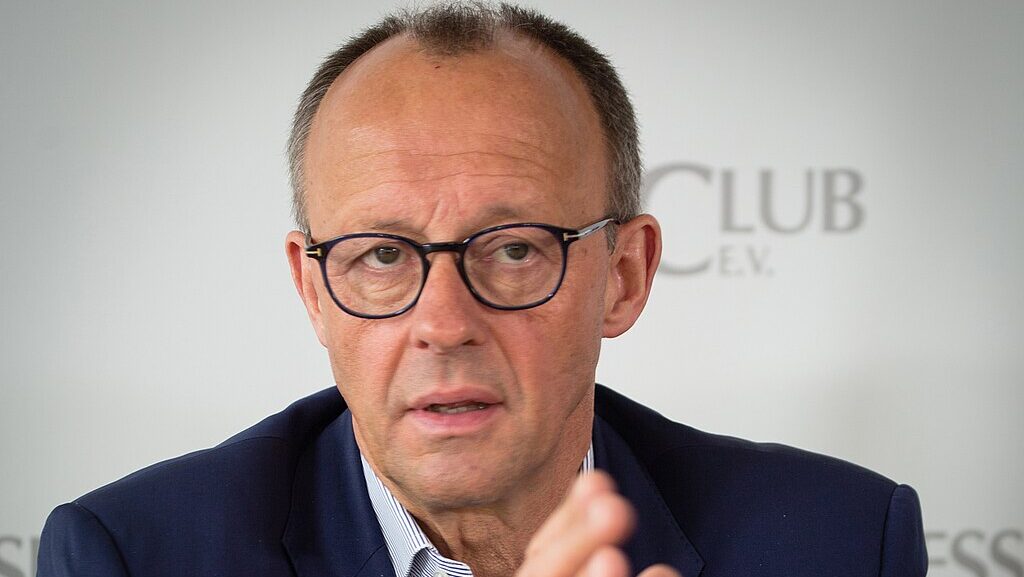
When the conservative center is silenced, the true extremists inherit the stage.

The appointment is yet another sign of a Church increasingly tempted to bend to the spirit of the world.

In 2010-2014, the EU was the scene of a major fiscal crisis. Since then, nobody has treated the root cause, only the symptoms. Therefore, it is no surprise that history is about to repeat itself.
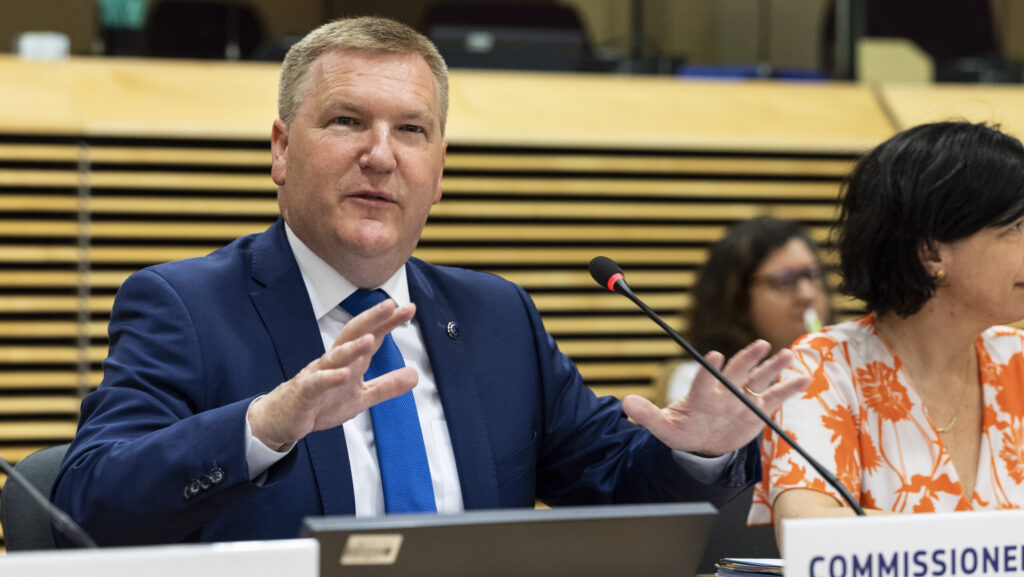
A stage-managed public feedback and consultation turns citizens into extras in a play about democracy while silencing the very questions that might challenge the Commission’s authority.

Unlike Western Europe’s tendency toward moralizing diplomacy, Hungary’s approach is grounded in realism and mutual respect.

If East Germans had not felt—and rightly so—that for too many years, all decisions were made by West Germans, less estrangement would likely have resulted.

France’s political elite is out of time: they must form a sustainable government and start fiscal consolidation, or the country risks an economic crisis at least as severe as the one 15 years ago.
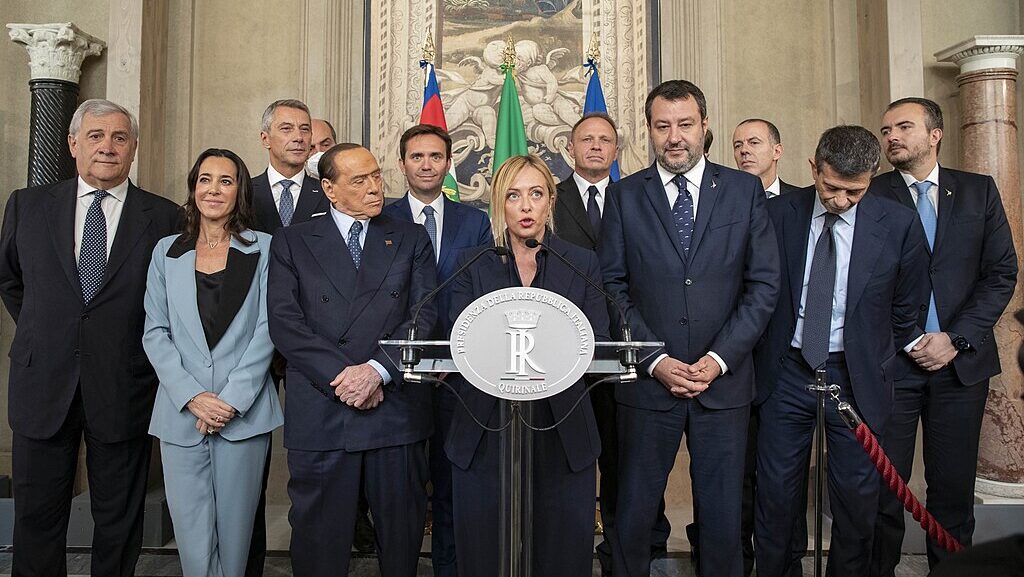
The Italian PM skillfully transformed the Italian Right from the transactional politics of Silvio Berlusconi to a populist movement defined by policy rather than personality.

Far from acting as a balancing power between East and West, Turkey has become a tactical opportunist, leveraging its NATO membership to extract concessions from the West.
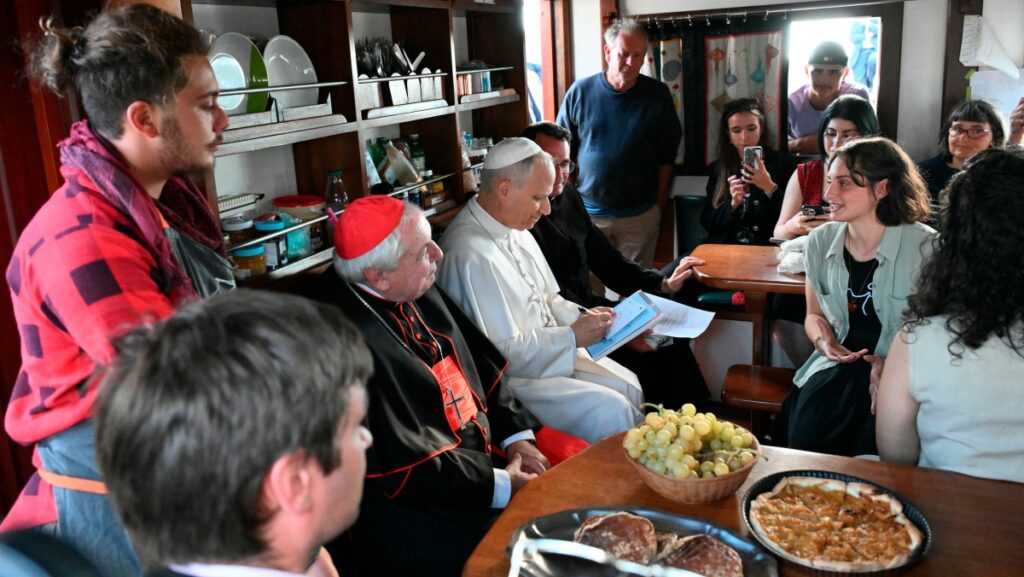
The new pope is advised by a Curia that remains Bergoglian in orientation—progressive in theology and socialist in politics.
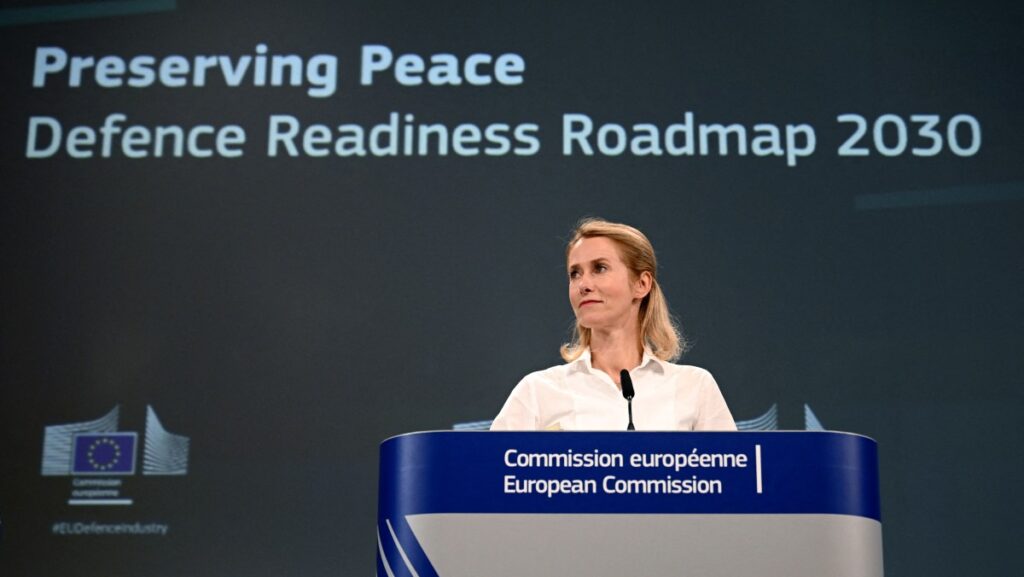
Even if you were to quadruple defence spending, if no-one is willing to fight for you, there would be no consequence.