The Right Dominates Poland’s Autumn of Ideas and Events
The future strength of the Polish Right will hinge on turning big ideas into clean politics—and the government’s on turning unity into a credible plan.



Far from acting as a balancing power between East and West, Turkey has become a tactical opportunist, leveraging its NATO membership to extract concessions from the West.
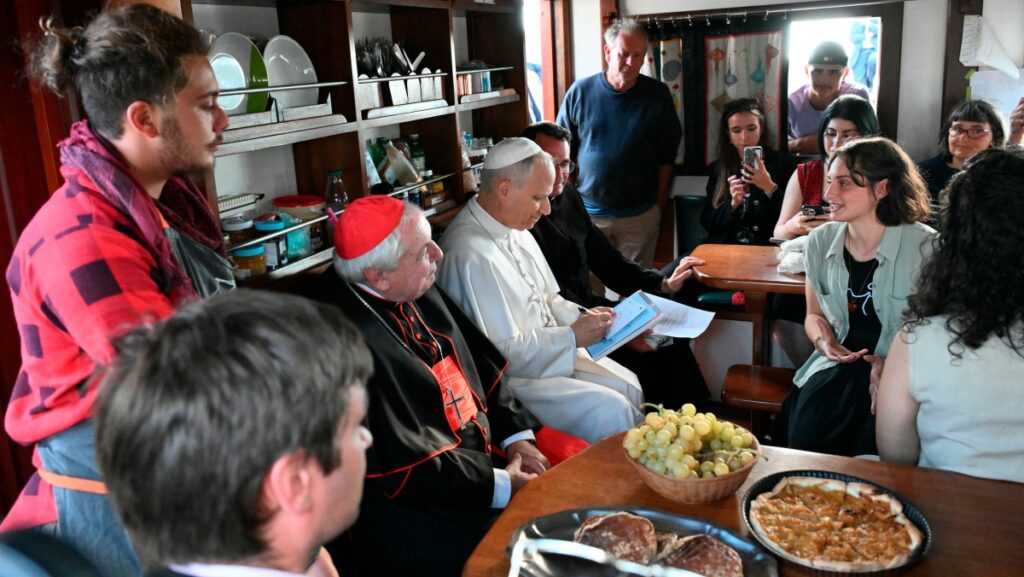
The new pope is advised by a Curia that remains Bergoglian in orientation—progressive in theology and socialist in politics.
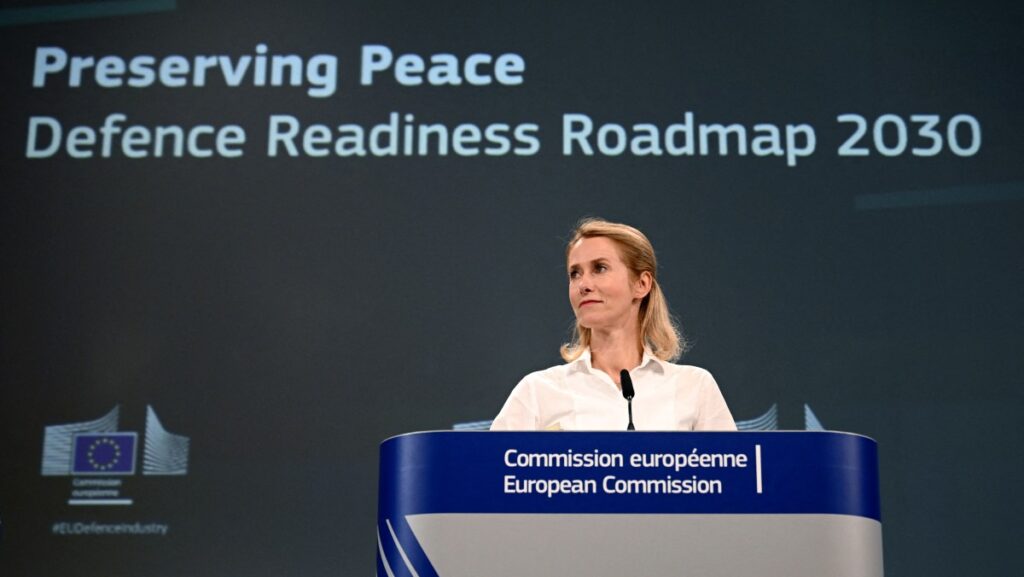
Even if you were to quadruple defence spending, if no-one is willing to fight for you, there would be no consequence.

In a smart debt-management move, the government of Hungary sells treasury securities in China. This sheds new light on European political and economic risk-taking.
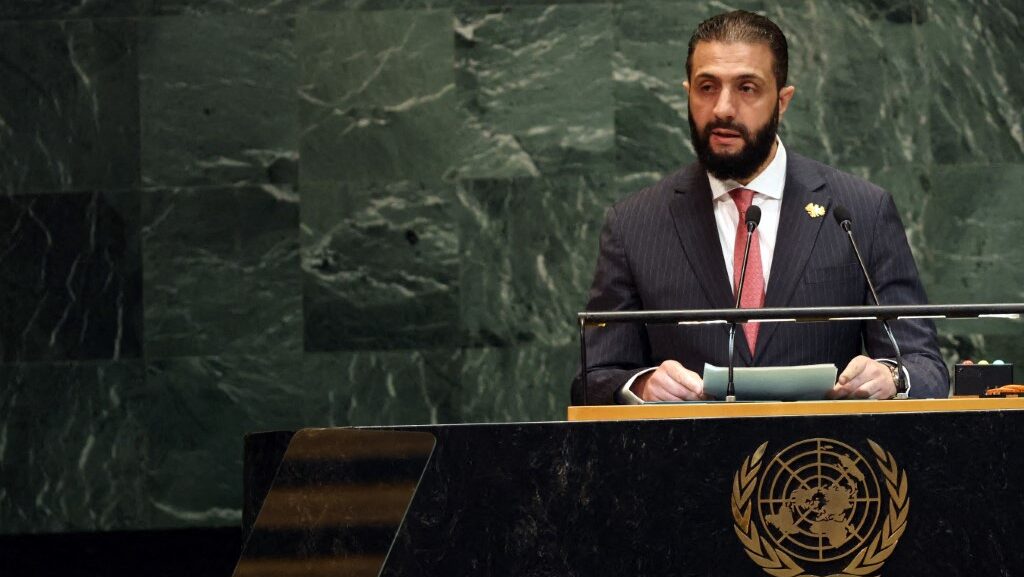
Western heads of state ignore the fact that al-Sharaa’s HTS is classified as a terrorist group by the UN, the EU, and the UK.

The government in Lisbon can brag about having eliminated its budget deficit. How does this benefit the economy—if at all?

Fault lines continue to show themselves in the European Parliament, as the EU finally realises the folly that is its latest iteration of its Green Deal rules.
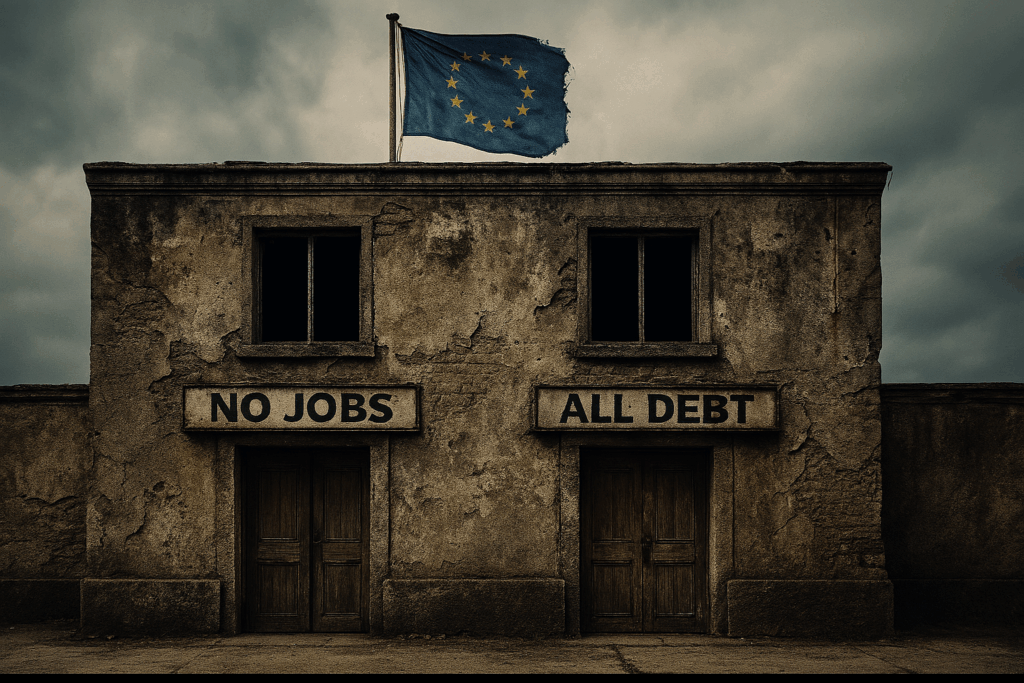
Comparing the market and par values of sovereign debt may seem like a dry exercise, but it reveals critical insights into the European economy.
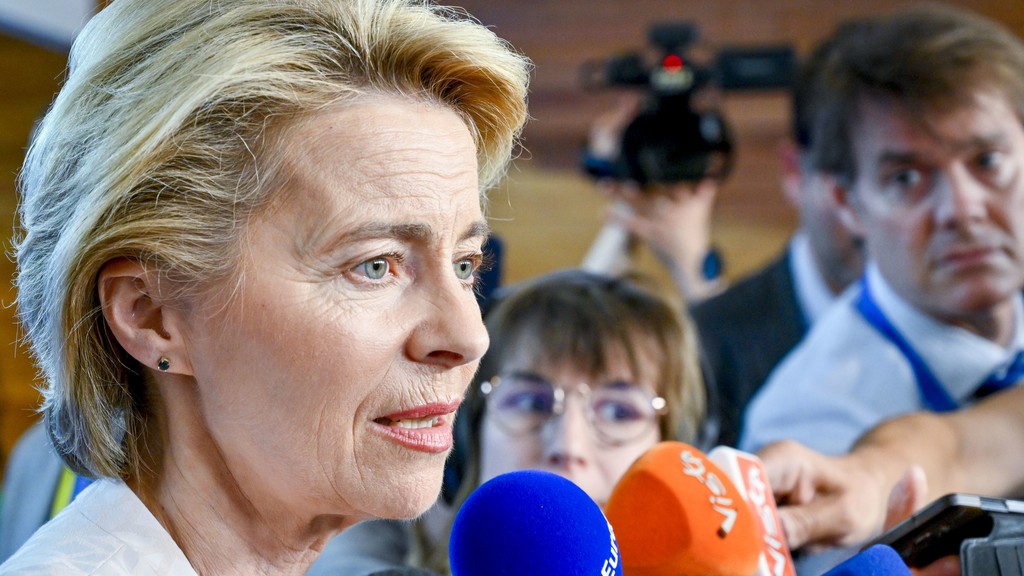
Brussels has turned compliance into a religion, and small businesses are paying the price.

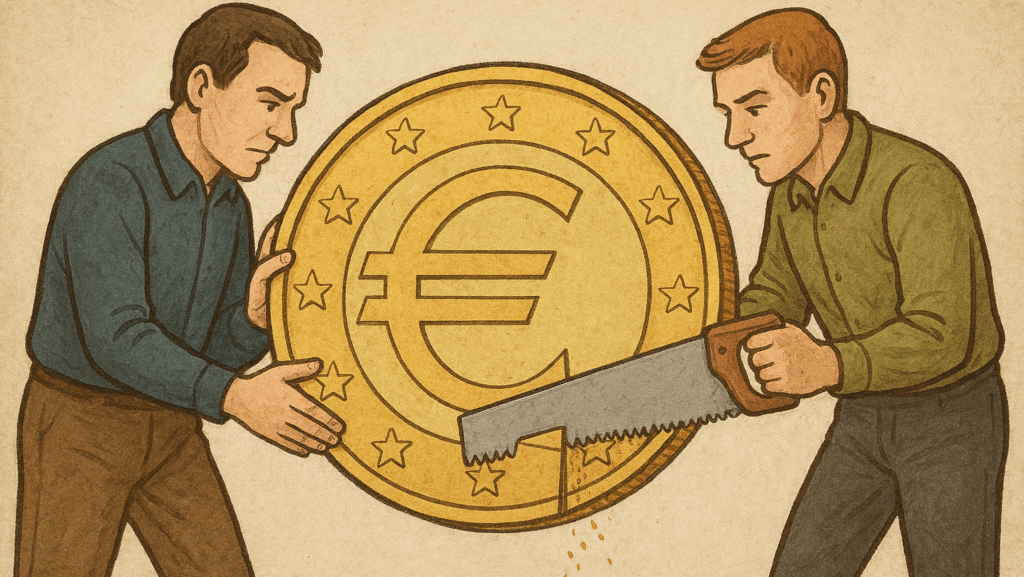
Prime Minister Orbán recently confirmed that Hungary has no intentions of joining the euro zone. This is one of his best and most consequential policy decisions ever.

Contemporary Vatican abolitionism does not arise from the Gospel or from Catholic Tradition, but from a blend of progressive theology and European political pressure.
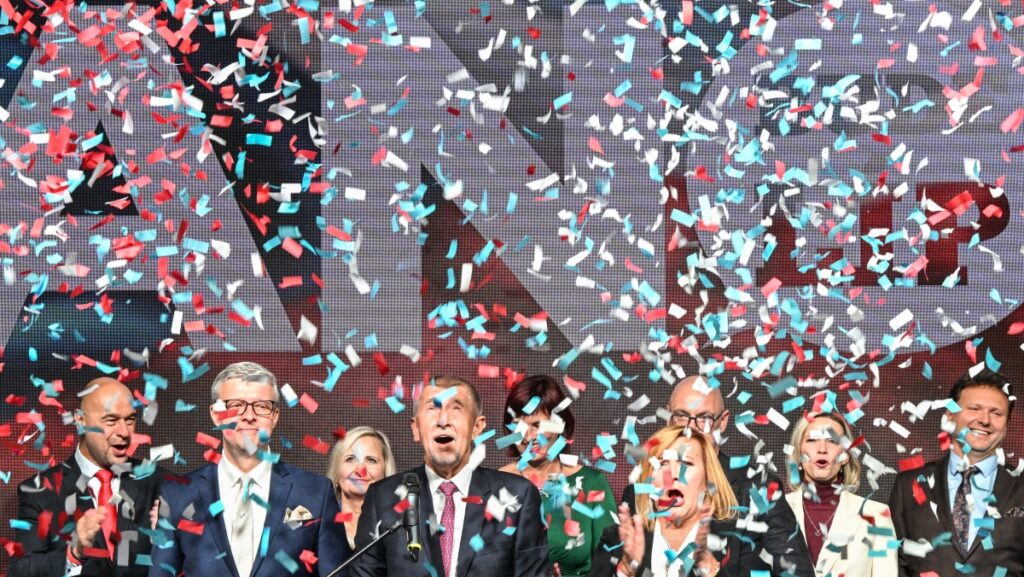
To Hungary, Slovakia, and Czechia, the buzzwords of ‘European unity’ ring thin if they risk leading the continent further into a war whose front is so close to themselves.