
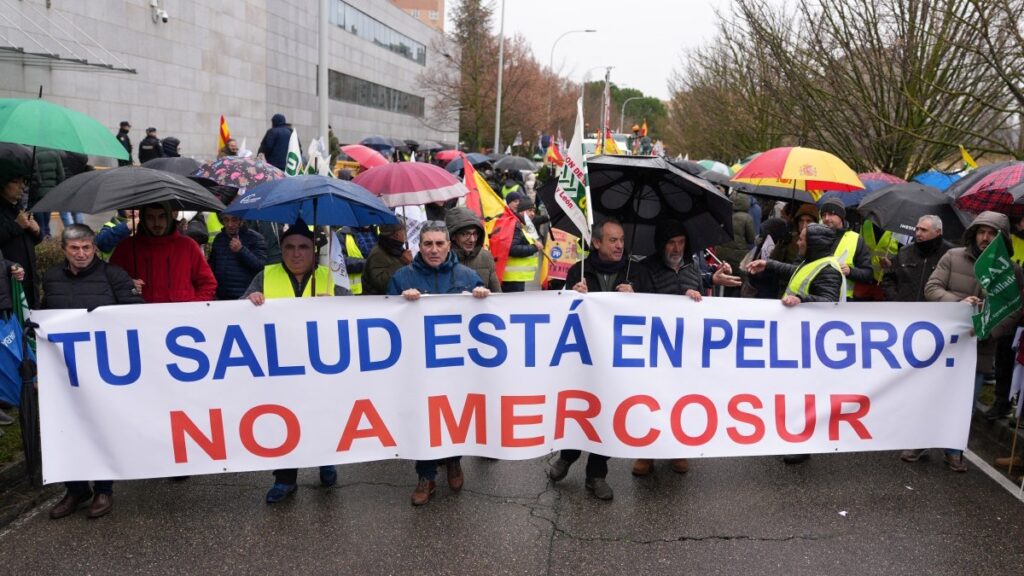
How Mercosur Is Set To Harm the European Economy
Benefits concentrated in a few industrial sectors contrast with dispersed costs borne by farmers, SMEs, and European consumers.

Benefits concentrated in a few industrial sectors contrast with dispersed costs borne by farmers, SMEs, and European consumers.

Parisian mayoral candidate Sarah Knafo lights a pathway to reclaim the continent through its major cities.
Between civic nationalism and ethnonationalism lies a third idea: ethnocultural nationalism, which does not define belonging by contracts or blood alone.
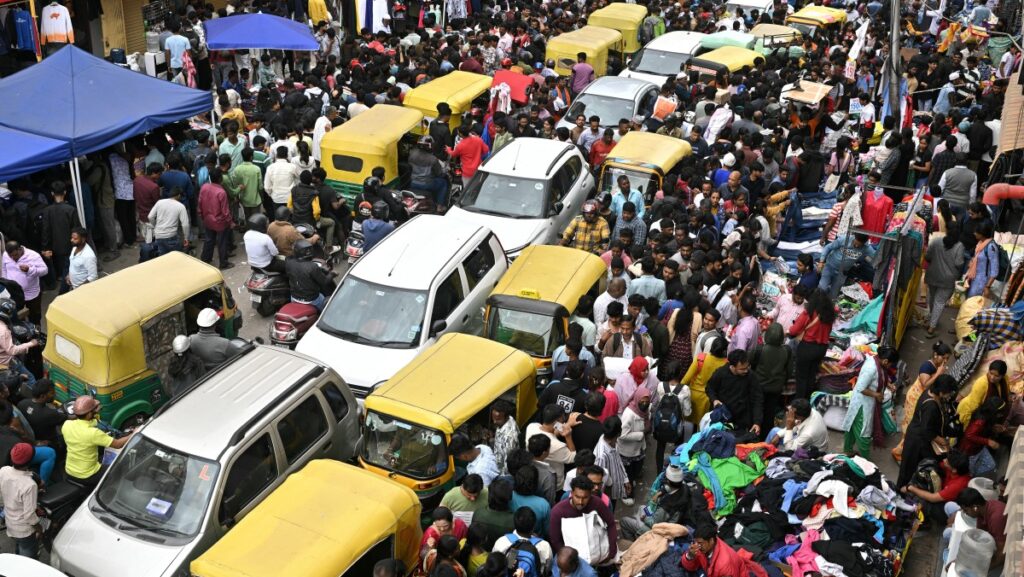
No matter how we turn and twist the numbers, it is hard to see how Europe’s struggling industries will gain anything from this new trade agreement.
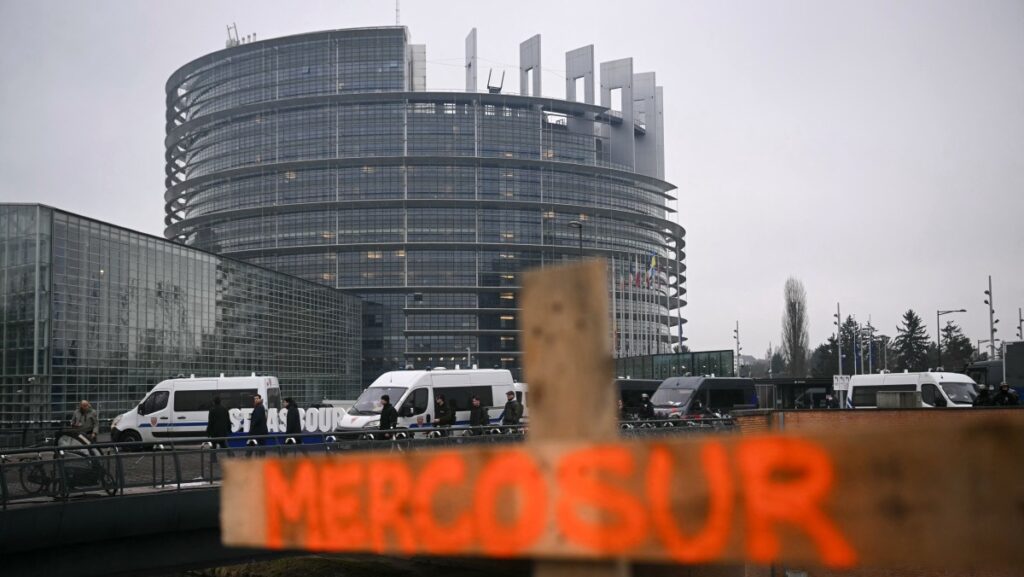
In Strasbourg, the European Parliament committed an almost subversive act: it did its job.
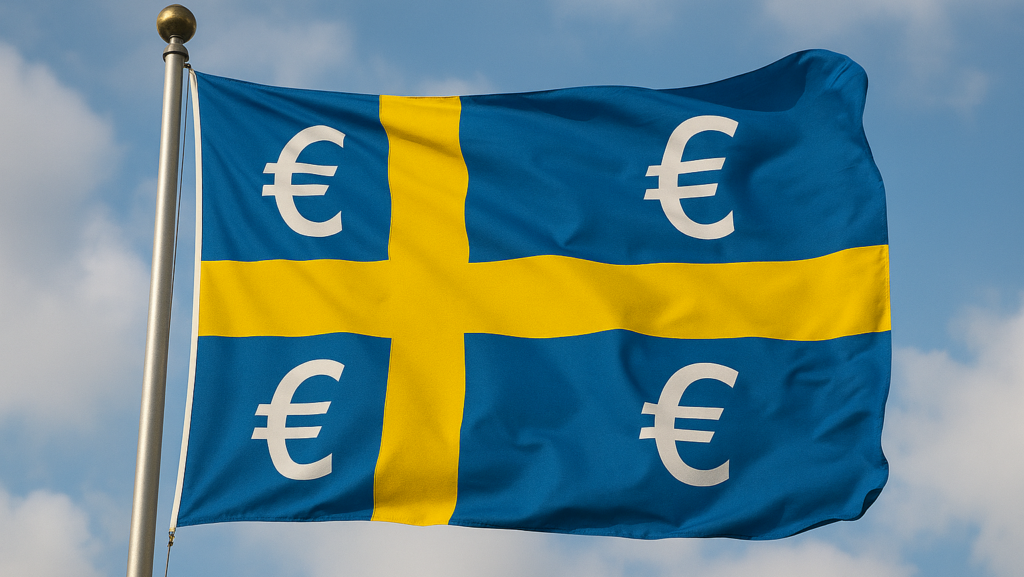
The September election is shaping up to be a fight over what currency the Swedes should be using in the future.

“A leader who privately embraces sectarian expansion while publicly signaling moderation cannot credibly claim to protect minorities or respect state sovereignty,” counterterrorism expert Sarah Adams said.
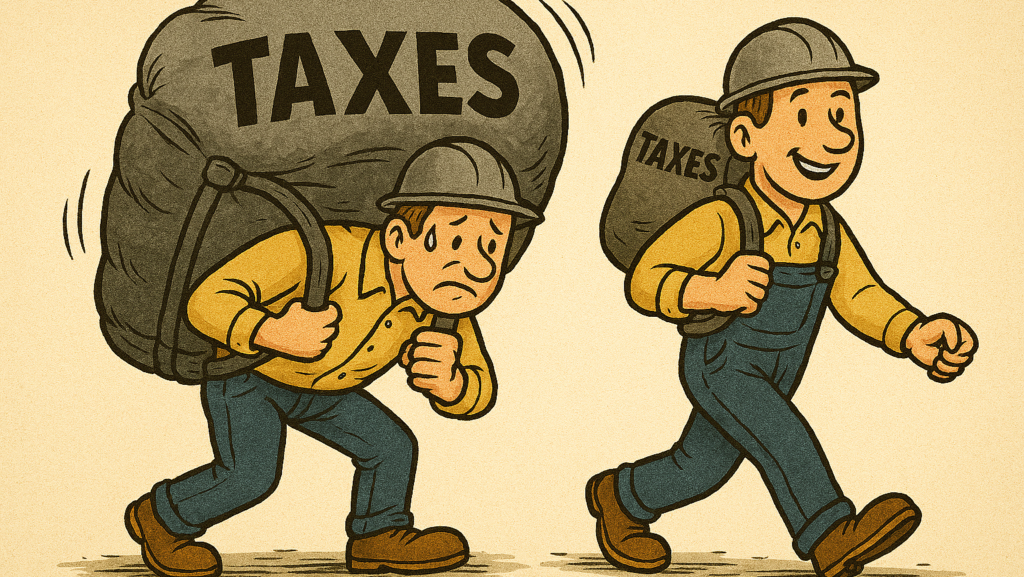
Europeans have not always paid the high taxes they pay today.
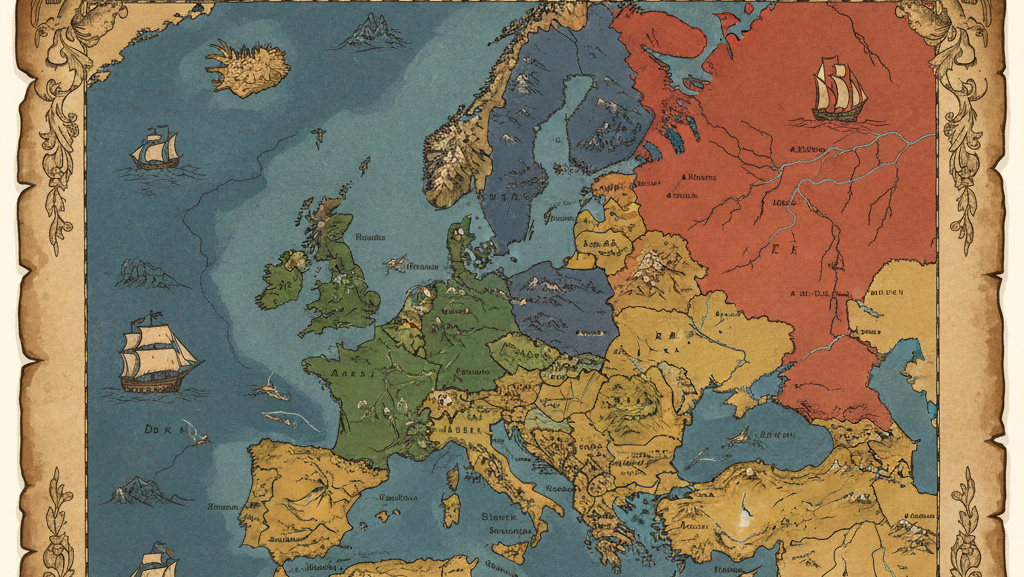
President Trump plays Europe’s political elite like a violin.

As the Arctic opens up, Greenland is becoming increasingly important for security, resources, and access to new shipping routes.

Christians were a majority until the 1980s; today they are roughly one-third, living under growing pressure from a Muslim majority.
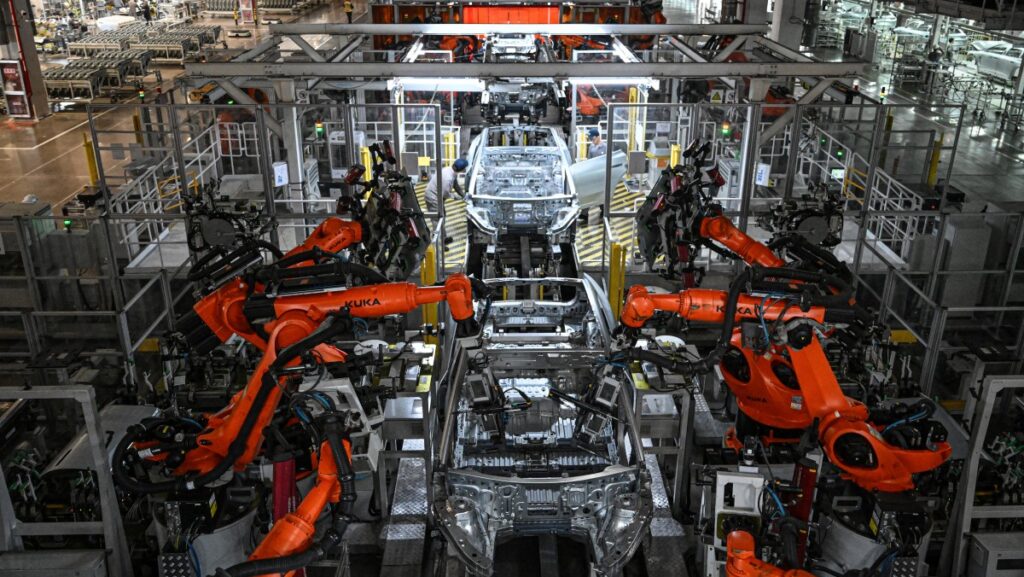
It is a mistake to introduce more protectionism before scrapping domestic policies that badly hurt competitiveness.
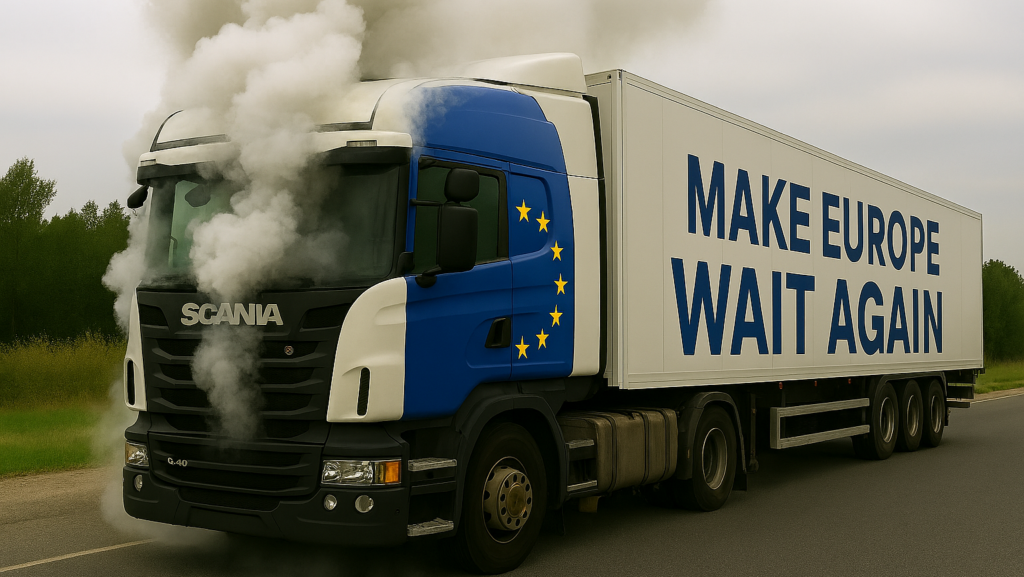
The central bank’s latest forecast cements Europe in a deadlock of stagnation, deterioration, and emerging economic despair.
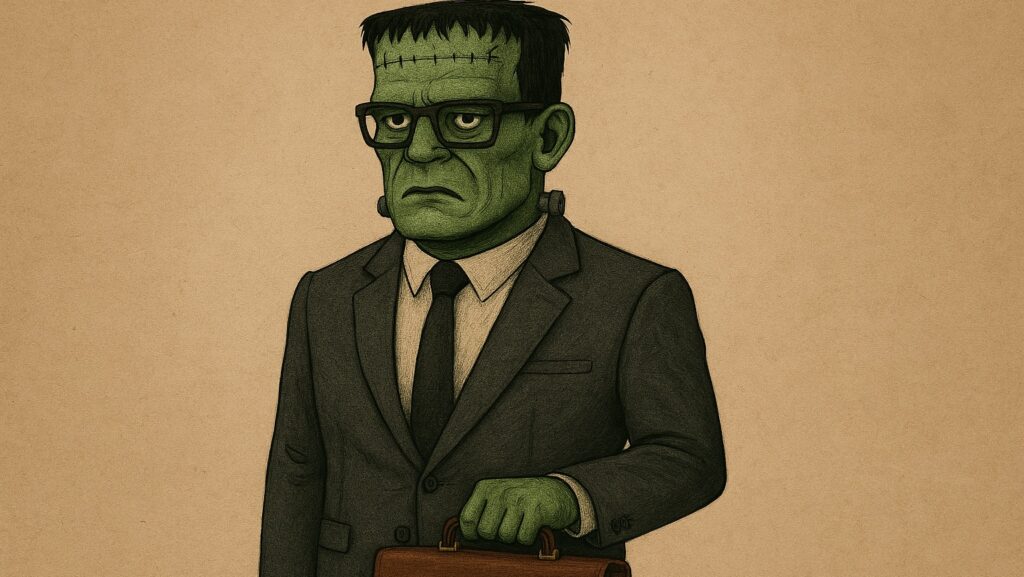
Coalitions are taking over national governments in Europe with only one goal: to keep national conservatives out of government. This is seriously jeopardizing Europe’s future.
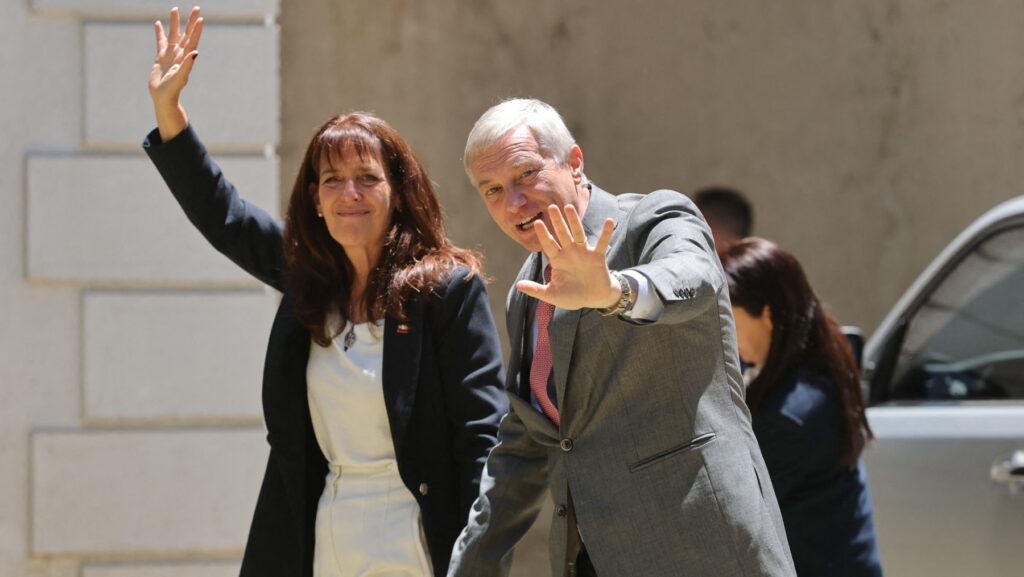
What Kast’s election means is that Chileans understand that destroying the foundations of prosperity is not how one corrects its imperfections.
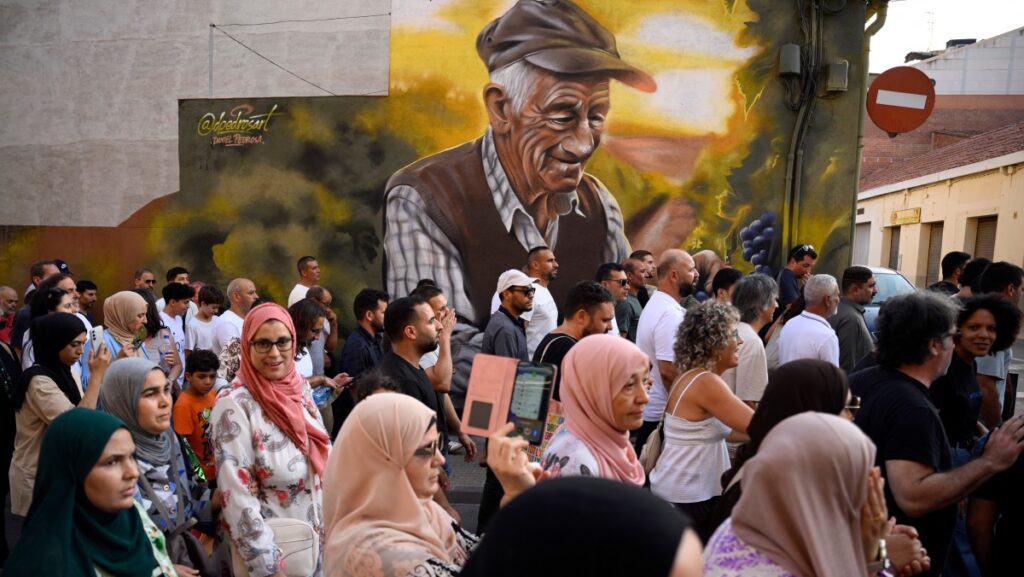
Spain is expanding faster than ever. But the country that grows is less Spanish each year.
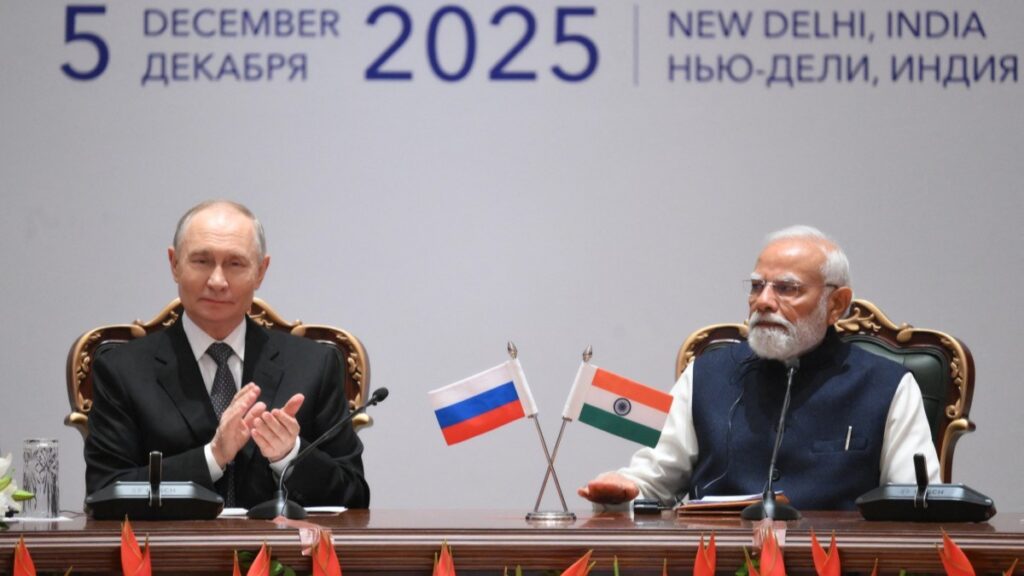
Between New Delhi and Moscow, a profound power shift is emerging—guided less by ideology than by hard national interests.
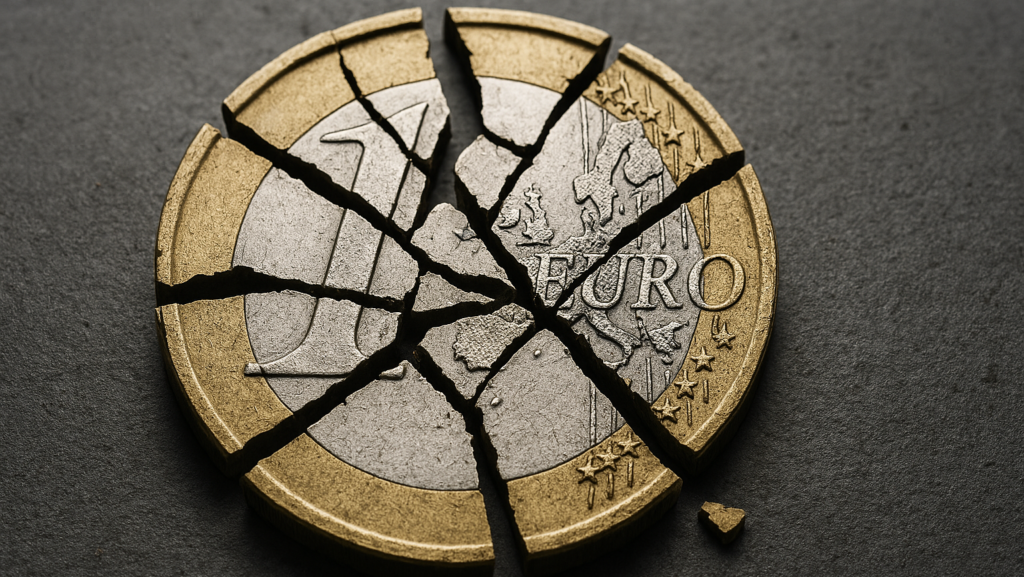
In the wake of Elon Musk’s suggestion that the EU should be abolished, it is relevant to ask what would happen to the European economy if the currency union no longer existed.
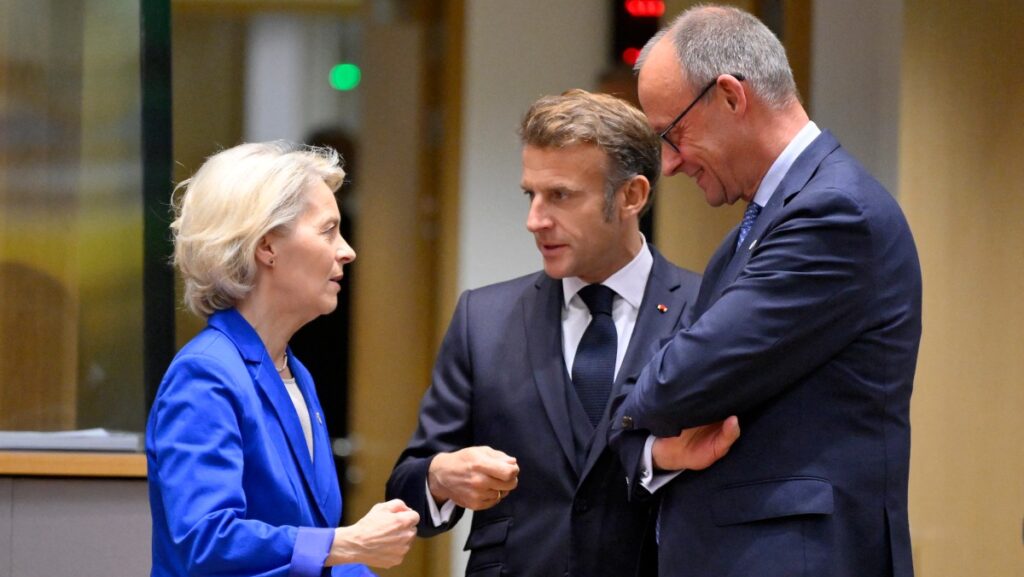
No system limits political power more effectively than the free market. Policymakers in Brussels, Berlin, Paris, and London know this—which is why its defenders are systematically ridiculed.
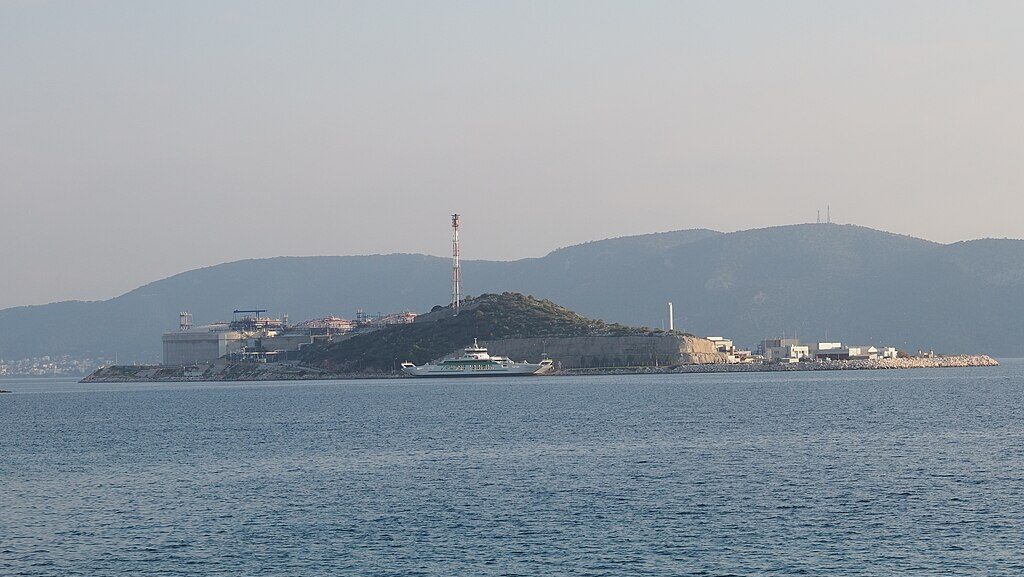
Through consistent investment, reliable partnerships, and a clear commitment to stability, Greece has positioned itself at the heart of Europe’s emerging energy architecture.
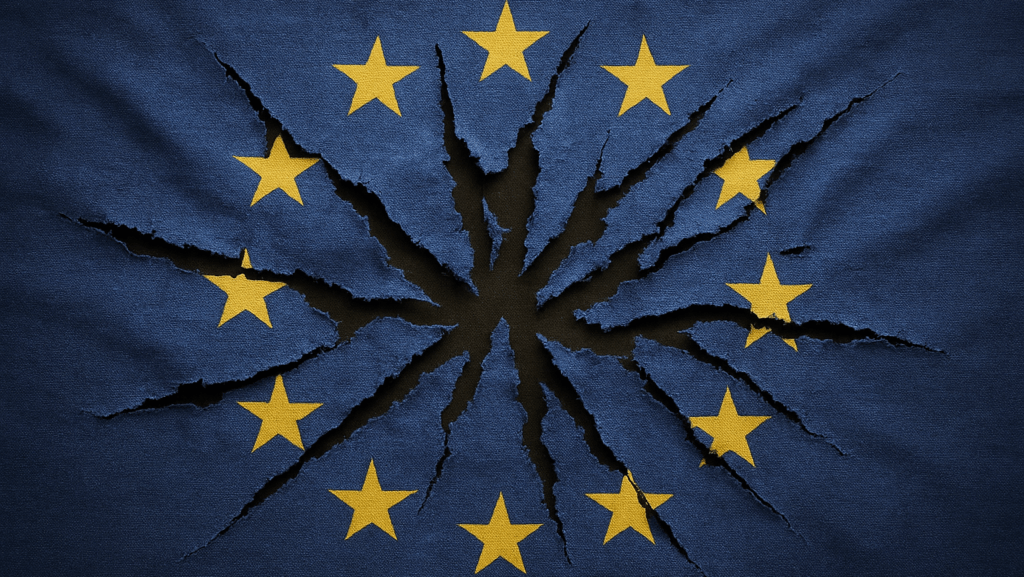
As part of his spat with the EU bureaucracy, the X owner has called for the abolition of the EU. What if his wish was somehow granted?
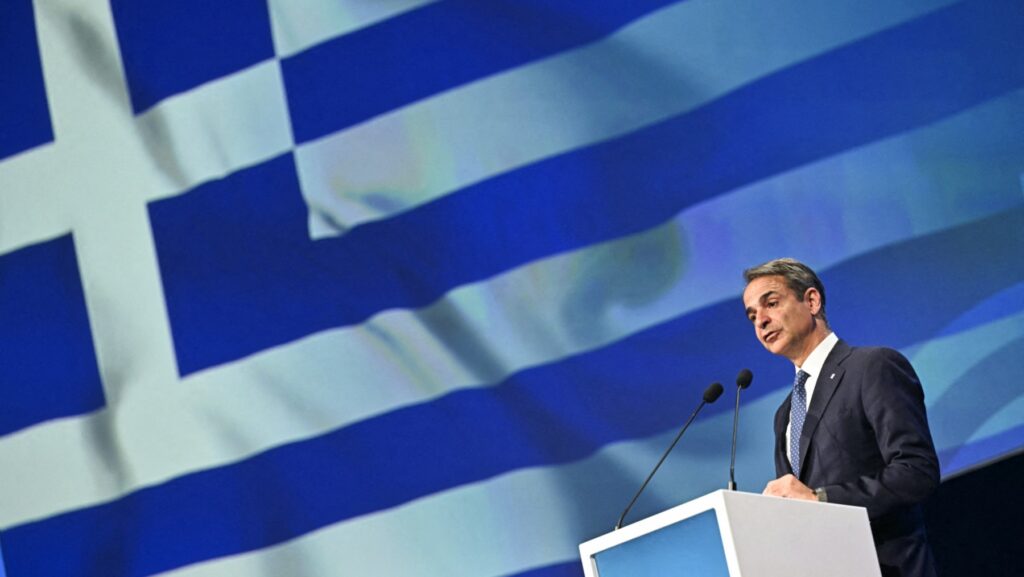
After losing 25% of its economy to austerity policies, Greece has been suffering in poverty for a decade. Now, starting with a promising idea, the government in Athens aspires to rebuild the country.