Eurovision at 70: Bulgaria Wins—Israel in Second Place
Musically, it seemed like business as usual in Vienna, despite months of anti-Israel campaigning beforehand.

Musically, it seemed like business as usual in Vienna, despite months of anti-Israel campaigning beforehand.

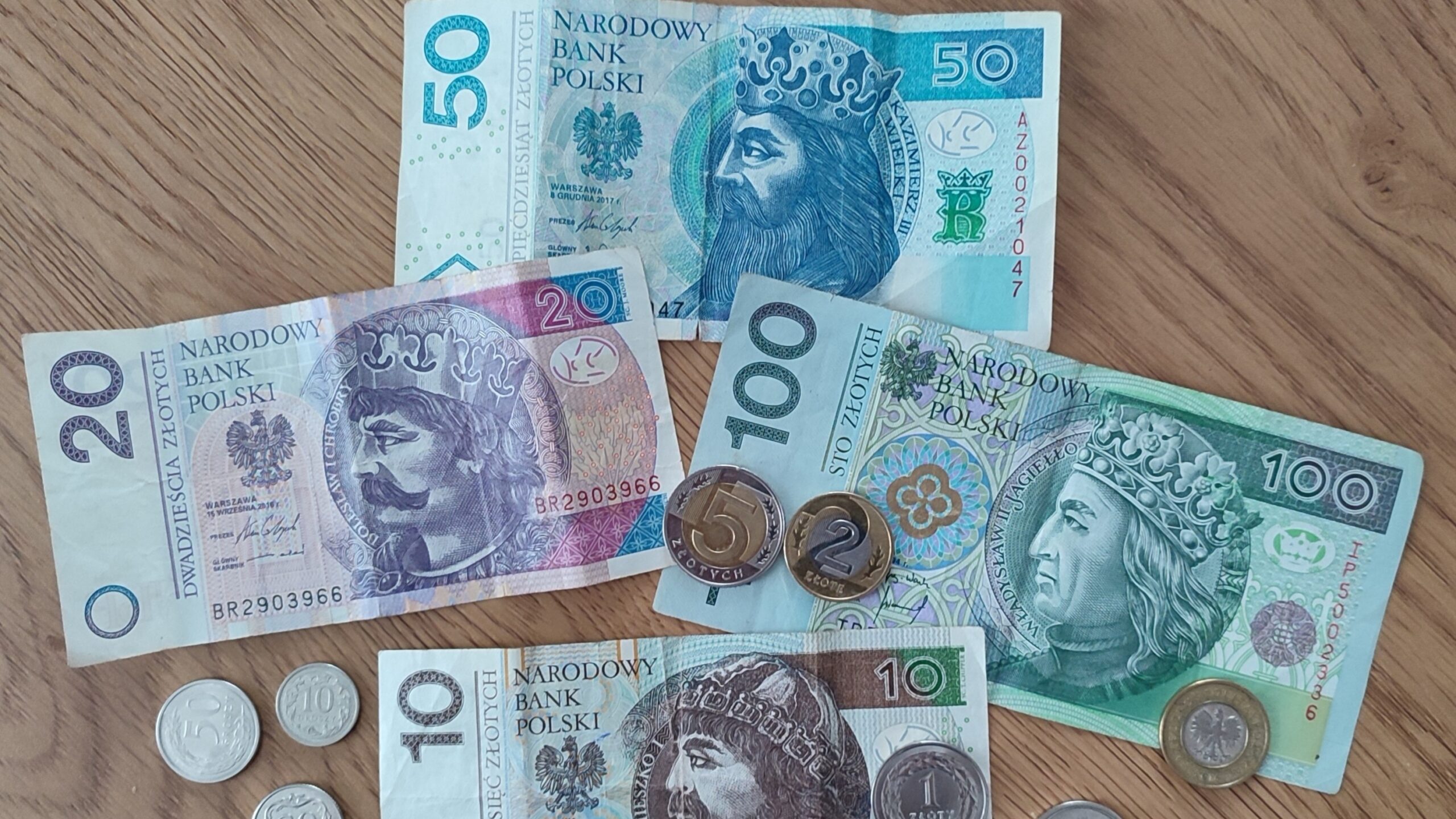
Since joining the EU in 2004, Poles have been steadily losing enthusiasm for the common European currency.

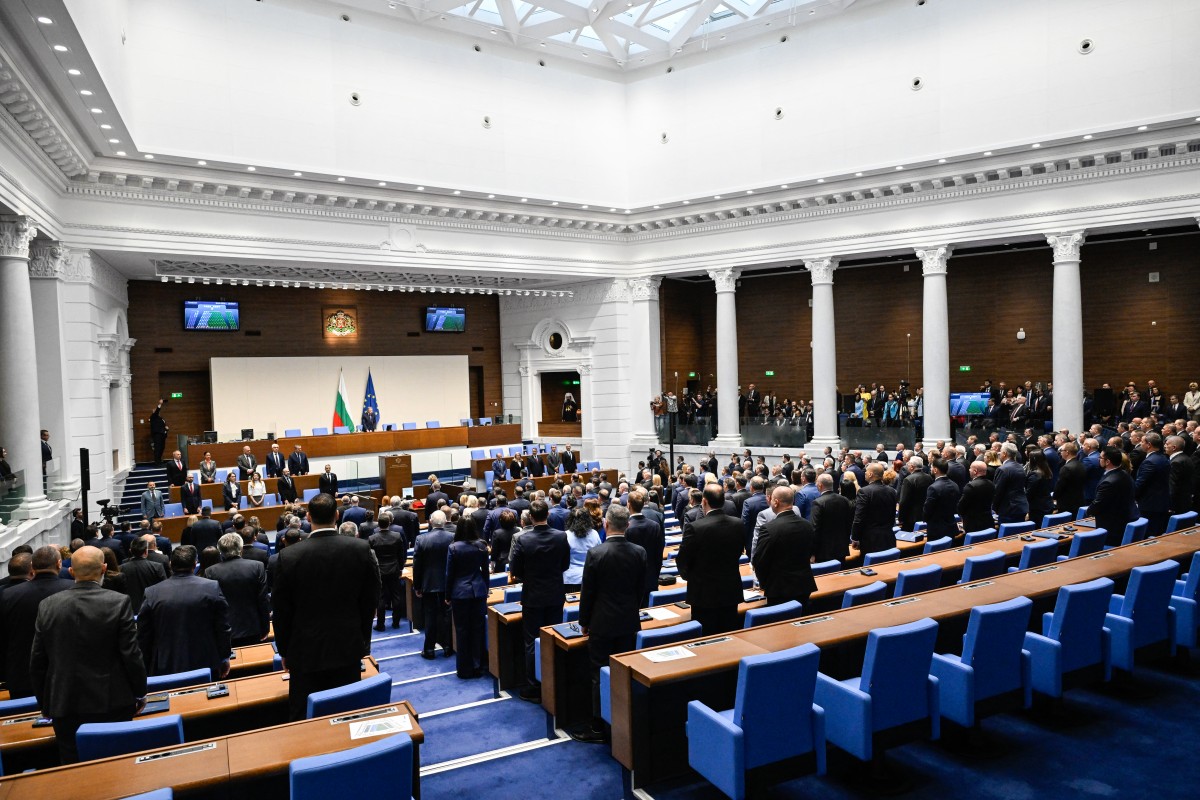
In Sofia’s new parliament, the WCC-DB reformist alliance that campaigned jointly in the April 19th snap elections is now officially divided.

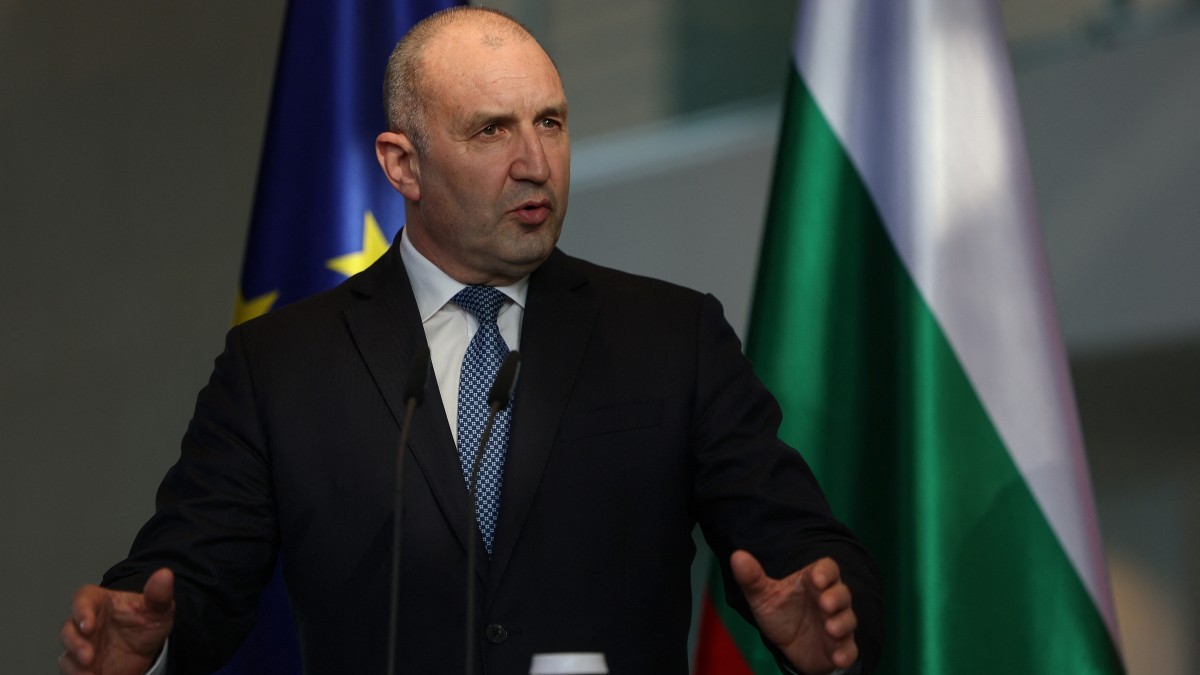
The incoming Bulgarian leader rules out sending weapons to Kyiv but signals he will not block EU-wide decisions.

The Kremlin lauded Radev’s readiness “to resolve problems through dialogue.”

Bulgaria’s former president now leads a newly formed political grouping, with polls suggesting it could win around 35% of the vote.

Former president Rumen Radev’s party is tipped to win Sunday’s vote, but forming a stable government will be hard.

The group also receives funding from George Soros’ Open Society Foundations.

The ruling says it is contrary to EU law for a country to modify the registered sex of a citizen who has exercised freedom of movement.

Polls suggest the political grouping—freshly registered in Sofia—could secure more than 30% of the vote in the upcoming election.