
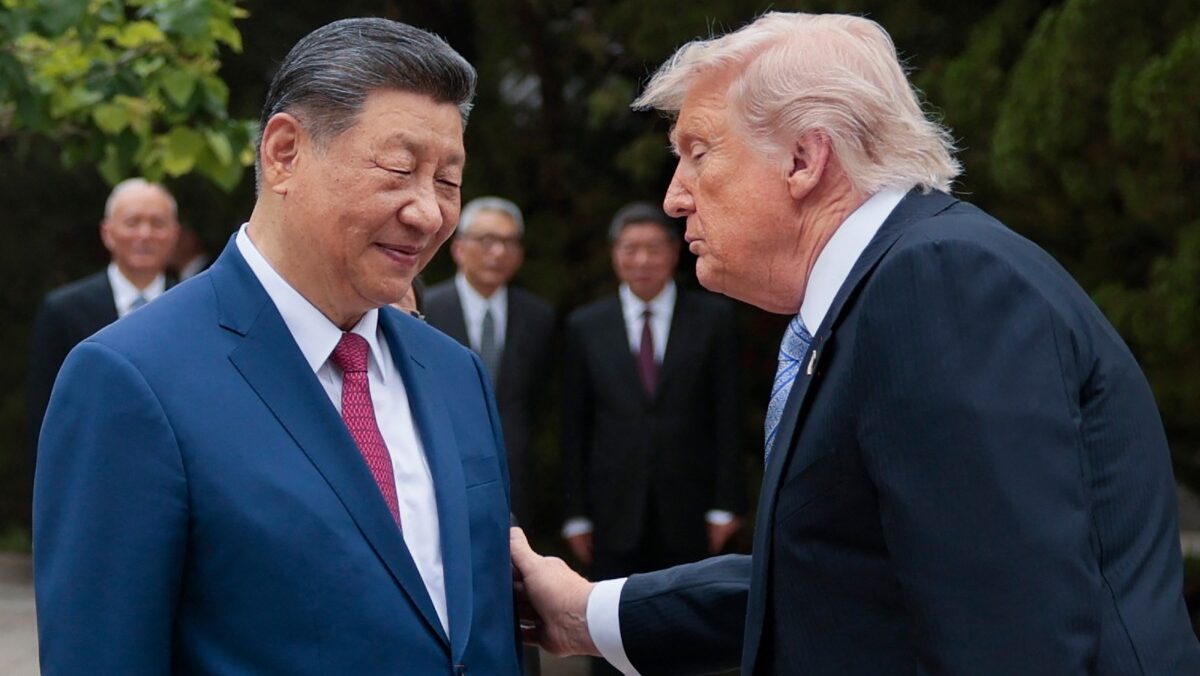
Trump Hails “Fantastic Trade Deals” After Beijing Summit
Trump said “a lot of good” had come out of the visit, without detailing the agreements.

Trump said “a lot of good” had come out of the visit, without detailing the agreements.

Alexander Stubb said it is unlikely Moscow would directly test NATO’s Article 5.
The American AI company turned down a Chinese request to access Claude Mythos, a highly restricted AI system viewed as serious national security technology.
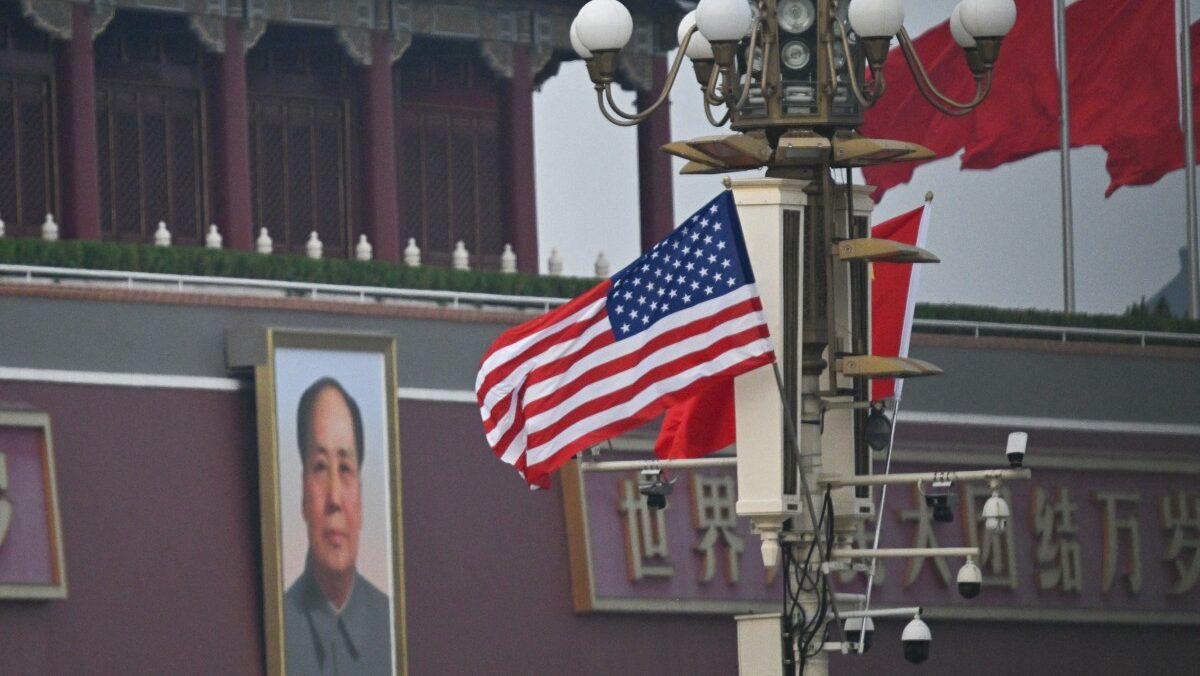
Brussels has spent years talking about “strategic autonomy,” but the Trump–Xi summit may expose just how dependent Europe still is on foreign powers.
Prosecutors said Eileen Wang and an associate operated a website used for pro-Chinese propaganda between 2020 and 2022.
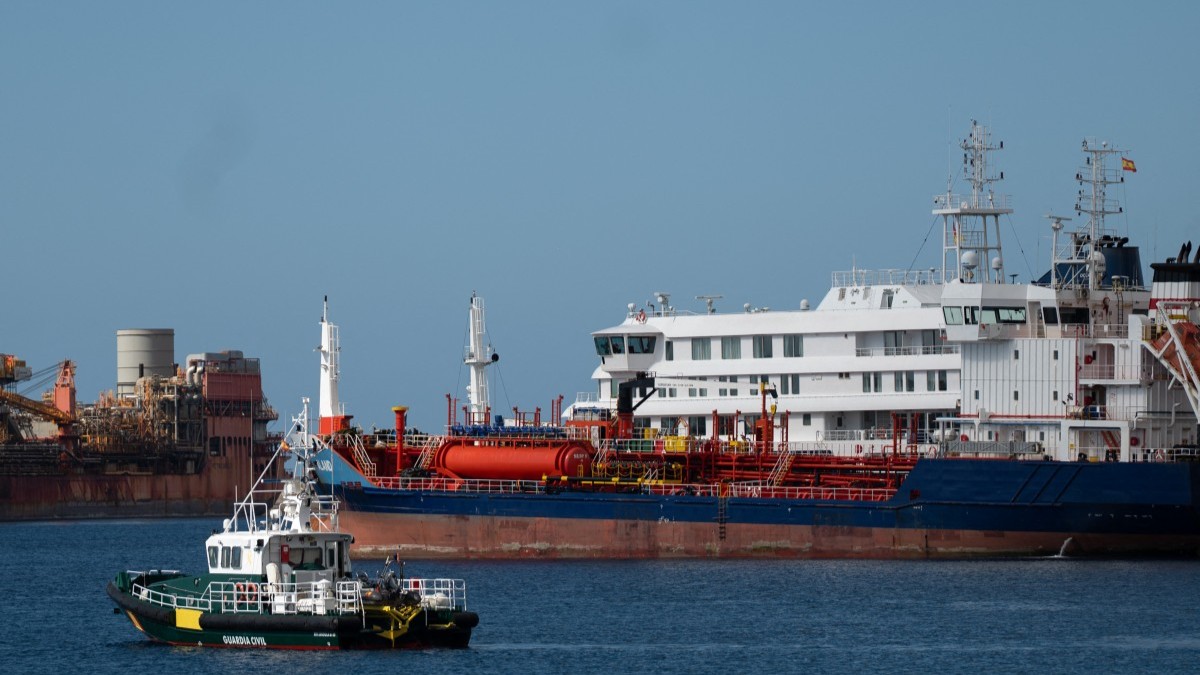
The WHO insists the hantavirus should not be compared to COVID-19 and that the public health risk posed by it is low.
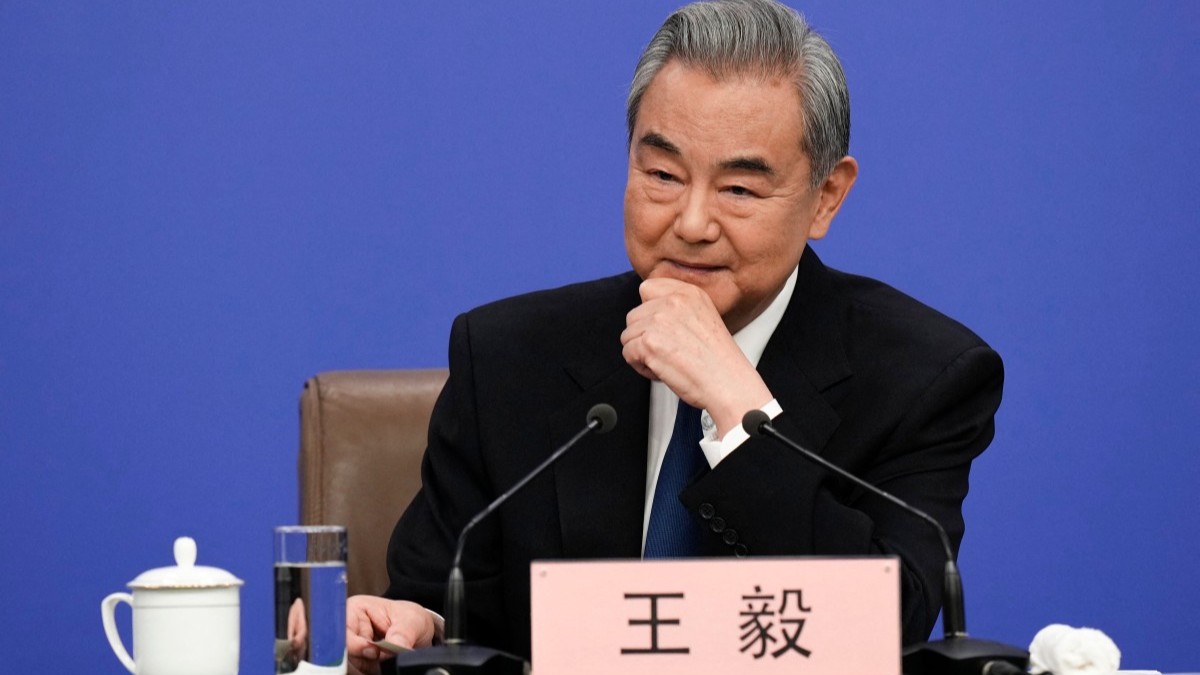
Beijing has stated that all parties must heed the international community’s call to resume safe maritime traffic through the strait.
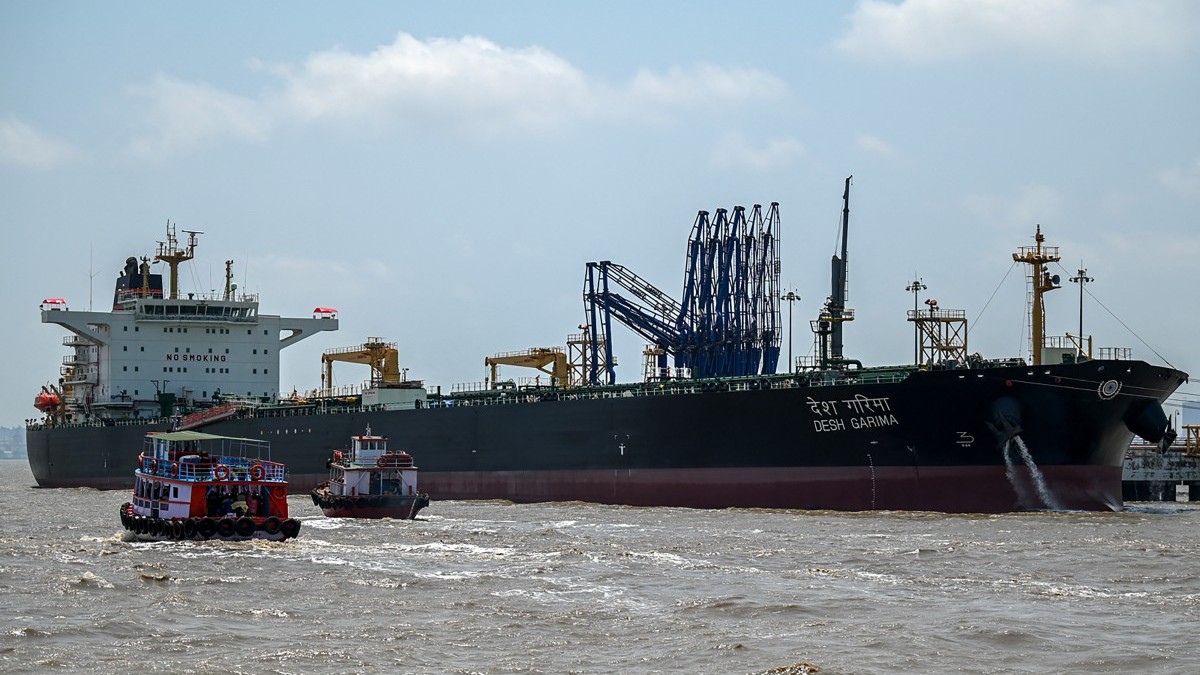
The Iranian military threatened attacks on any U.S. forces entering the Strait of Hormuz after President Donald Trump announced plans to escort ships through the waterway.
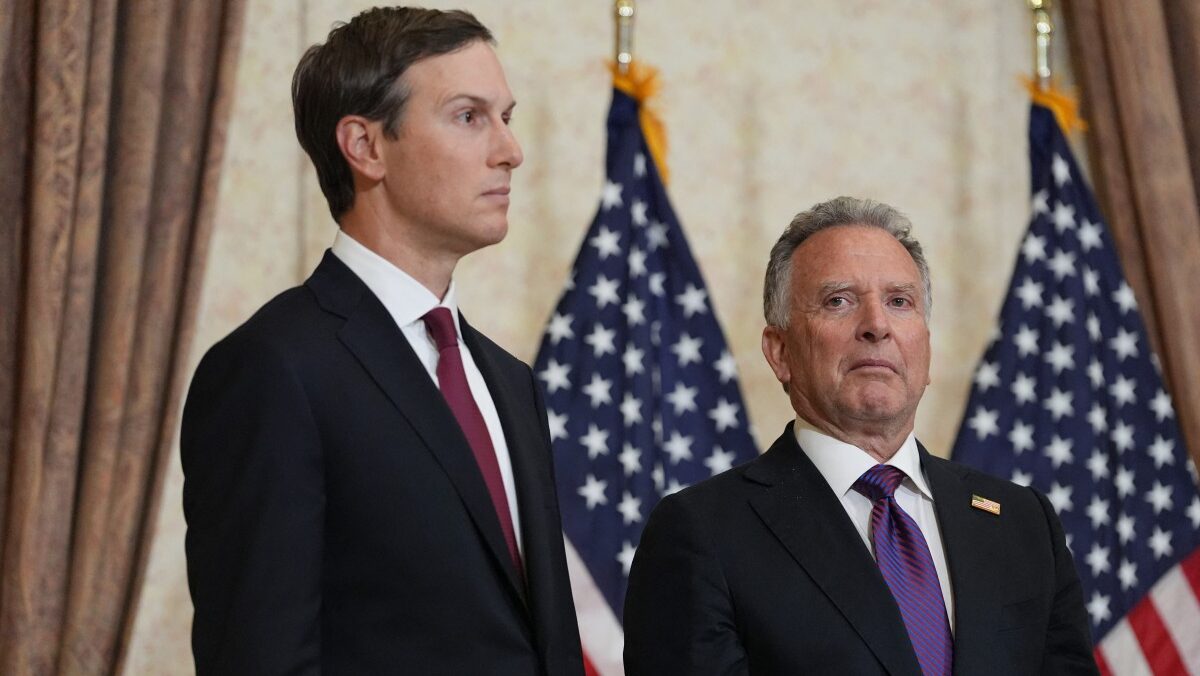
Washington sought to revive stalled negotiations and Tehran insists on indirect talks—ultimately prompting Trump to withdraw his key representatives.
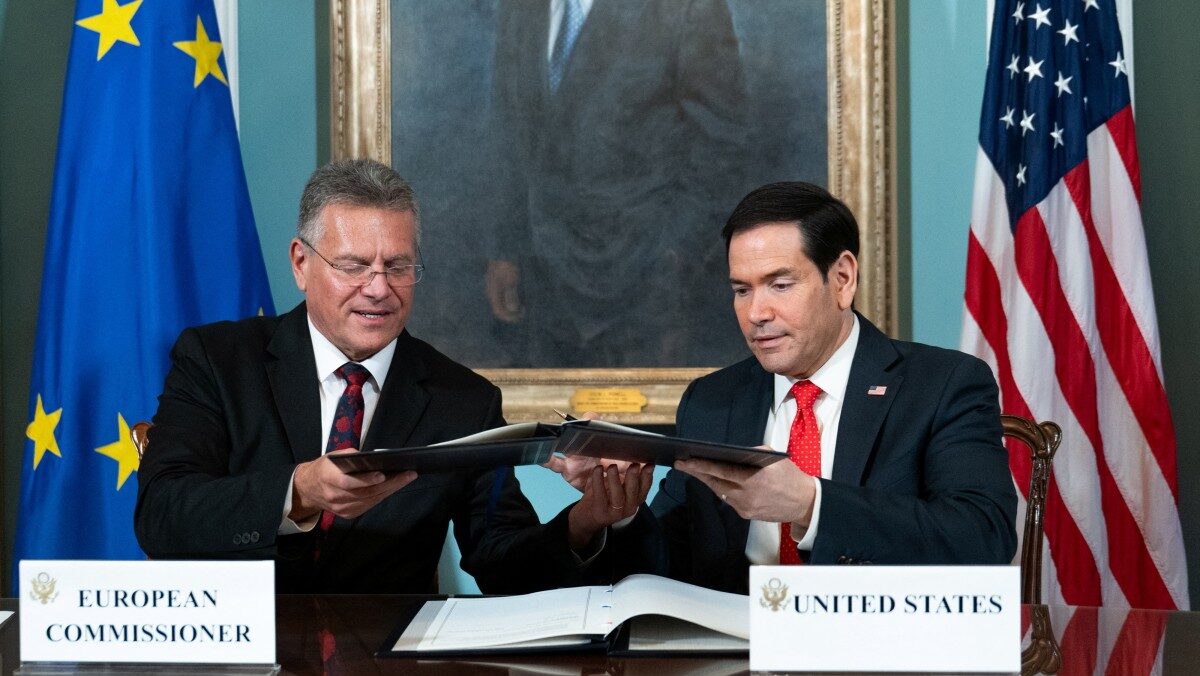
New U.S.-EU pact targets vulnerable supply chains as China’s dominance over critical minerals raises economic and security concerns.