

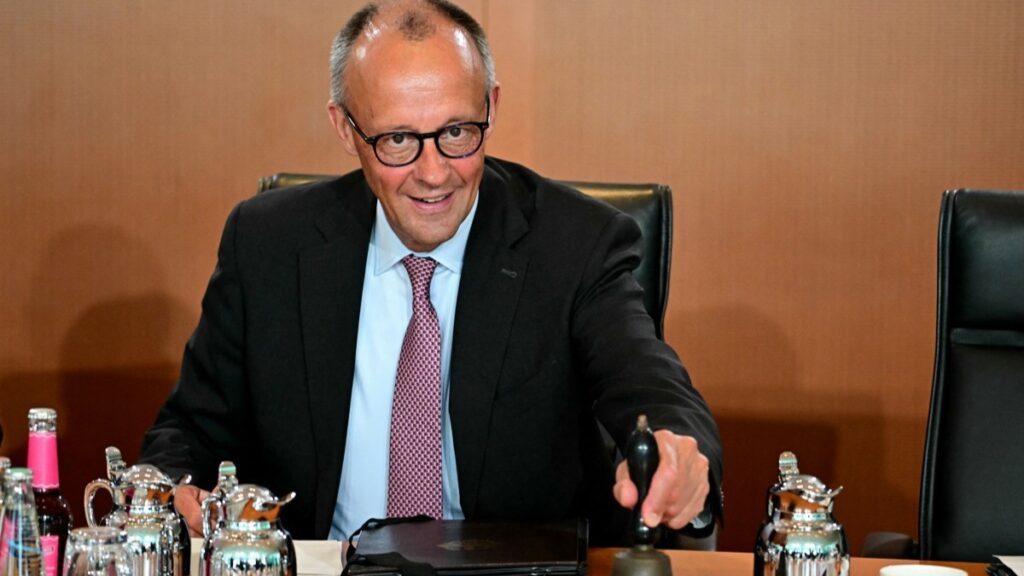
Germany’s Welfare Model Has Reached the End of the Road
Chancellor Merz has conceded that Germany can no longer sustain its expansive welfare state—a fiscal surrender to economic reality that other nations may soon be forced to replicate.

Chancellor Merz has conceded that Germany can no longer sustain its expansive welfare state—a fiscal surrender to economic reality that other nations may soon be forced to replicate.
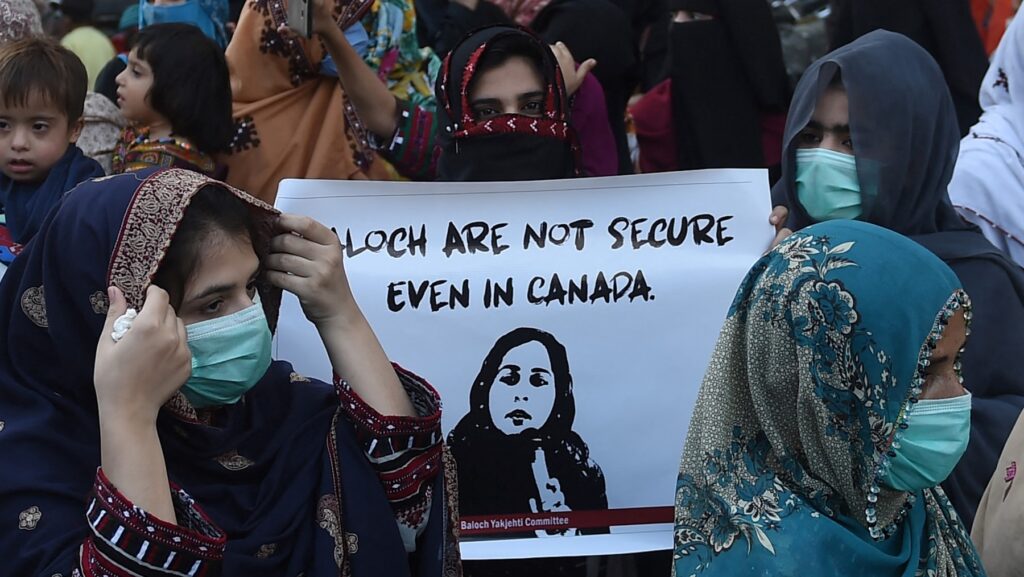
Pakistan’s repression of its overseas critics demonstrates how mass, unvetted Islamic migration affects free speech in the West.

Doomsday reports on Hungary’s economy are everywhere—but most read more like wishful thinking than real analysis.

The EU continues to fund the Turkish-occupied part of Cyprus despite ongoing breaches of international law by its self-declared authorities.

Despite widespread predictions, Russia’s economy hasn’t buckled under sanctions—but cracks are starting to show.
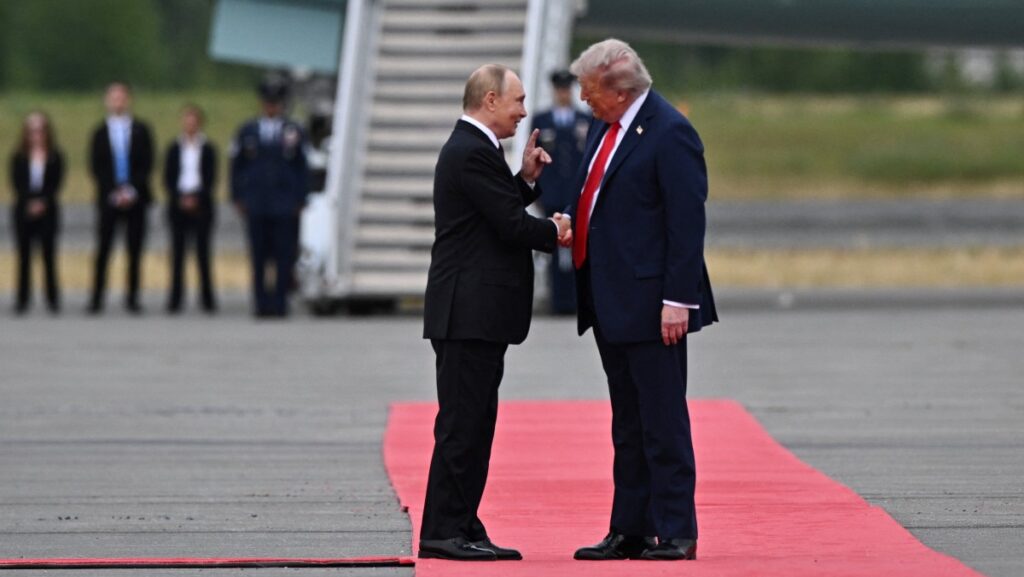
Normalcy in Russia–U.S. relations will transform conflict into cooperation in many parts of the world.

Ursula von der Leyen’s tariff deal with Washington marks the clearest admission yet of Europe’s diminished status in the transatlantic order.

As some countries ramp up social benefits to strengthen emerging welfare states, others are scaling back in a bid to rein in systems that have grown beyond what their tax bases can sustain.

Why is the world so silent in the face of the murdered, persecuted, and starving religious minorities in Syria?

Is the West falling apart? It certainly will if the moral incoherence illustrated in the EU reports succeeds in fully displacing the Judeo-Christian heritage that made the West what it is.

The court did not rule on the merits of the case, but its hostility towards right-wing parties comes as no surprise.
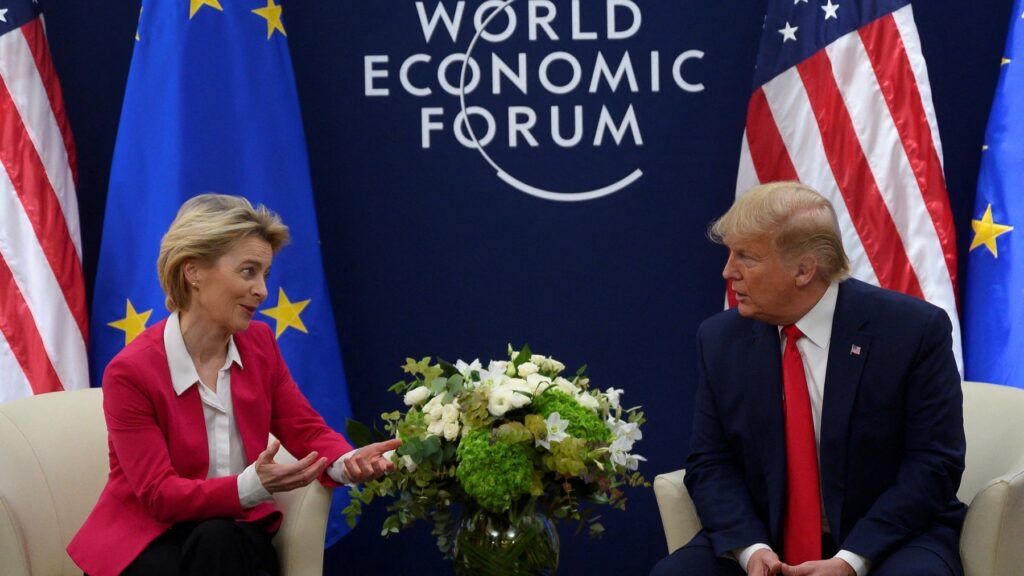
Somewhat under the radar, the EU has already made a major concession to the U.S. president.
The floodgates are open: debt-financed stimulus is once again the weapon of choice against recession.

Economic theory promised that free trade would bring new levels of prosperity to Europe. That did not happen. The continent needs a Trump-style rethinking of its economic future.
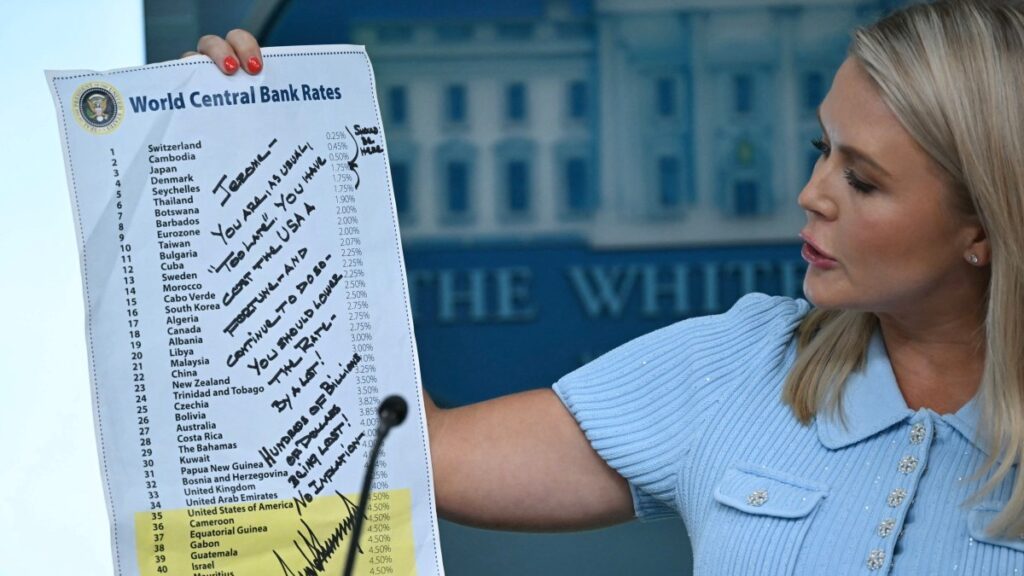
The U.S. president took credit for ending high inflation, but his push for low interest rates risks bringing it back, worse than before.
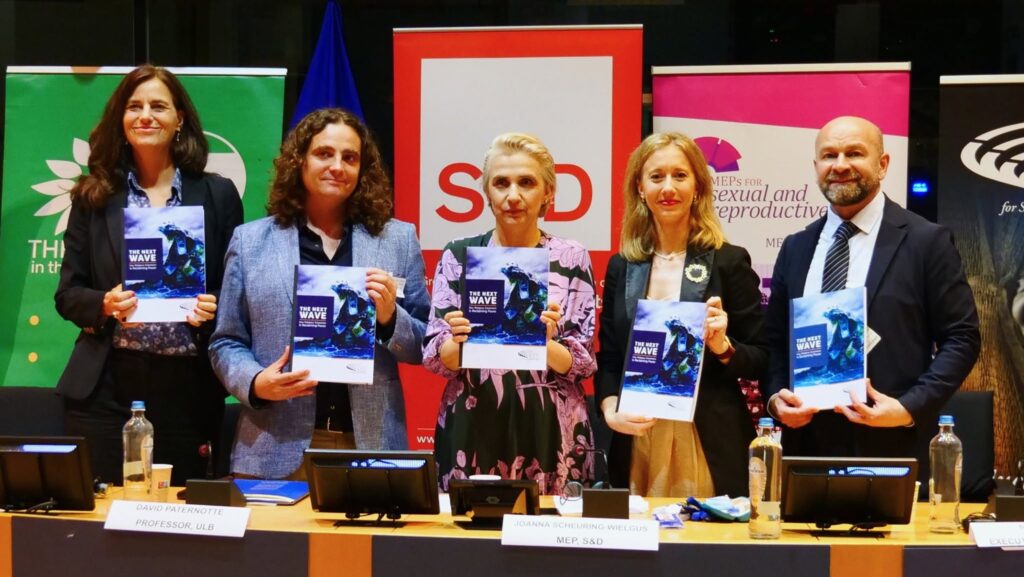
A European Parliament-linked group warns of a ‘radical threat’ from religious conservatives—meaning anyone who defends life, family, or faith.

When voters backed a conservative, PM Tusk’s establishment scrambled to fake doubts and ignore the verdict.

The European Parliament recently approved a financial assistance package for Egypt worth €4 billion, despite the country’s ongoing persecution of the Christian population.
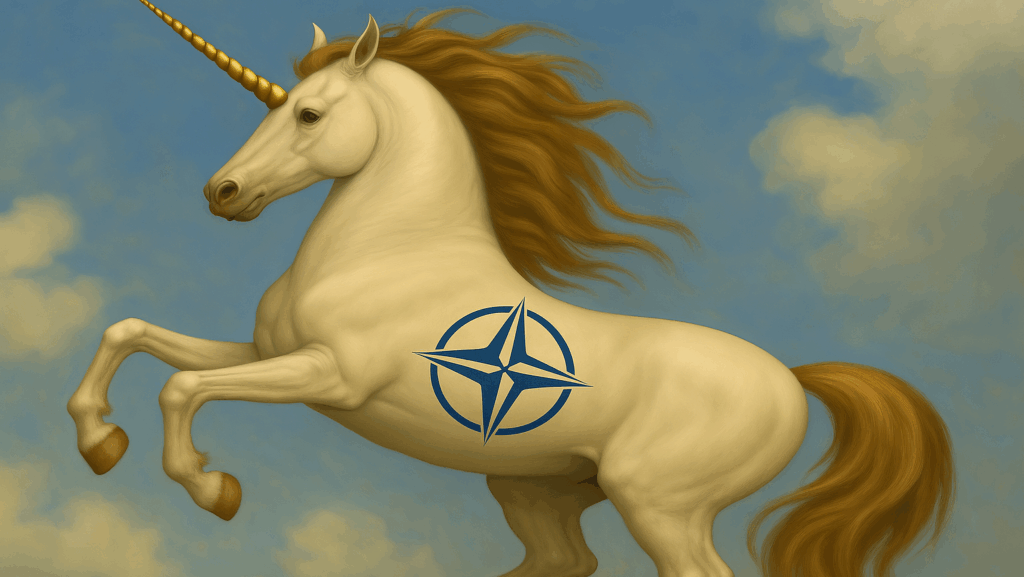
It would be surprising if even half of the European NATO members could expand defense spending as much as the alliance requires.

“Recognition is not only a matter of historical accuracy but also one of solidarity and ethical responsibility.”

Rising defense spending will cause fiscal fights in many NATO countries. In Spain, the tension between social benefits and military outlays is perhaps more pointed than anywhere else.
As many EU states still feel the burn from 2022’s inflation peak, new policies risk reigniting the fire.