
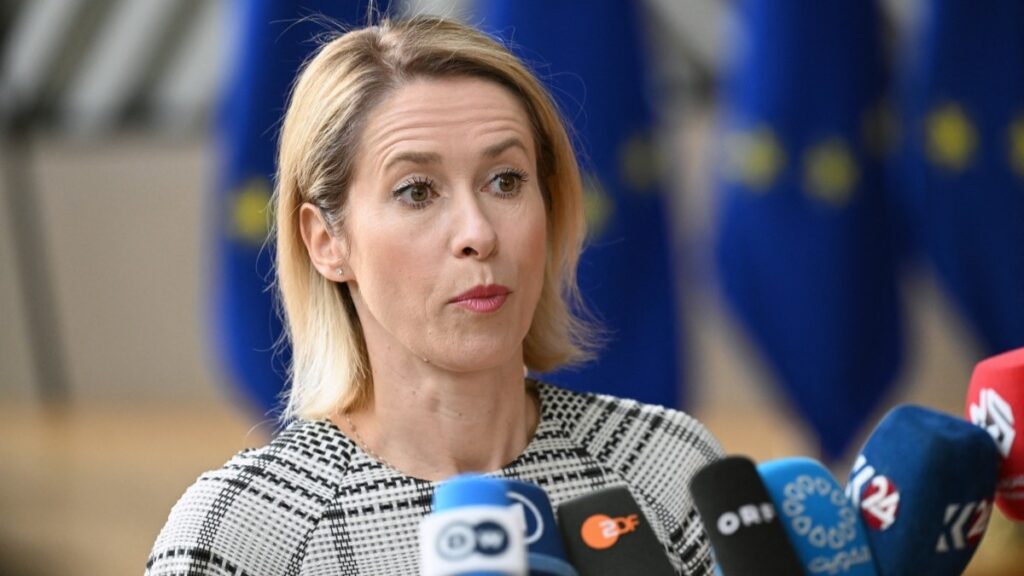
EU Sanctions Imposed on Israel Over “Settler Violence”
The foreign minister of the European Union approved the sanctions after the new Hungarian administration broke with the previous Budapest stance of vetoing anti-Israel measures.

The foreign minister of the European Union approved the sanctions after the new Hungarian administration broke with the previous Budapest stance of vetoing anti-Israel measures.
The report says abuse was often carried out in ways designed to intensify fear and humiliation.
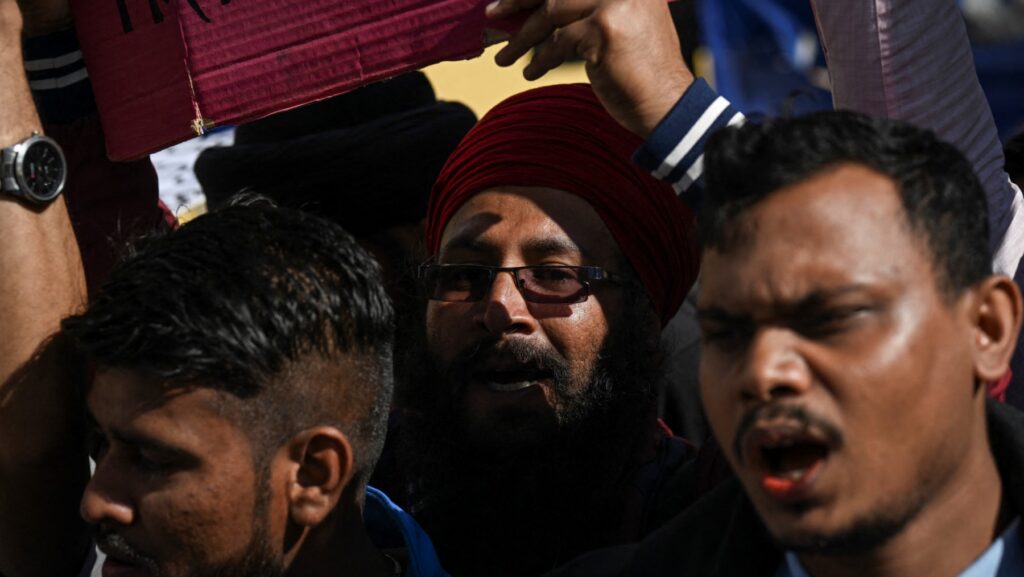
Portugal has been denationalised, deconstructed as a national community, and converted into a confusing, shifting ethnic puzzle. This is no longer a recipe for disaster—it is an existing one.
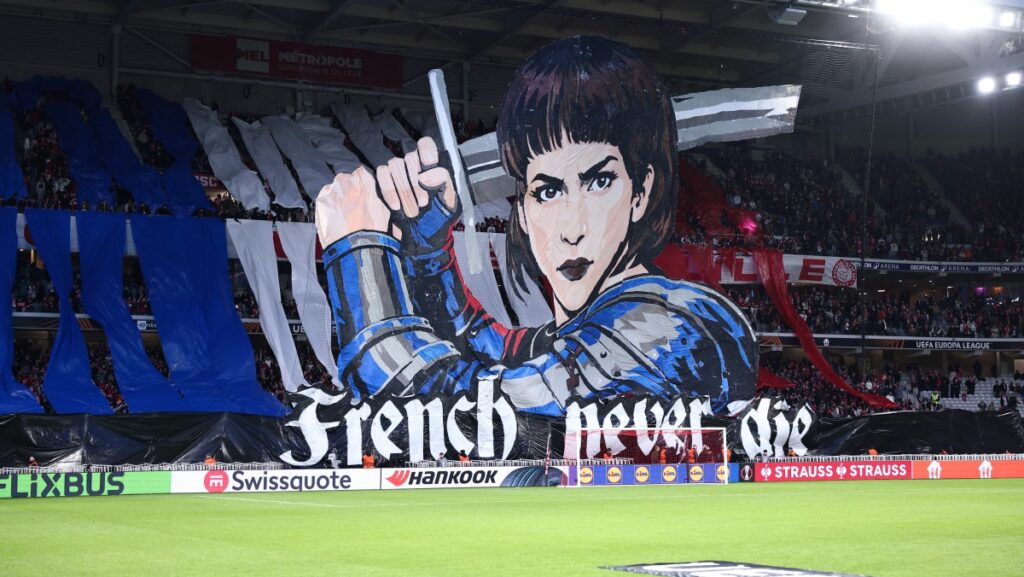
Across France, official commemorations are descending into increasingly hysterical ideological clashes over history, identity, and national memory.
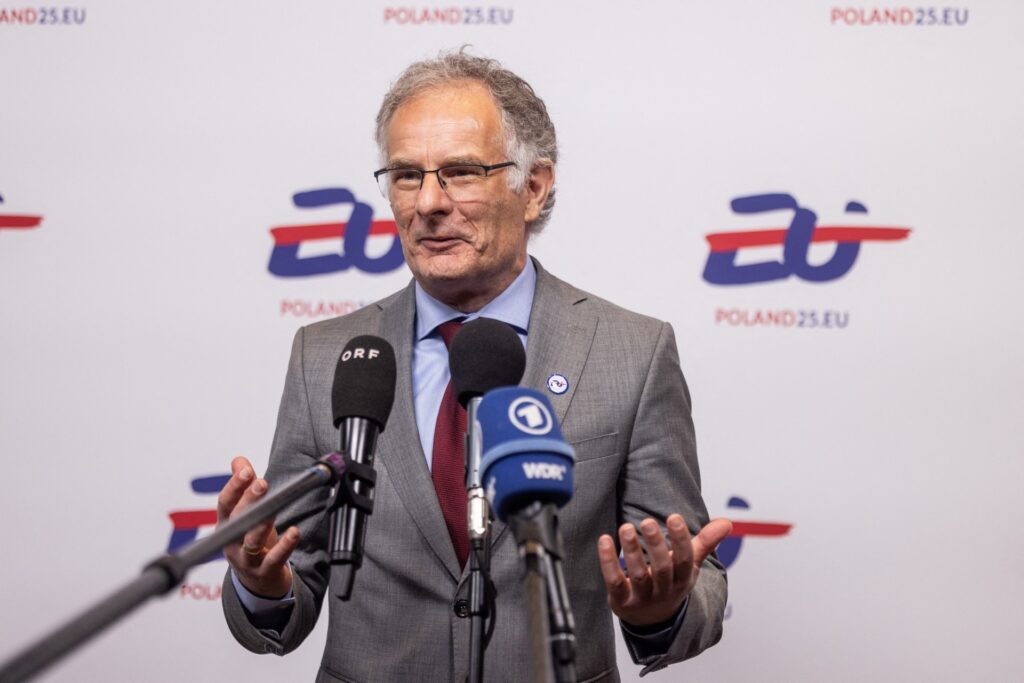
More than €18 billion in cash and precious metals transited through Austria on their way to Kyiv since the war began.

Warsaw’s deputy foreign minister confirmed Poland’s court filing—and requested the implementation of the deal be paused during proceedings.
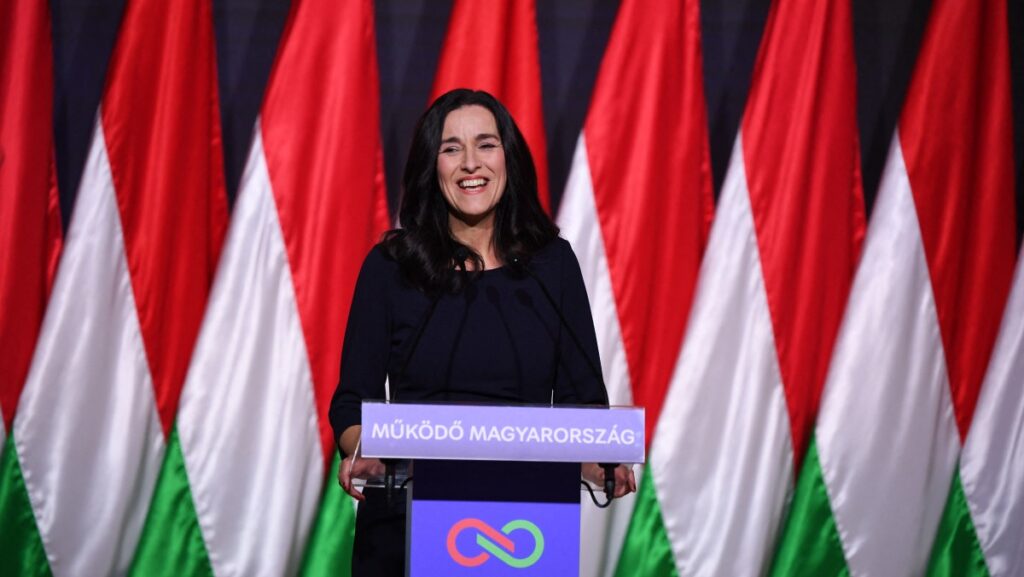
Hungary’s new leadership is signalling a softer approach to Brussels, raising questions over veto powers, Ukraine policy, and frozen EU funds.
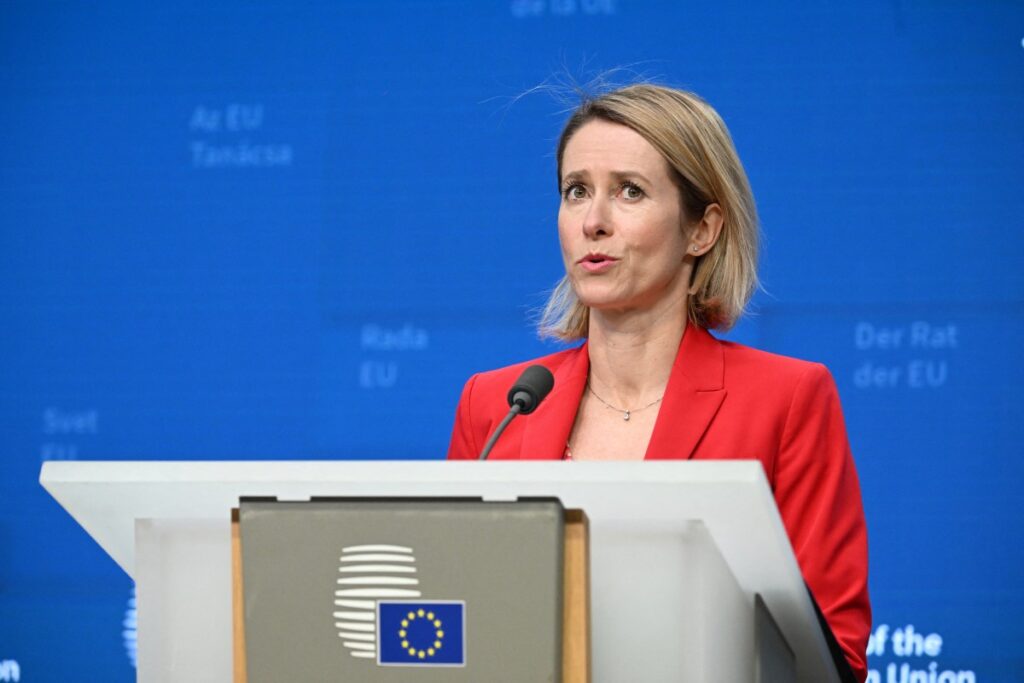
Israel’s foreign minister said the country “has stood, stands, and will continue to stand” for Jewish settlement in the heart of its own homeland.
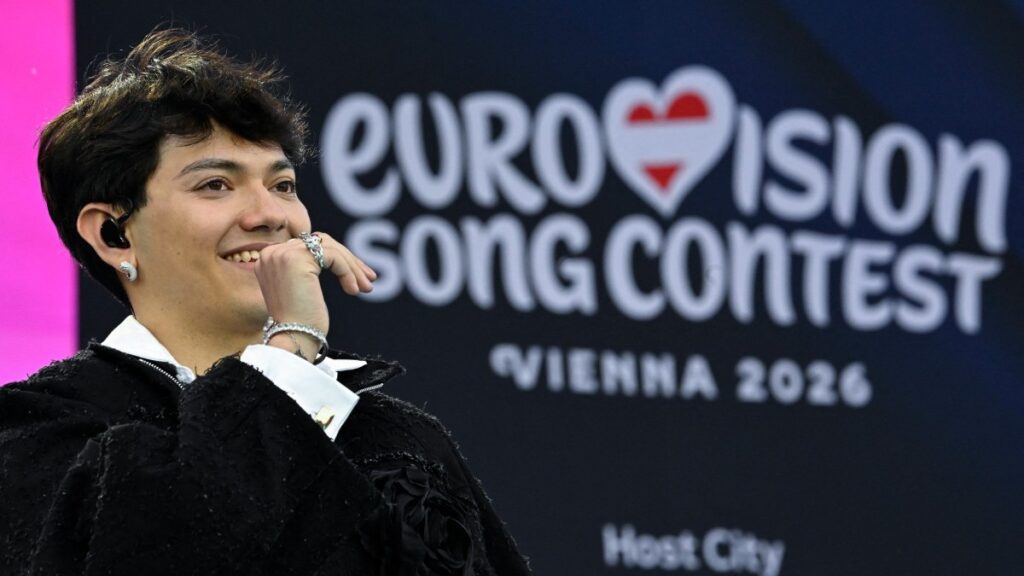
Only 35 countries are taking part in this year’s Eurovision, marking the smallest lineup since the contest expanded in 2004.
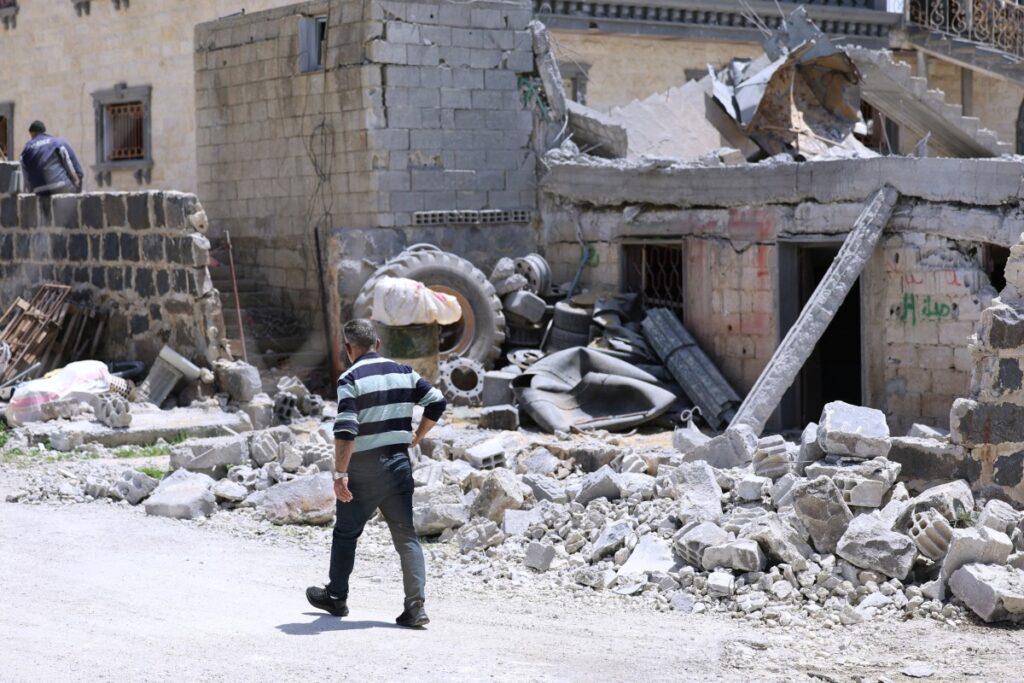
Brussels foreign ministers agreed to reopen the suspended framework prior to scheduled talks with the Syrian interim foreign minister.
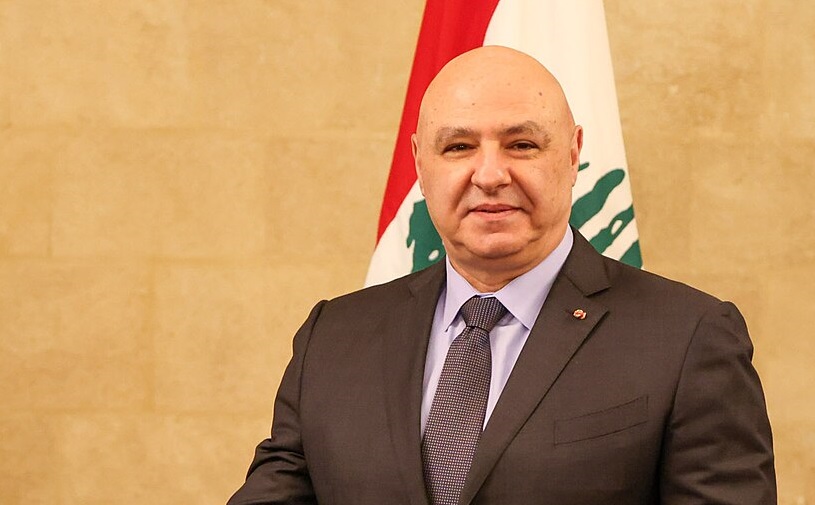
Hezbollah’s Radwan Force has suffered a significant leadership blow in a late-night raid on Beirut, even as the group continues to launch deadly drone strikes against Israeli border positions.
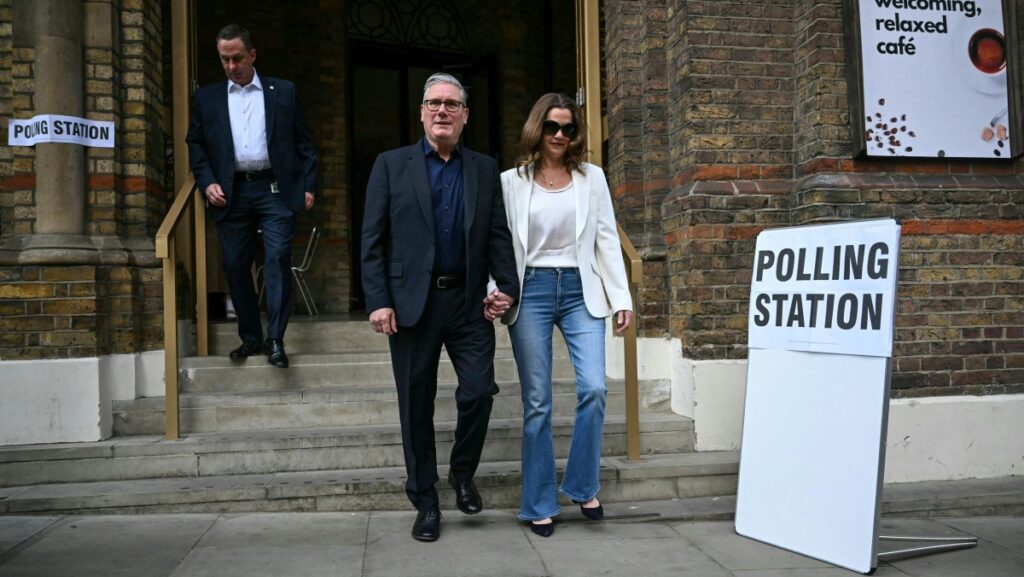
With thousands of seats in play, the vote could expose how far support for Labour has slipped.
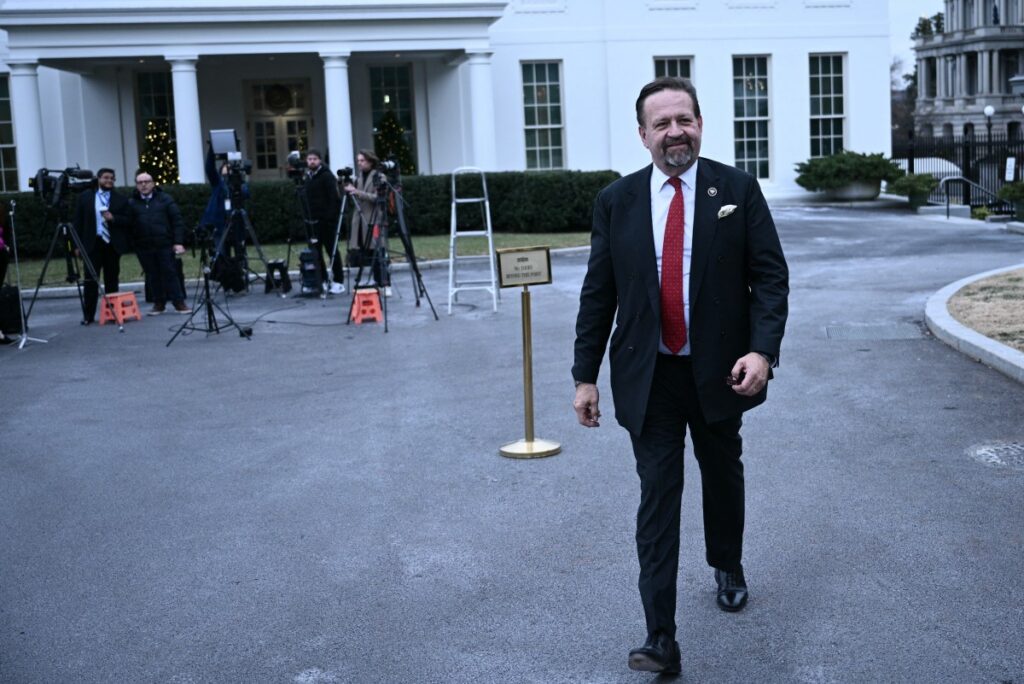
A new White House briefing document highlights “violent left-wing extremists, including anarchists and anti-fascists,” calling for their “rapid identification and neutralization.”
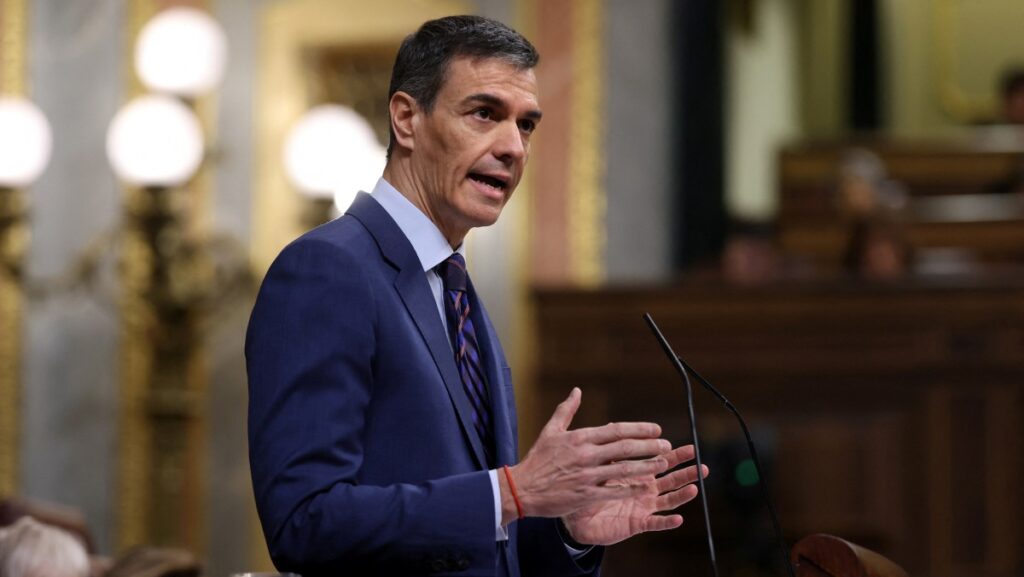
EU rules say recovery funds should go to reforms and investment—not routine spending like pensions.

A deepening law enforcement scandal stems from initial charges brought in January against two officers in their 20s, accused of torture, rape, and abuse of power.
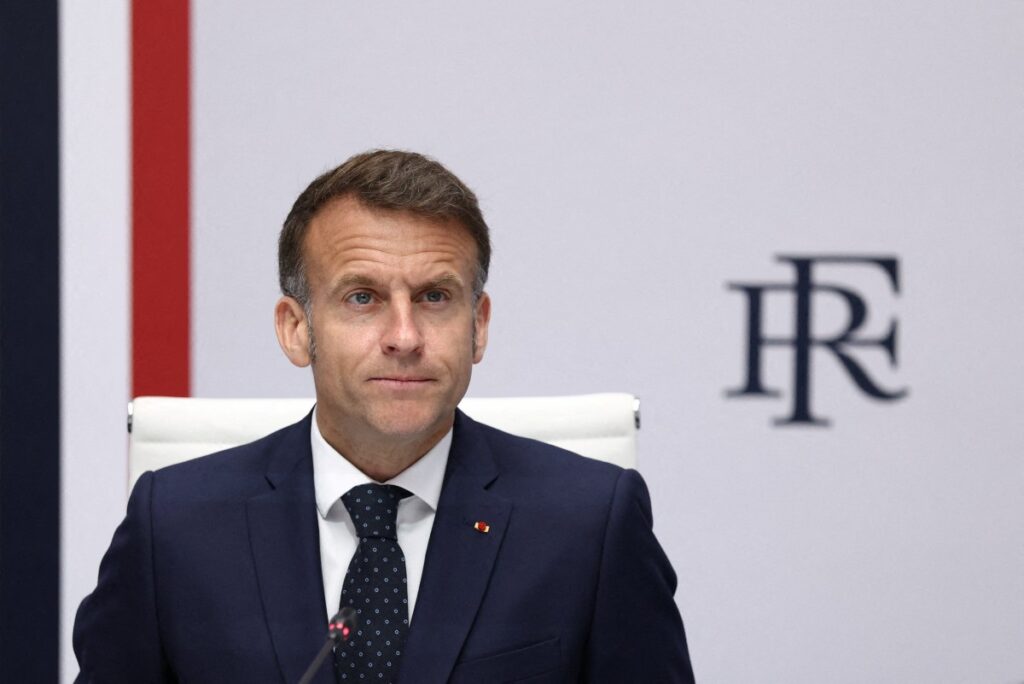
France has launched its most significant military intervention of the 2026 conflict, sending the Charles de Gaulle carrier group to the Red Sea to spearhead a new multinational security mission.
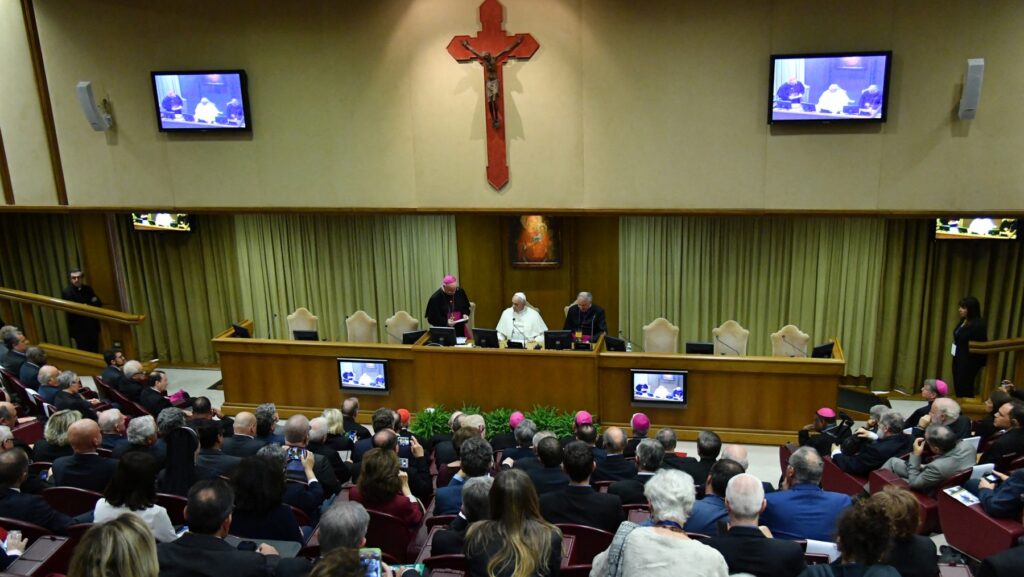
When abortion is treated as an unquestionable ‘right,’ even the Vatican’s Pontifical Academy for Life no longer requires its scholars to be pro-life.
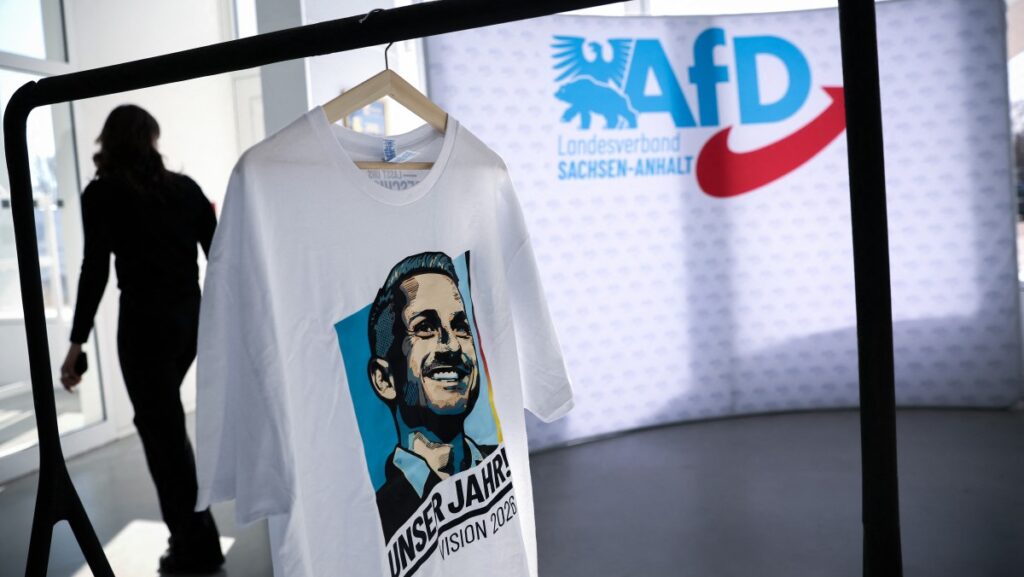
Mainstream politicians are engaging in blatant scaremongering with fabricated consequences, while openly admitting they will block the peaceful transfer of power if the AfD wins state elections.
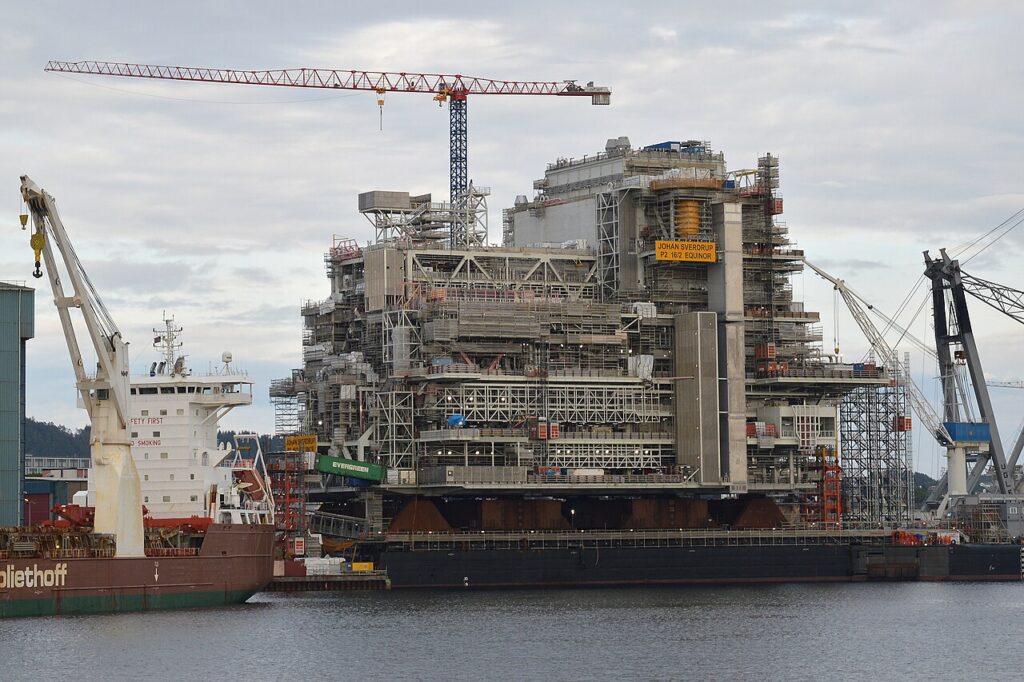
Seeking to bridge a catastrophic gap in global energy supplies, Norway has authorized the reopening of three major North Sea gas fields for the first time in nearly thirty years—sparking a Net Zero backlash.
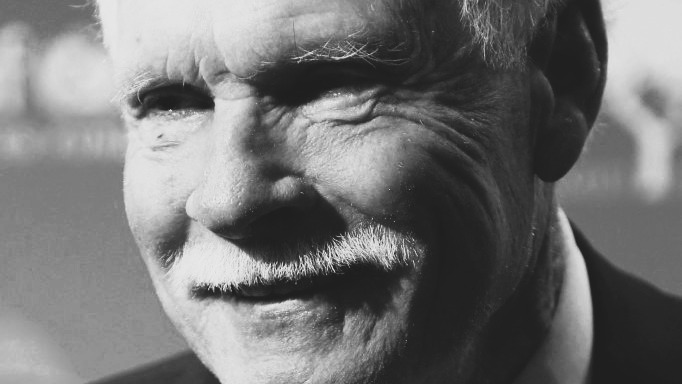
CNN CEO Mark Thompson called Turner “the giant on whose shoulders we stand.”

There is little doubt that Sarkozy benefited from a system of corruption, with dramatic international consequences.
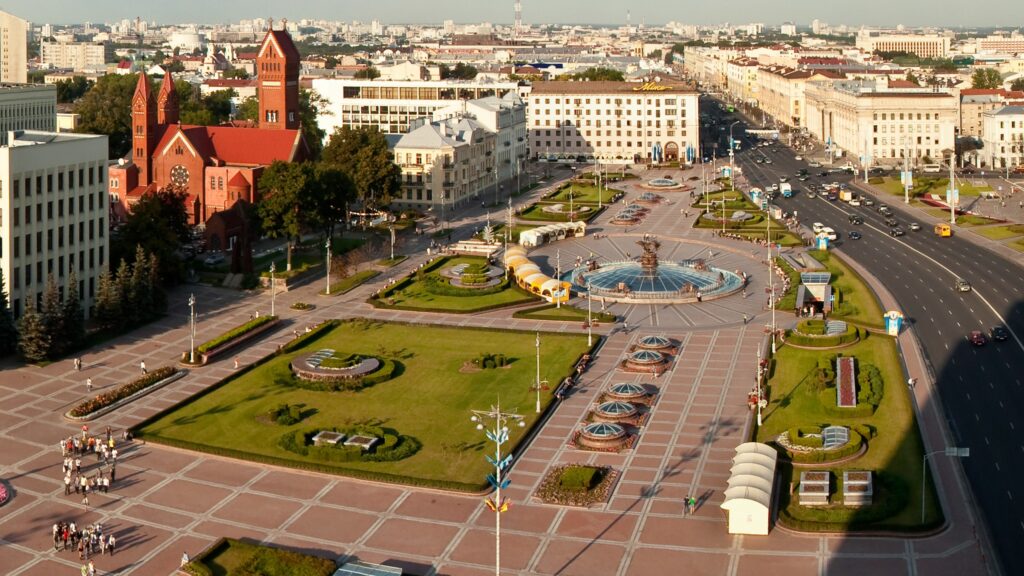
The dispute between the two countries escalated after Armenian diplomat Alen Simonyan said, “Armenia should not become a [province] and be governed the way Belarus is.”