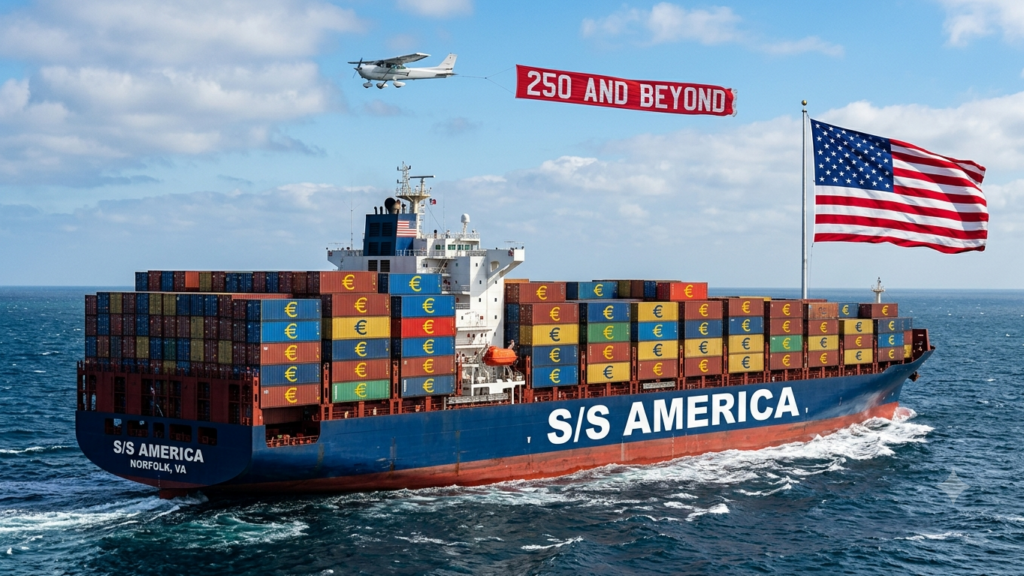
In the choice between thriving capitalism and over-taxed regulatory hell, money speaks louder than Eurocratic political hype.
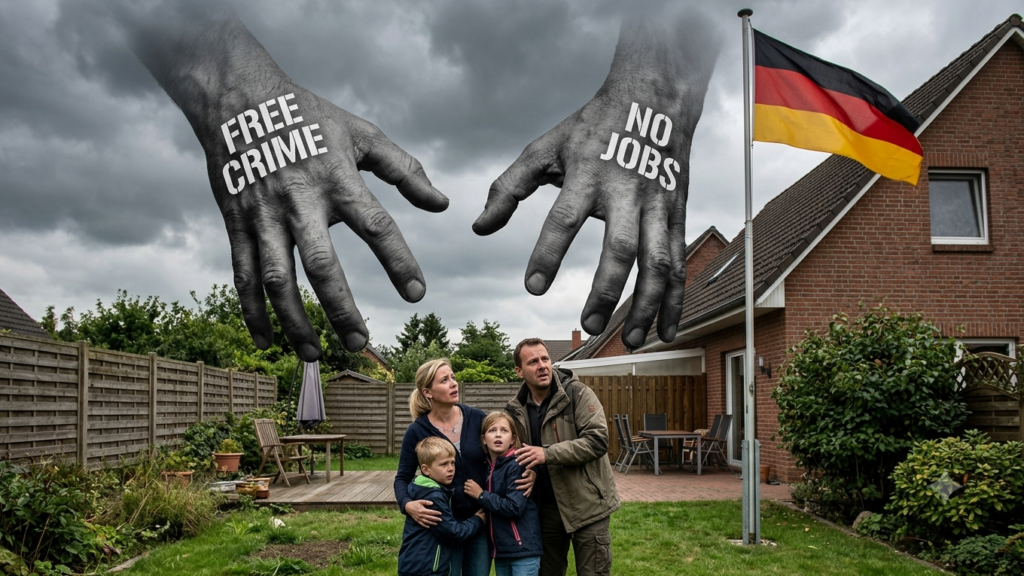
Everyday life has become a pressure cooker. The question is when that pressure cooker is going to blow up, and what forms that explosion will take.
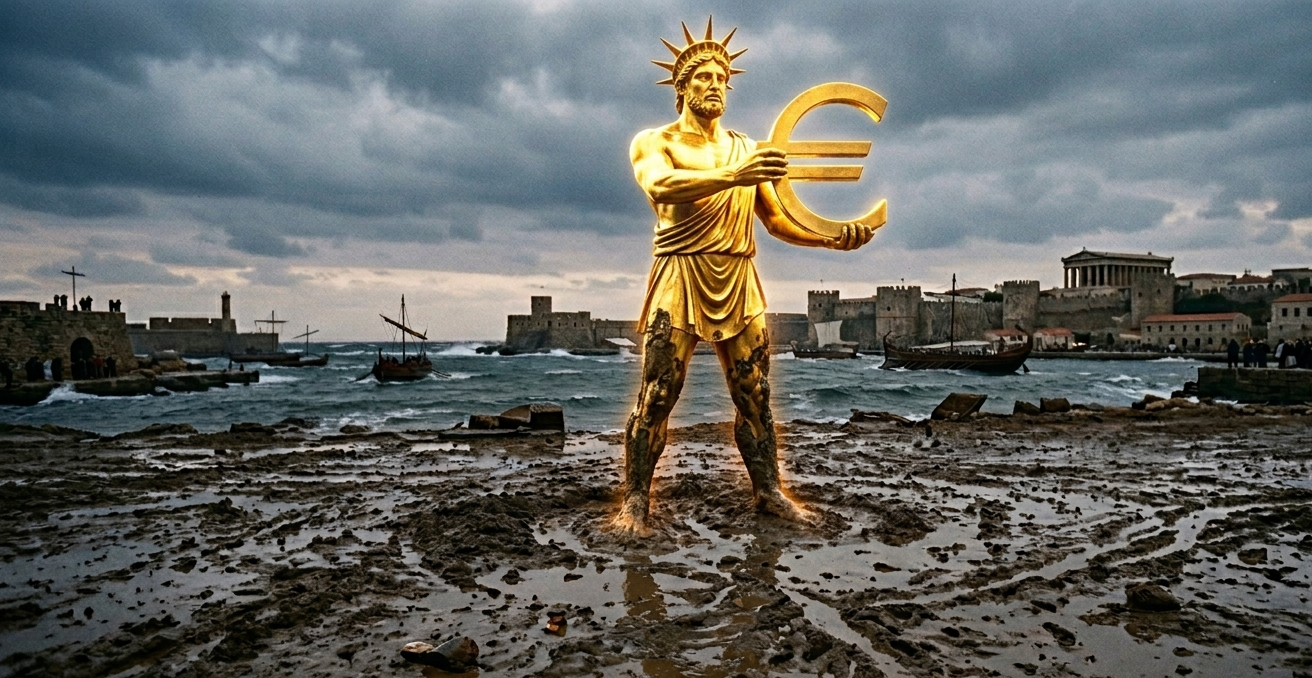
A small increase in the ECB’s policy-setting rates reveals worries about a much bigger threat to the European economy—even to the euro zone itself.

Is the EU really seeking full harmonization of benefits for illegal immigrants and asylum seekers? If so, the consequences for most member states will be fiscally catastrophic.
The European Central Bank’s latest rate hike is built on an inflation forecast that’s likely to prove far too modest.

While the core countries, centered around the French-German-Italian triad, struggle with a stagnant economy, outliers attract business investments and in return get strong GDP growth.
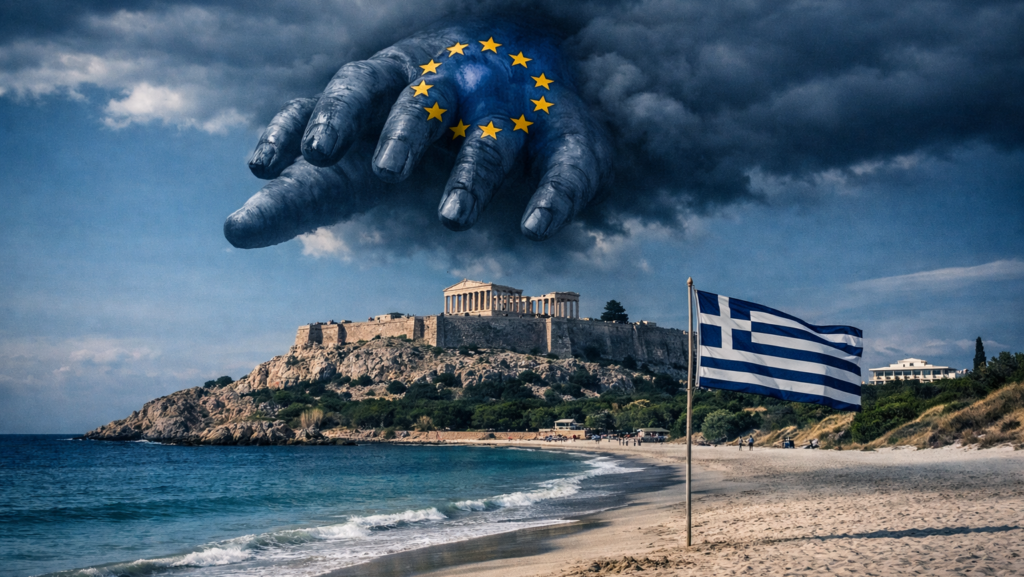
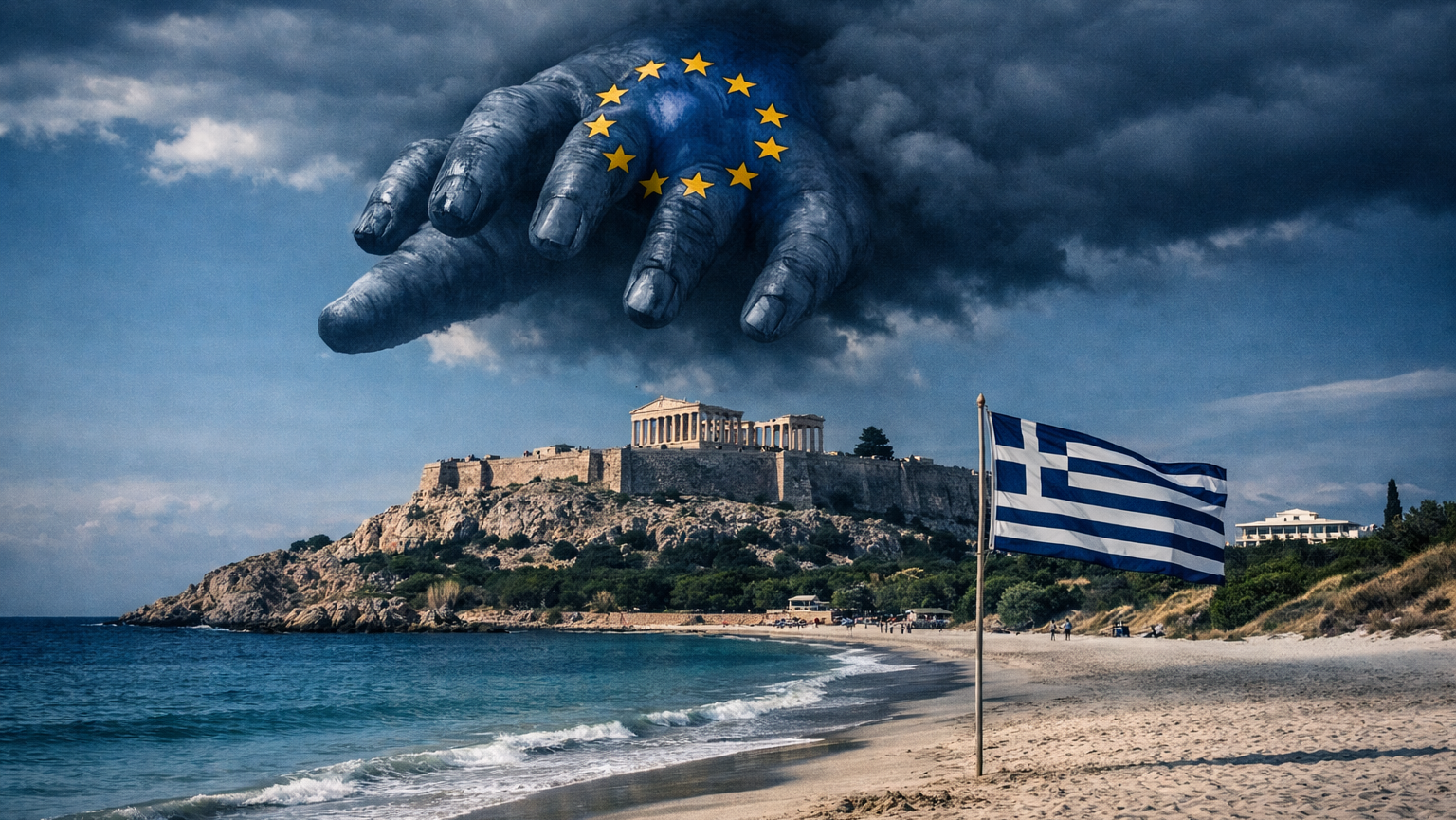
From Greece to Bulgaria, there are faint but promising signs that Brussels may have realized that it cannot whip member states into fiscal compliance.
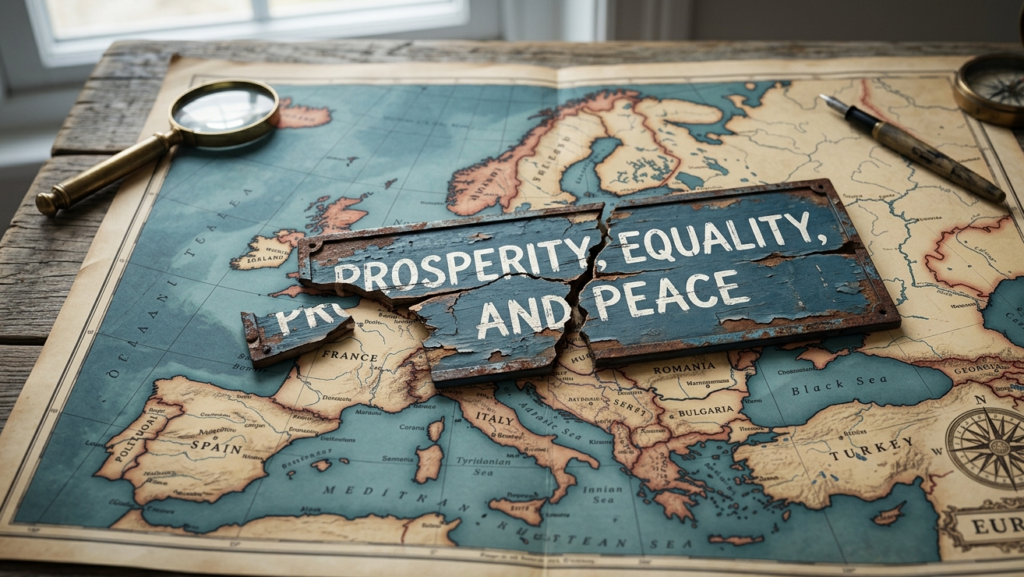
A proposed elder care reform in Germany becomes a stark symbol for the end of the European model. As comfortable middle-class life becomes unattainable, economic stability and political tranquility wither away.
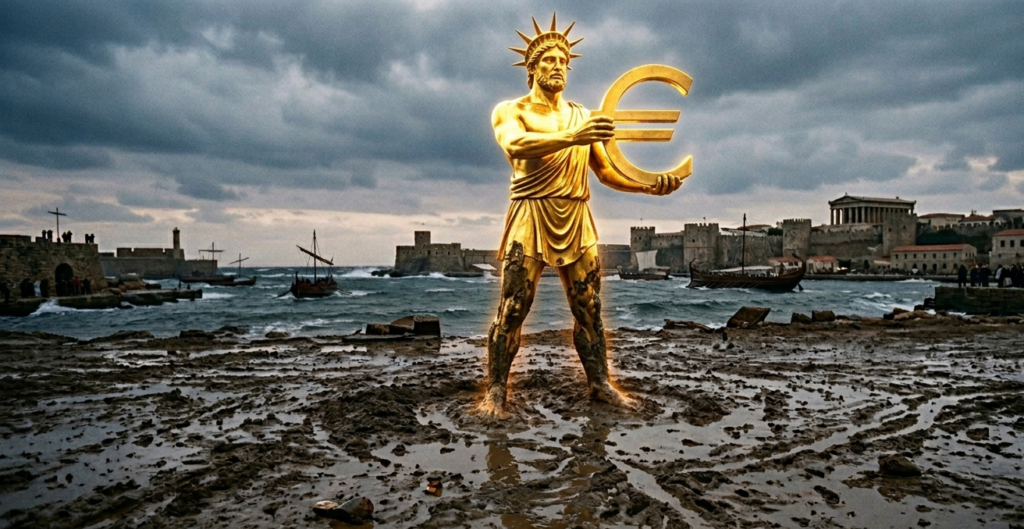
Neither tariffs nor the war in Iran can throw a wrench into Europe’s financial machinery like its home-grown problems can.

Businesses both foreign and domestic are turning their backs on Germany. The nation’s deindustrialization is no longer a fearful forecast—it is stark reality.

A new report lays out a risky path ahead for Budapest—including painful inflation levels not seen since the last energy shock.
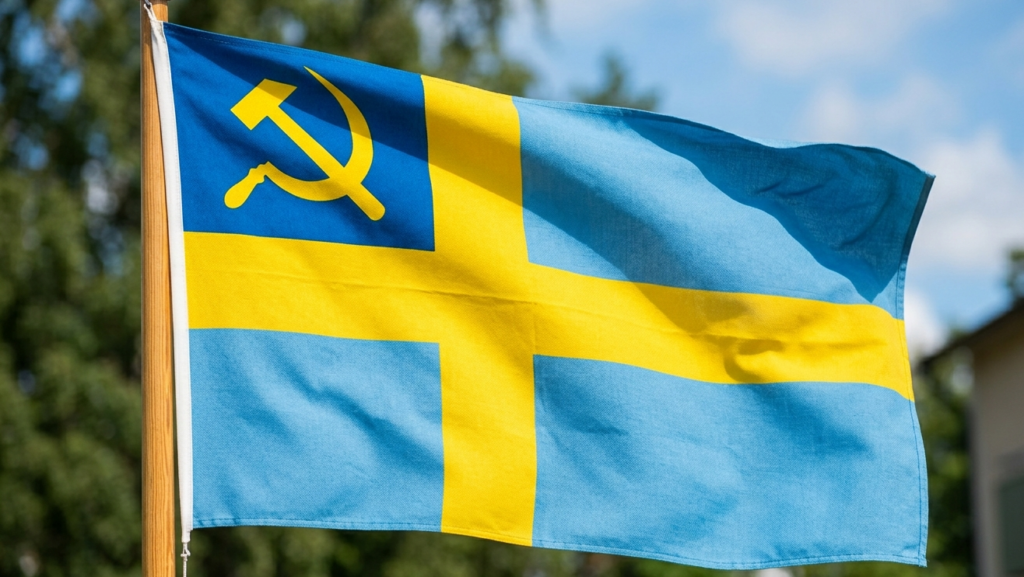
Another wave of media stories tries to portray Sweden as a reborn haven for capitalism. Nothing could be further from the truth.