

Fixing Economic Growth in Europe: The Politics of Permission
The next growth story will belong to places that excel at the basics: abundant energy, flexible work, simple and stable rules, openness to trade and investment.

The next growth story will belong to places that excel at the basics: abundant energy, flexible work, simple and stable rules, openness to trade and investment.
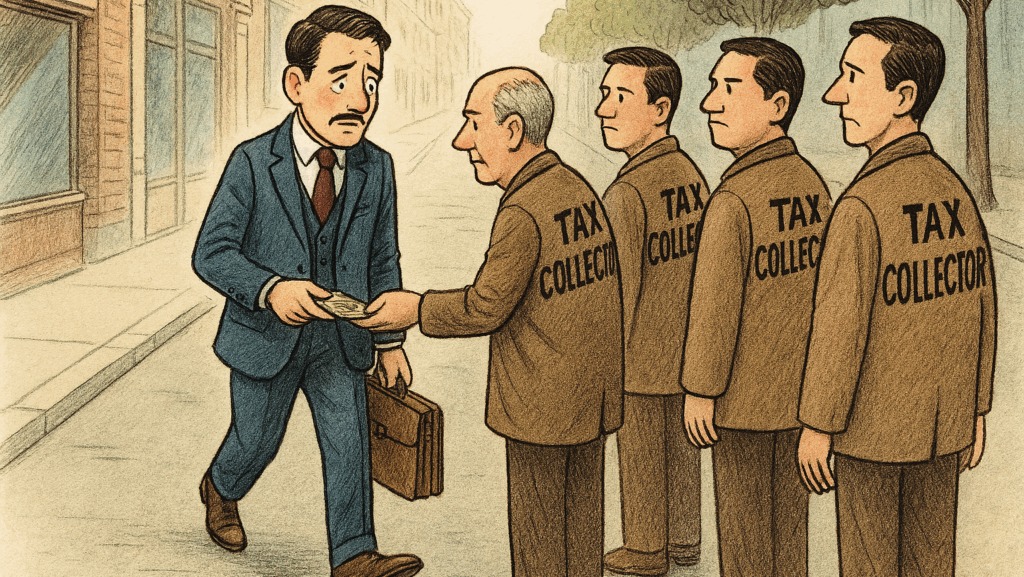
A new levy on high-end wealth looks innocent when it is first introduced. However, a simple experiment shows how destructive the ‘Zucman tax’ really is.
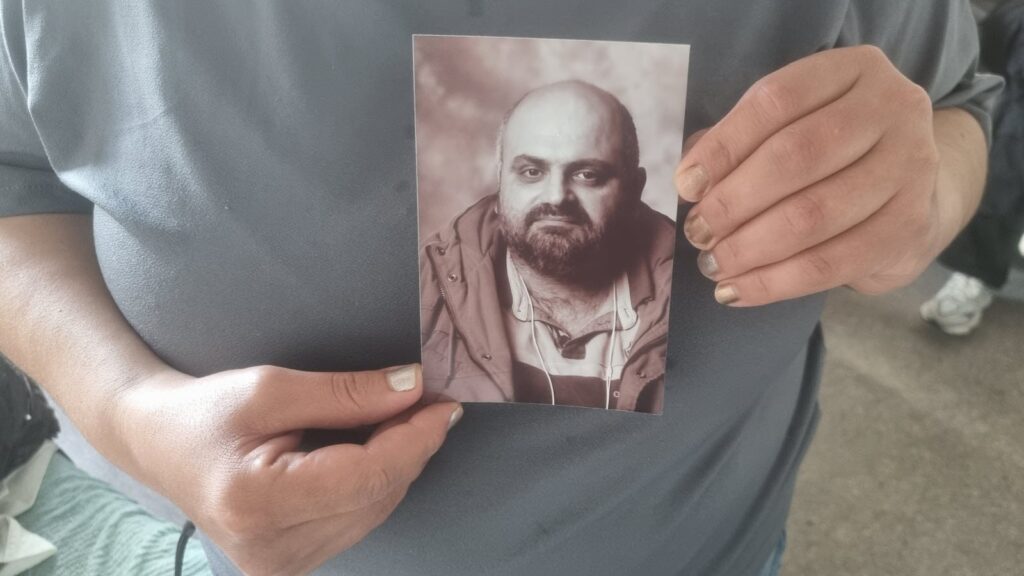
Ashur Sarnaya survived ISIS but was killed in Europe for his faith—raising urgent questions about Christian safety and religious freedom in the West.

The center-right government just proposed a very good budget. Ten years too late.

When the next major fiscal crisis hits, Europe’s credit-challenged governments will pull down the banks with them. A crisis bigger than the one 15 years ago can no longer be ruled out.

The French government is facing the same fiscal crisis as in 2012—but this time, the ECB won’t be able to help them.

The EU is ready to sacrifice competitiveness and credibility on the altar of ideology (again.)
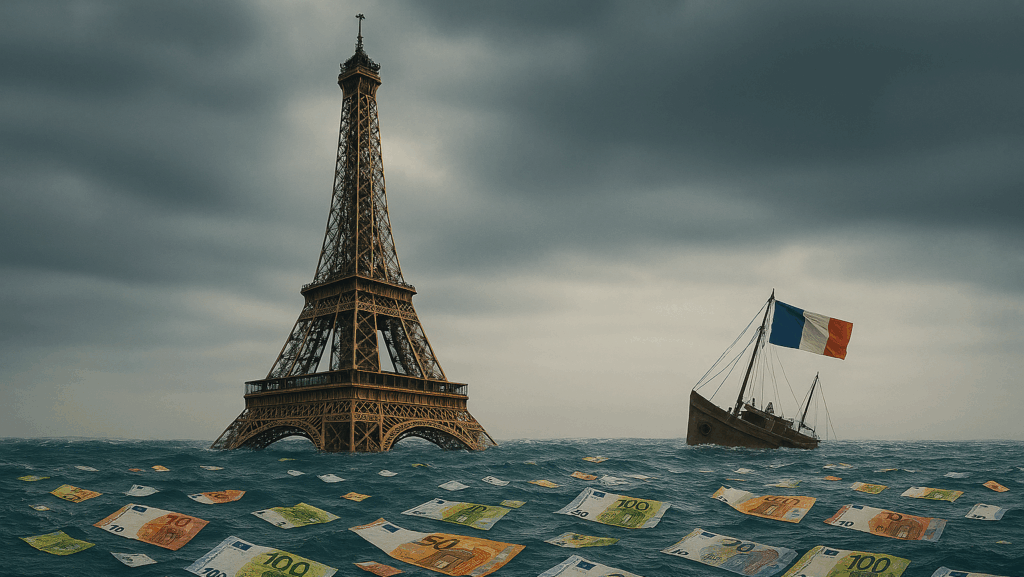
Like a rudderless ship, France is sailing straight for the same cliffs that broke the Greek economy 15 years ago. Will President Macron meet his Waterloo in the hallowed hallways of the IMF?
The Commission’s current course increasingly resembles a centralist, homogenizing project disconnected from reality.

By refusing to dissolve the Assembly, Macron apparently doesn’t want to put an end to the French political crisis he himself created.
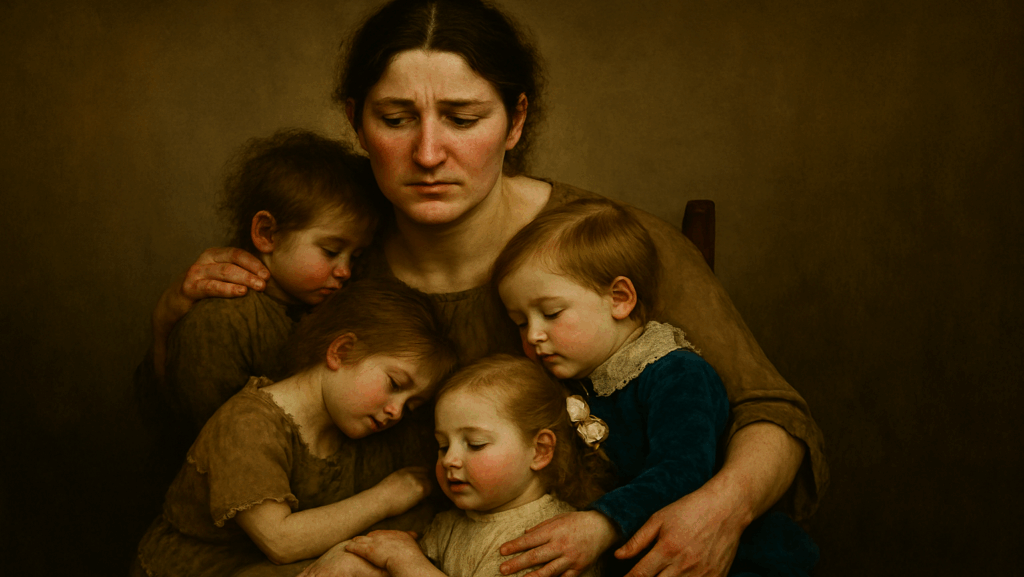
As some countries ramp up social benefits to strengthen emerging welfare states, others are scaling back in a bid to rein in systems that have grown beyond what their tax bases can sustain.
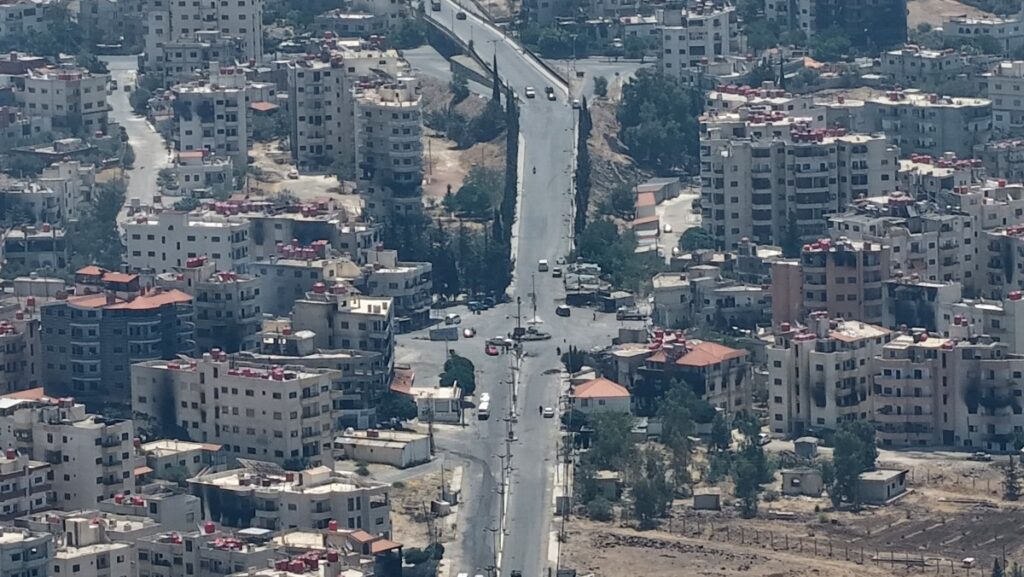
Why is the world so silent in the face of the murdered, persecuted, and starving religious minorities in Syria?

Is the West falling apart? It certainly will if the moral incoherence illustrated in the EU reports succeeds in fully displacing the Judeo-Christian heritage that made the West what it is.
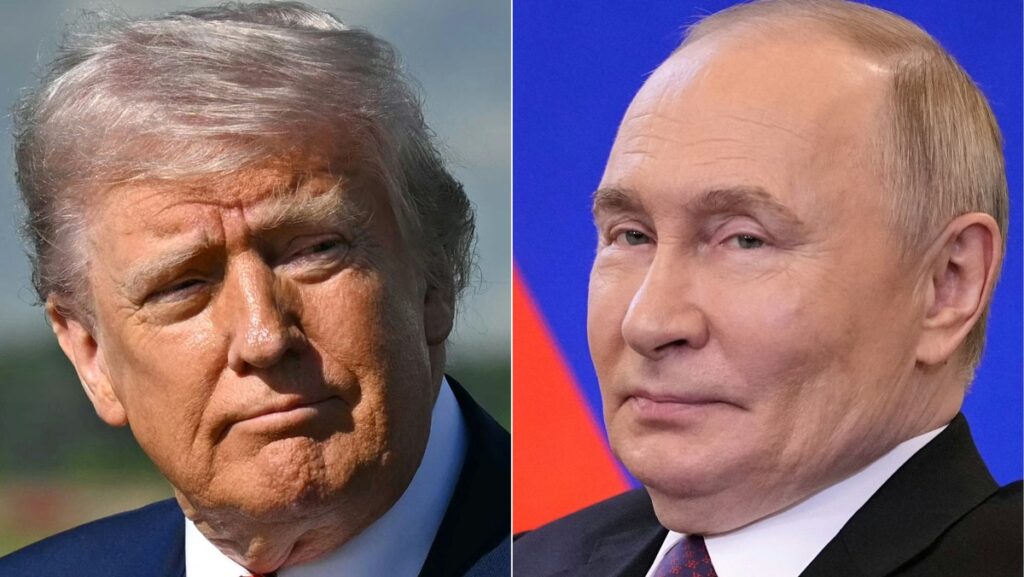
To have a true peace settlement, each side will have to understand the root causes, fears, and experiences of the opposite side.

Christians in Iran are vilified as members of a ‘sect’ and considered a national security threat.

EU’s fiscal documents are written to pay a token gesture to openness while in reality serving as declarations of policy intent.
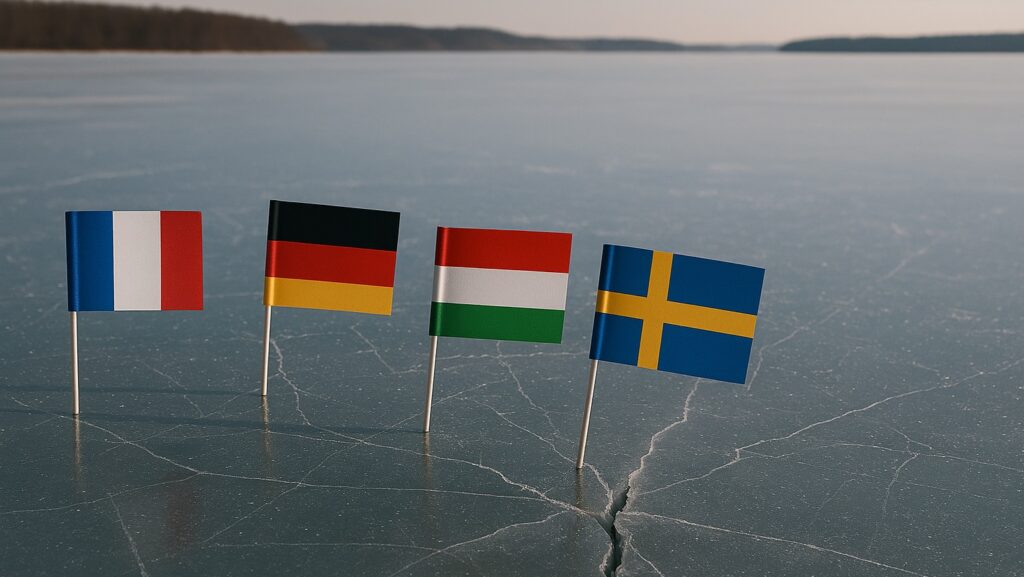
As warnings of a Wall Street ‘correction’ grow louder, some European countries risk following suit. Others are more resilient.
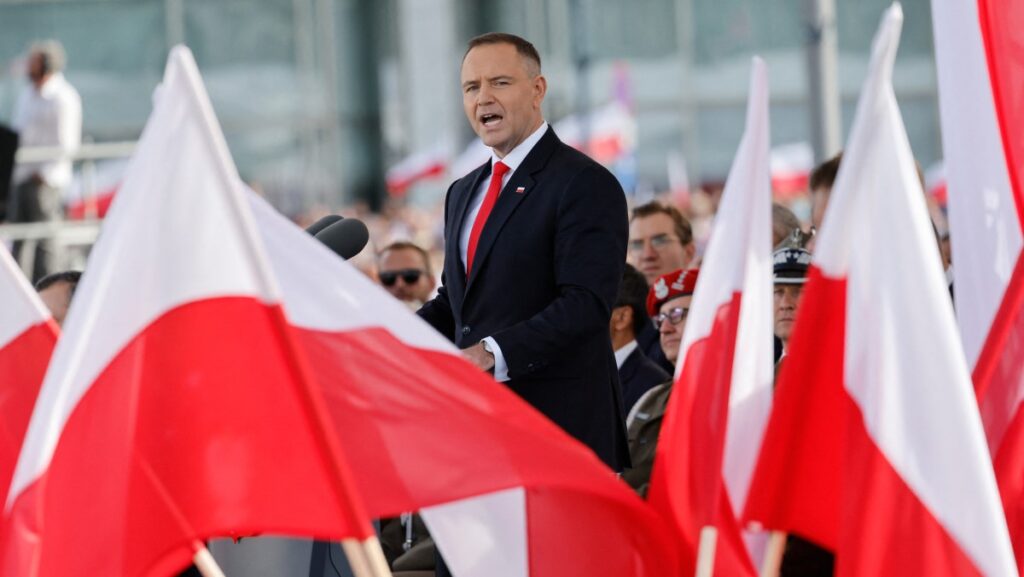
Poles came from all corners of the country to witness what many here are calling “the beginning of the reconstruction.”

Both sides understand that renewing Russian-European dialogue is essential to ensuring the continent’s stability.
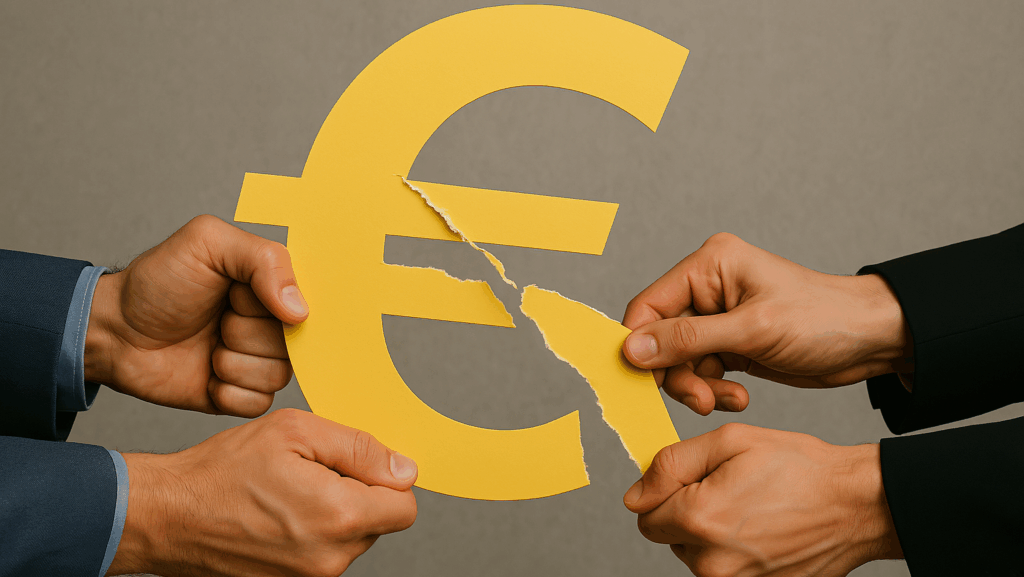
Eurostat says inflation looks calm—but beneath the surface, a worrying split is emerging. Polarized inflation poses a serious challenge for the ECB and an increasingly hands-on Brussels.
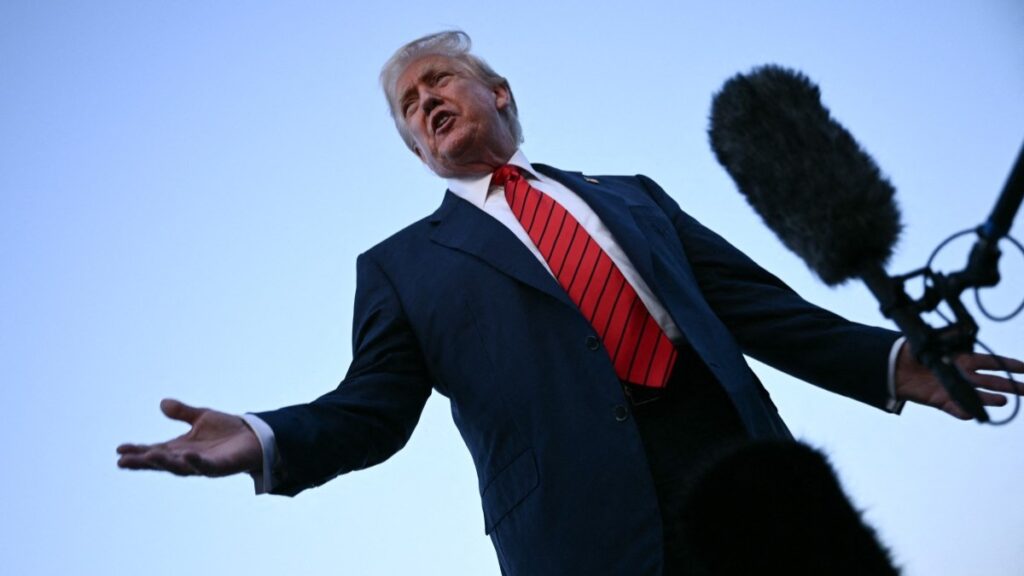
Pressure from the U.S. president to cut interest rates could spark a chain reaction, pushing Europe to follow—and creating a potential equity market bubble.
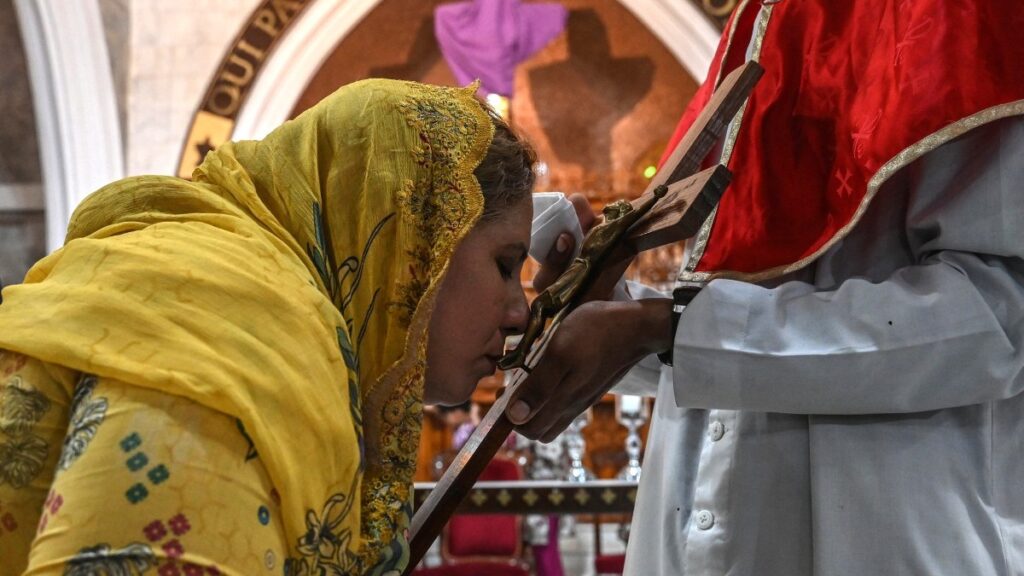
The country’s notorious blasphemy laws are often used to target minority groups, with Christians disproportionately affected.