
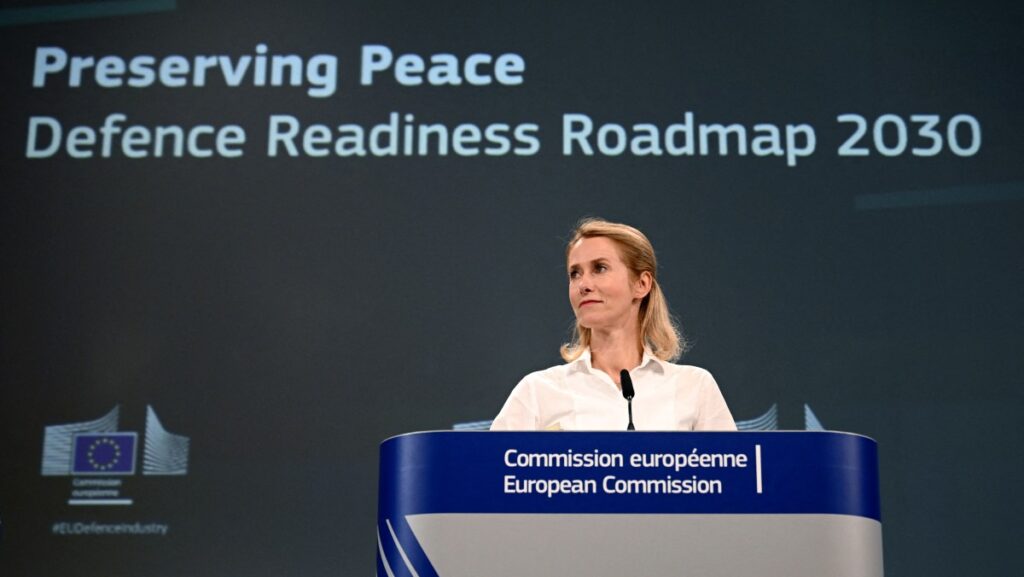
Should Europe Get Ready for War?
Even if you were to quadruple defence spending, if no-one is willing to fight for you, there would be no consequence.

Even if you were to quadruple defence spending, if no-one is willing to fight for you, there would be no consequence.

In a smart debt-management move, the government of Hungary sells treasury securities in China. This sheds new light on European political and economic risk-taking.
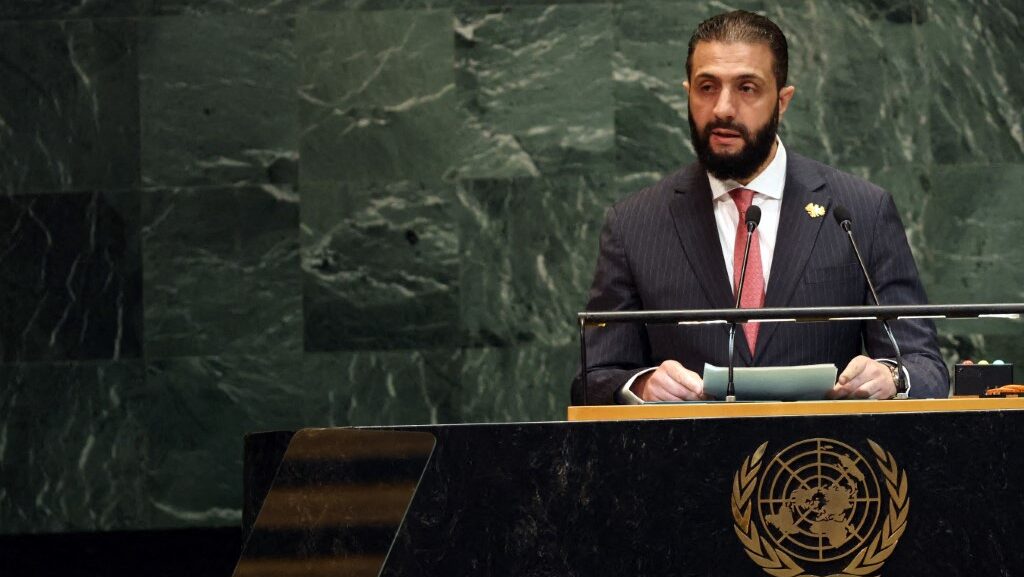
Western heads of state ignore the fact that al-Sharaa’s HTS is classified as a terrorist group by the UN, the EU, and the UK.

The government in Lisbon can brag about having eliminated its budget deficit. How does this benefit the economy—if at all?

Fault lines continue to show themselves in the European Parliament, as the EU finally realises the folly that is its latest iteration of its Green Deal rules.
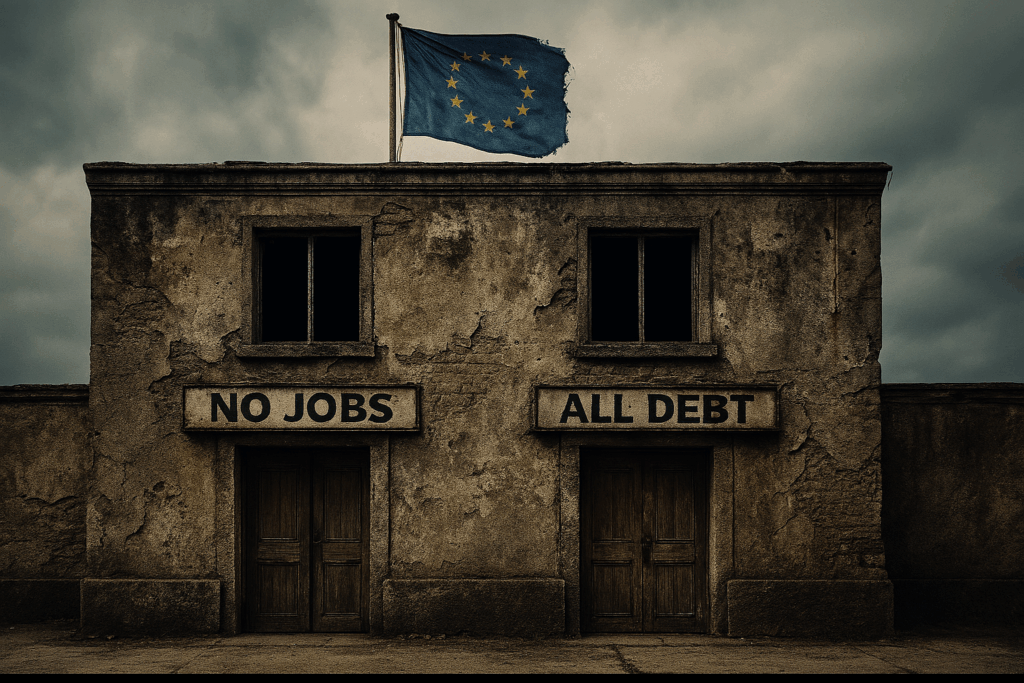
Comparing the market and par values of sovereign debt may seem like a dry exercise, but it reveals critical insights into the European economy.
Brussels has turned compliance into a religion, and small businesses are paying the price.

Prime Minister Orbán recently confirmed that Hungary has no intentions of joining the euro zone. This is one of his best and most consequential policy decisions ever.

Contemporary Vatican abolitionism does not arise from the Gospel or from Catholic Tradition, but from a blend of progressive theology and European political pressure.
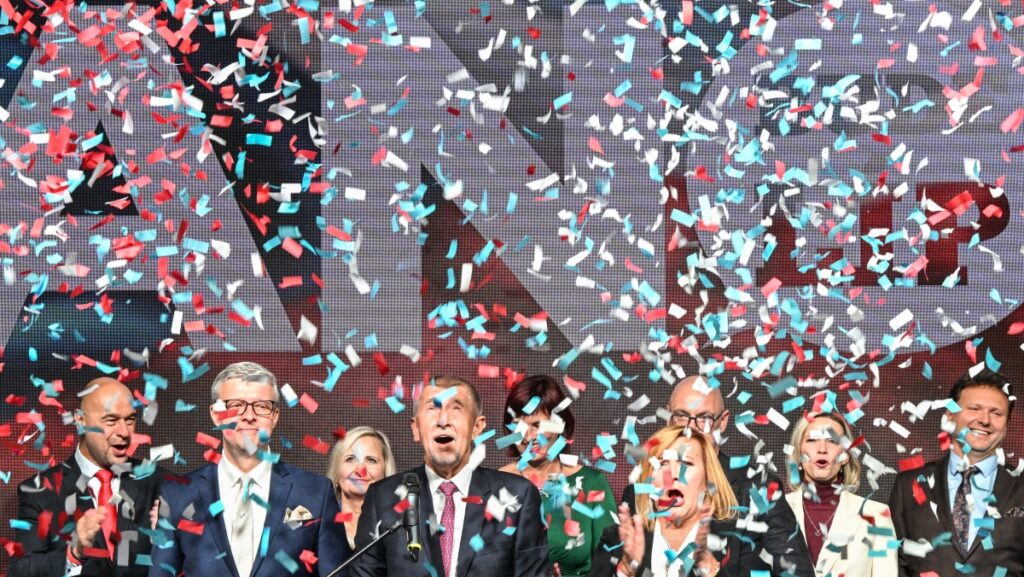
To Hungary, Slovakia, and Czechia, the buzzwords of ‘European unity’ ring thin if they risk leading the continent further into a war whose front is so close to themselves.

The EU is ready to sacrifice competitiveness and credibility on the altar of ideology (again.)
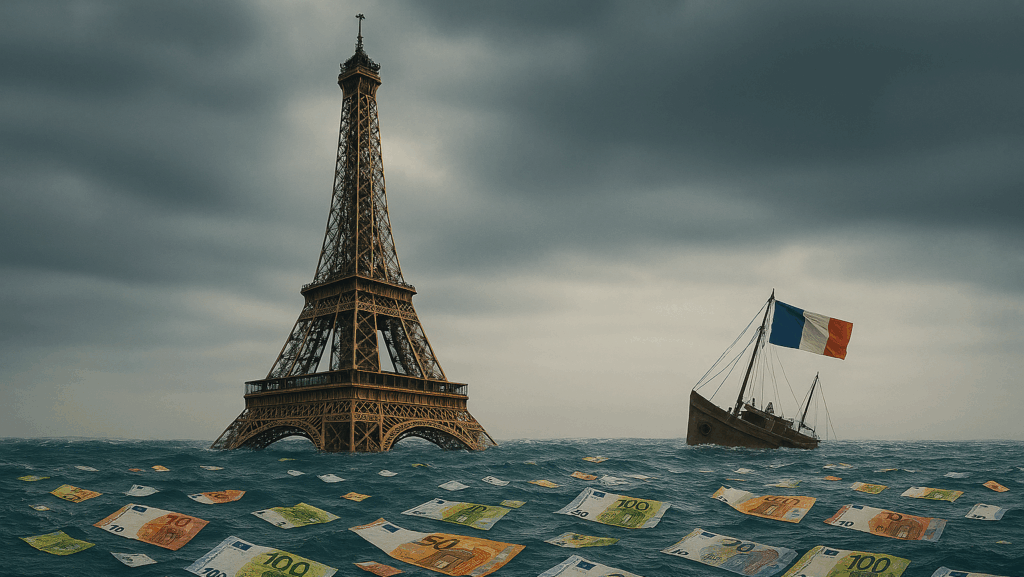
Like a rudderless ship, France is sailing straight for the same cliffs that broke the Greek economy 15 years ago. Will President Macron meet his Waterloo in the hallowed hallways of the IMF?
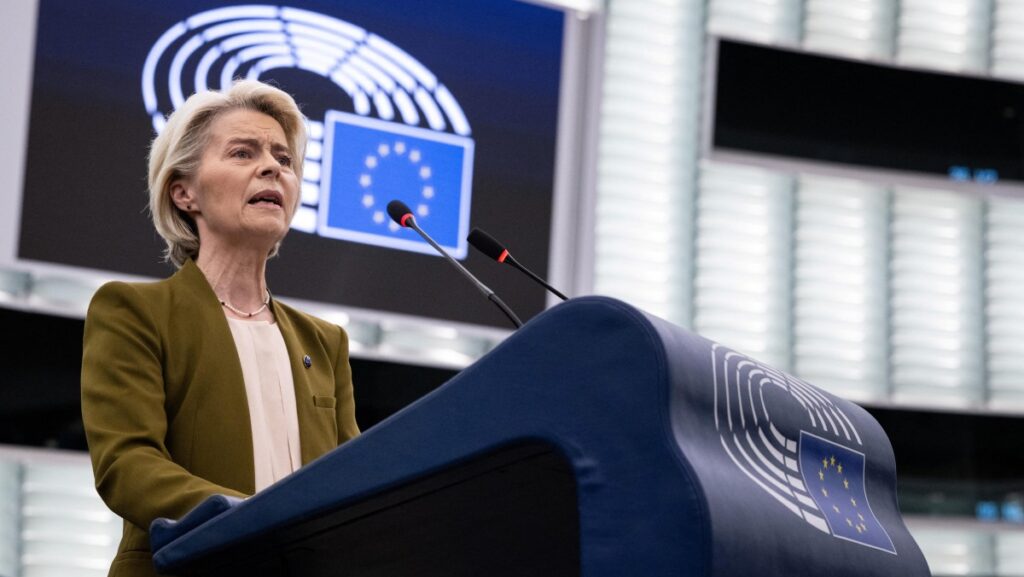
The Commission’s current course increasingly resembles a centralist, homogenizing project disconnected from reality.

By refusing to dissolve the Assembly, Macron apparently doesn’t want to put an end to the French political crisis he himself created.
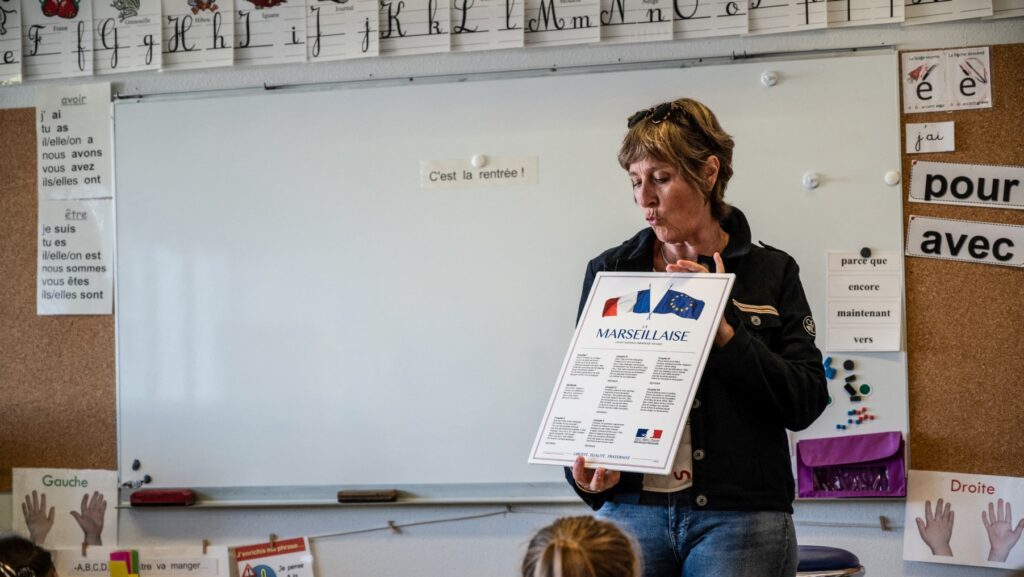
For the first time, voices are rising to expose the real culprits behind the collapse of the French national education system.

Europe could once again become attractive by presenting itself as a civilization capable of uniting prosperity and dignity.
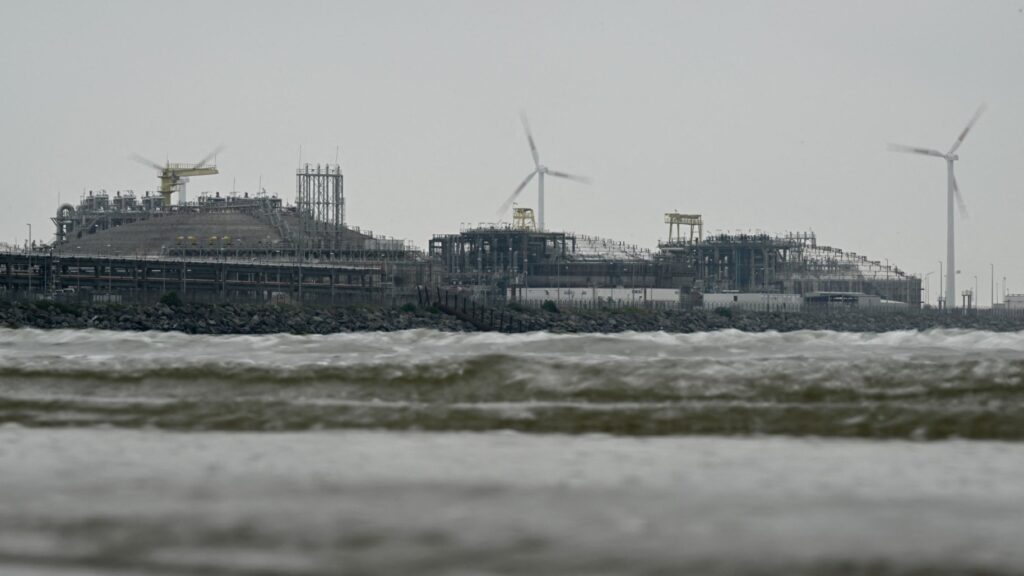
While the EU is pivoting to American LNG, the switch comes with a price premium and security of supply concerns.
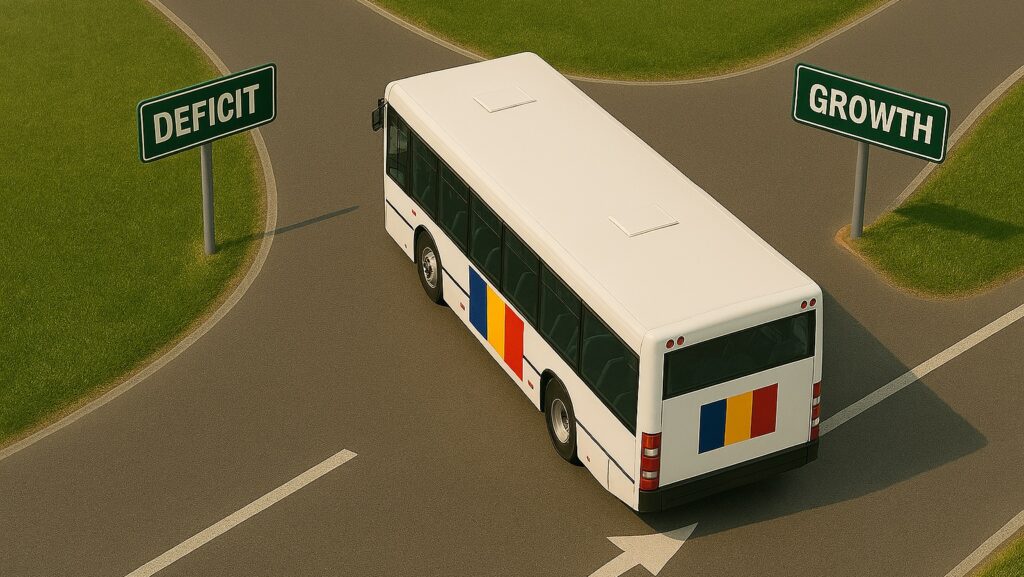
Facing a major budget gap, Bucharest must choose: fix the deficit or launch a broader economic rescue. So far, Prime Minister Bolojan has shown little leadership to do either.
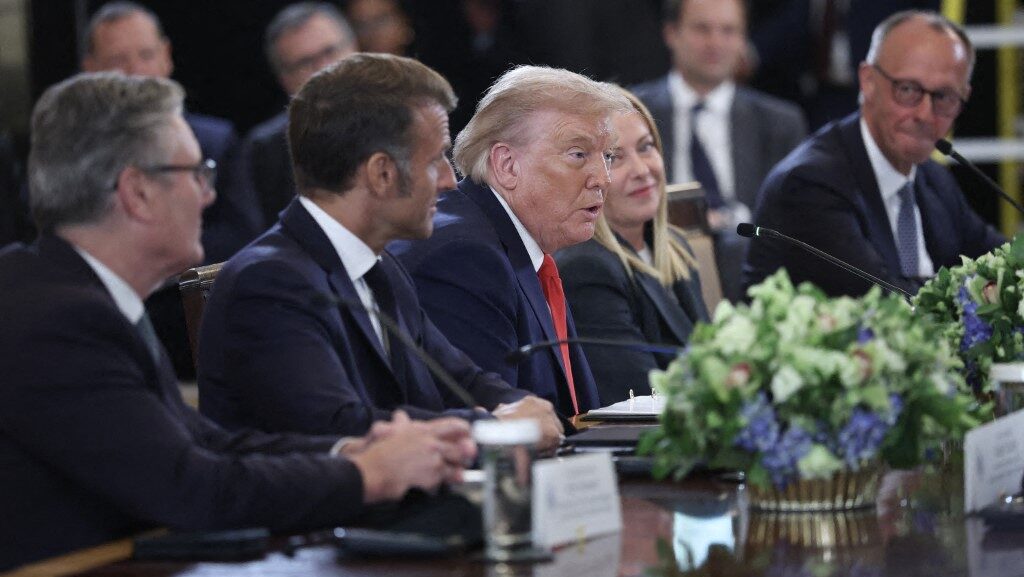
Europe’s best move would be to stop resisting Trump, admit it can’t shoulder Ukraine alone, and push for a bitter but necessary negotiated peace over endless war.

Slovakia faces the same budget dilemma as Germany. Whether Prime Minister Fico will match Chancellor Merz’s bold move to announce an end to the welfare state remains to be seen.

The Polish head of state’s first moves are not mere partisan sparring—they are about addressing the structural defects within the state.

The tariff negotiations offer the EU a vital opportunity to pursue a fundamental change of direction.