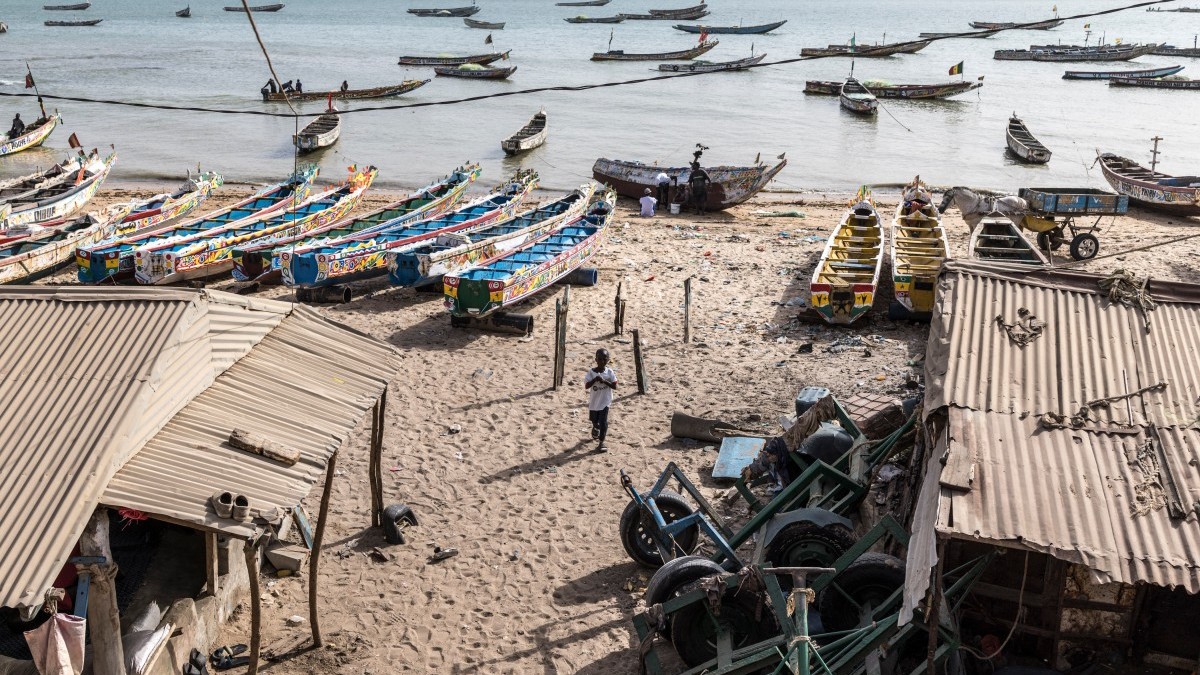


The bloc is increasingly treating foreign aid as a tool of political pressure, especially toward countries that refuse to side clearly with the West.
The case highlights growing tension between Brussels’ privacy rhetoric and the EU’s expanding security apparatus.
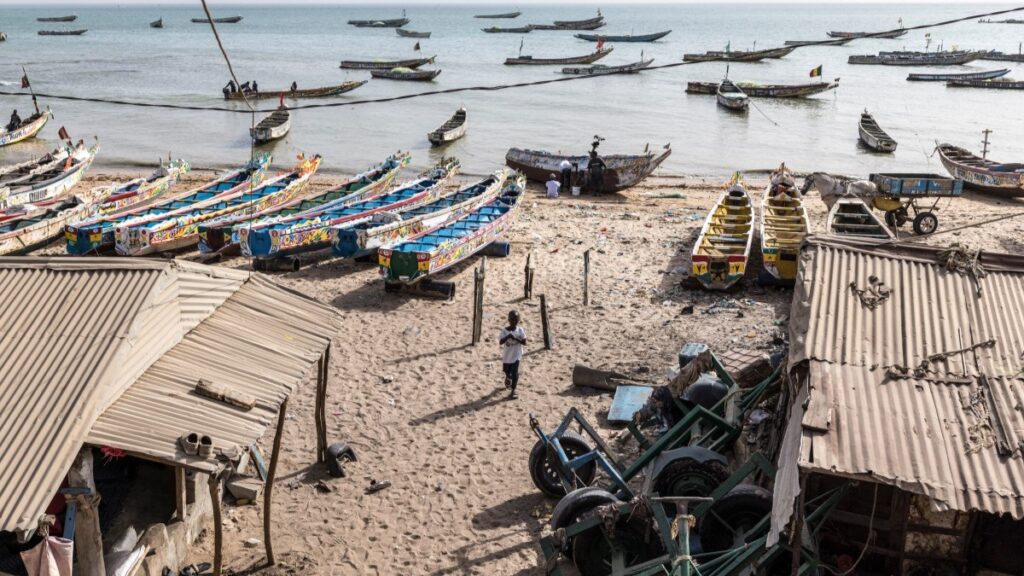
While Frontex reports a 40% fall in detected irregular crossings at EU borders, overall immigration continues unabated, with legal pathways expanding and smuggling networks rapidly shifting to new entry points.
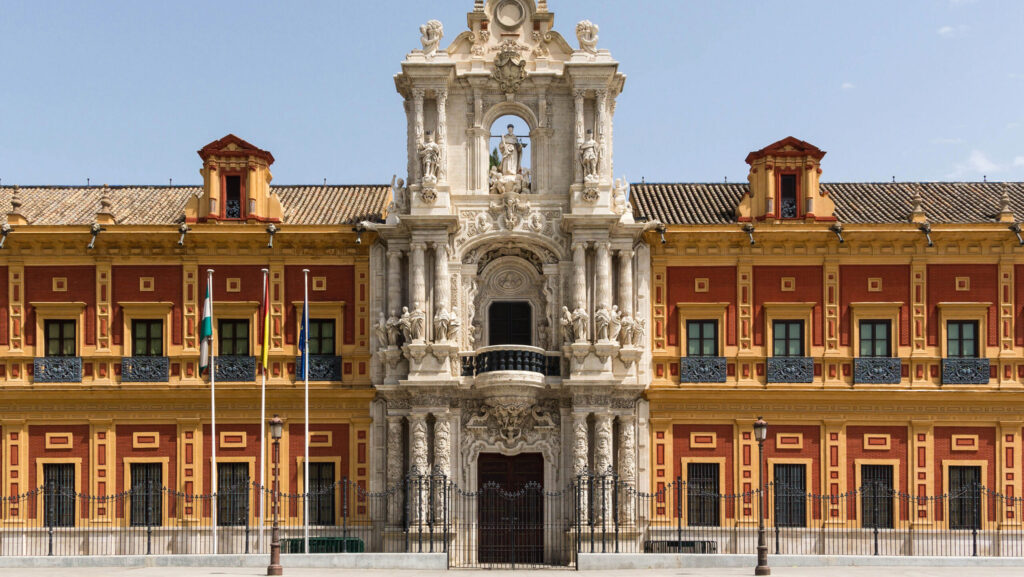
VOX barely increased its vote share in Andalusia, but the PP’s loss of its majority has given the nationalist party far greater influence over the region’s next government.
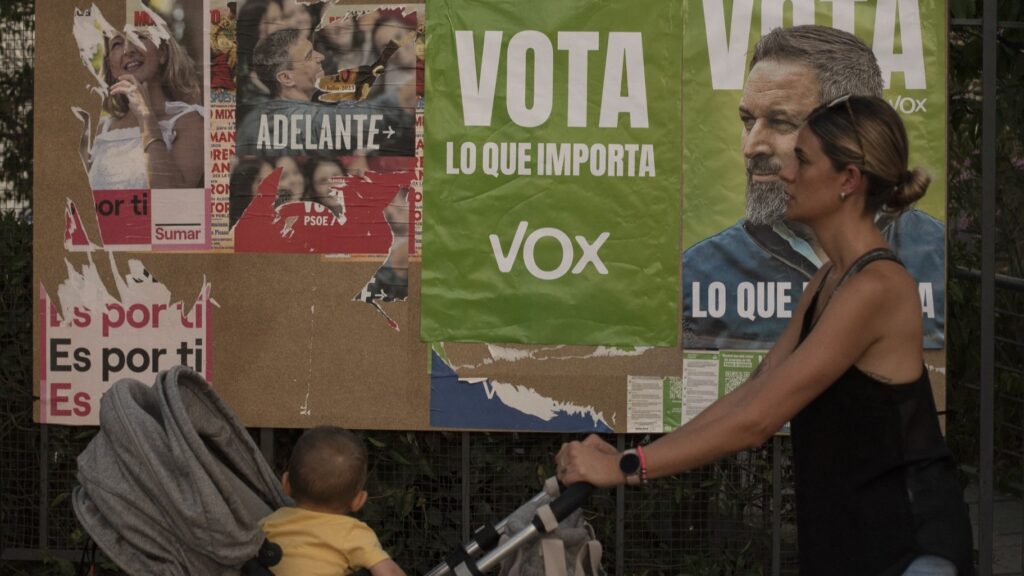
People’s Party candidate Juanma Moreno is the favourite, but Sunday’s elections will determine whether his “Andalusian way” will maintain an absolute majority or whether he will once again depend on VOX.
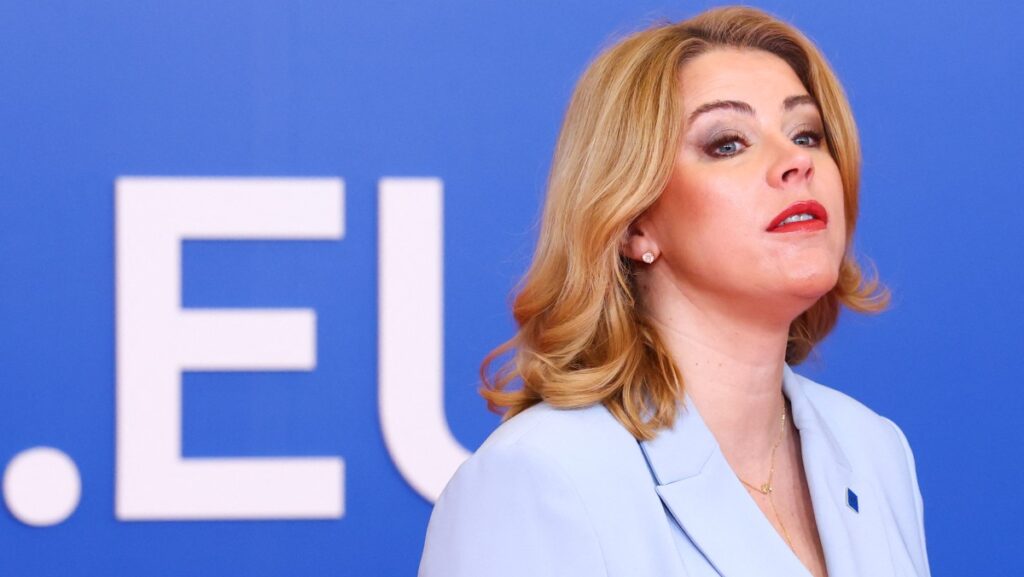
The fall of Evika Siliņa’s government does not alter the strategic line toward Ukraine, but it introduces political uncertainty at a sensitive moment and creates space for patriotic Latvia First.
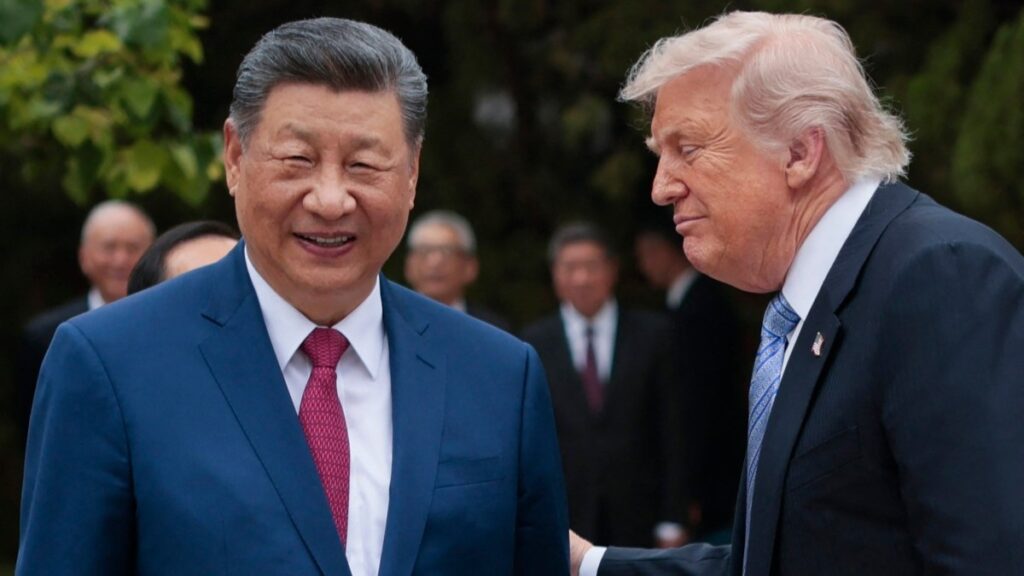
Europe’s main concern is not Taiwan or Iran, but a potential agreement on critical minerals and market access between China and the United States.
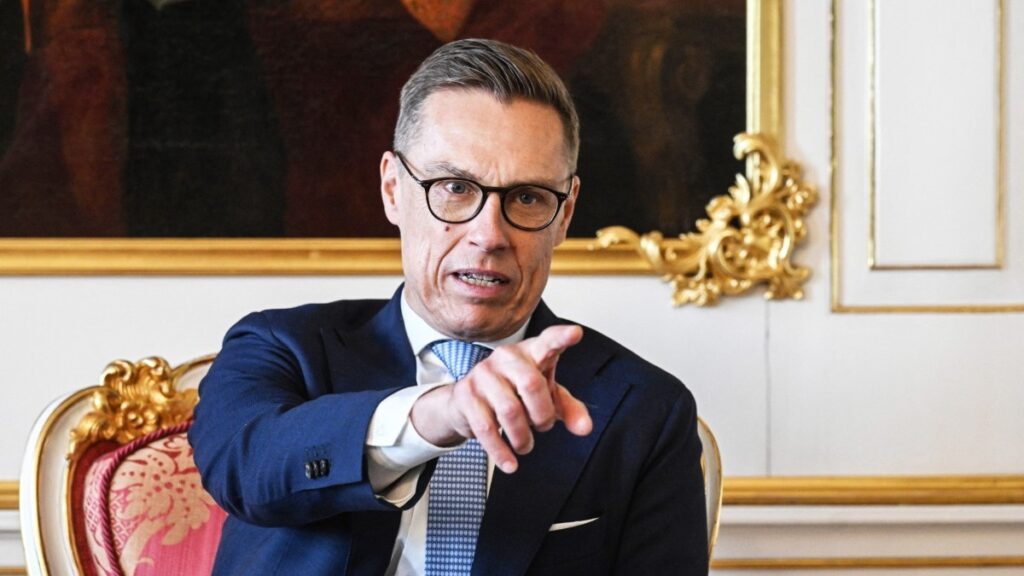
Alexander Stubb said it is unlikely Moscow would directly test NATO’s Article 5.
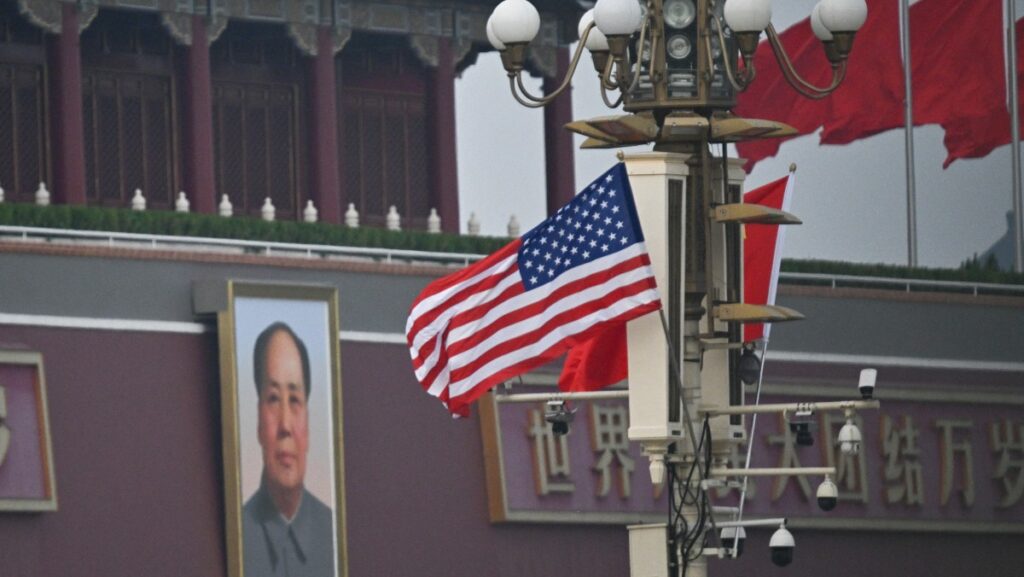
Brussels has spent years talking about “strategic autonomy,” but the Trump–Xi summit may expose just how dependent Europe still is on foreign powers.

The Commission seeking the help of the Islamist regime exposes the strategic contradictions of European foreign and migration policy.
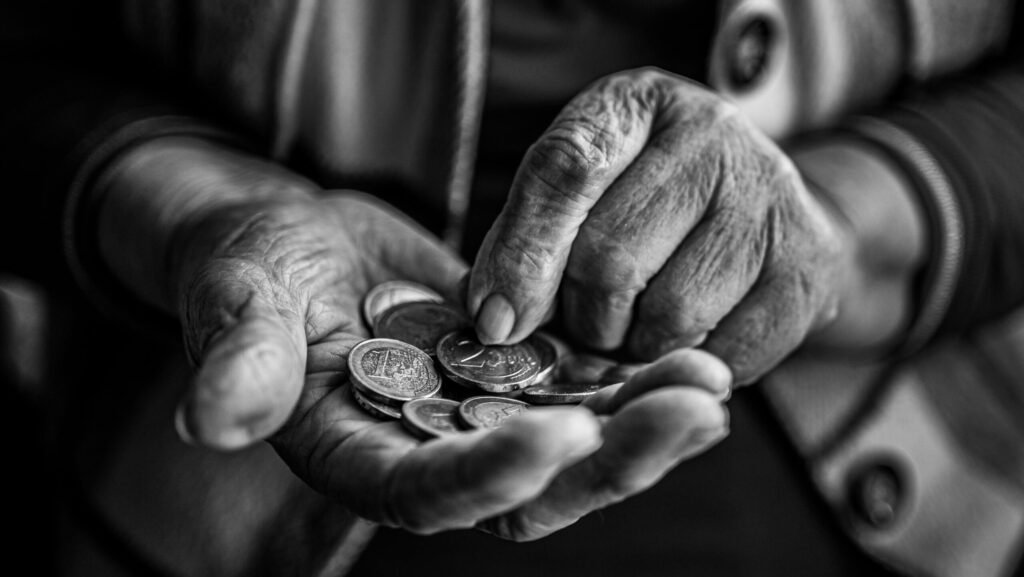
German media, EU lawmakers, and taxpayer groups are demanding answers after reports claimed Spain redirected billions in post-COVID recovery funds into pensions and welfare spending.
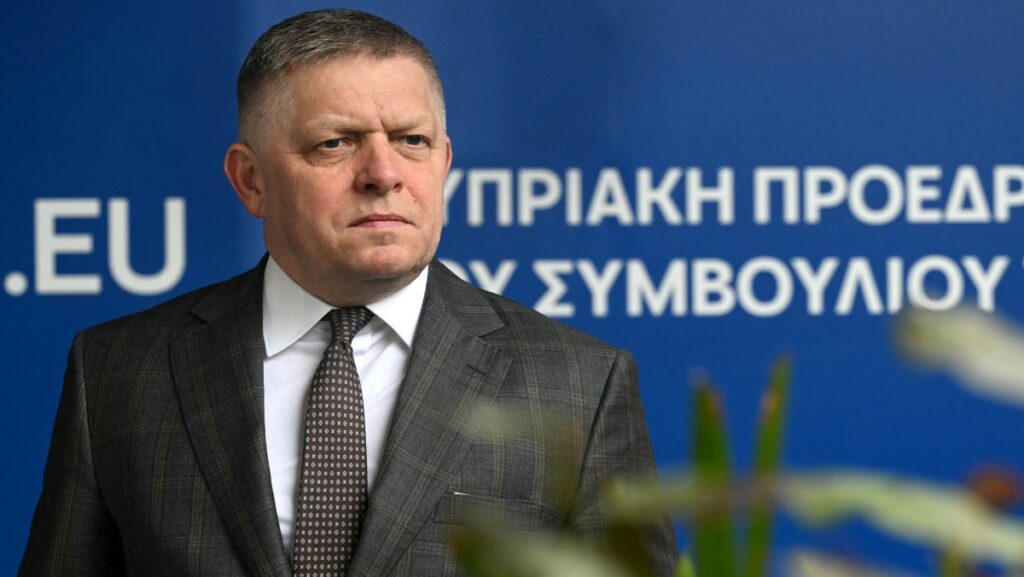
The Slovak prime minister says Brussels is forcing smaller EU states to cut Russian energy ties while Western Europe continues importing Russian LNG.